Choose a zoo visit or a guided forest walk
Visit a zoo if you want to learn about India’s monkeys through a named collection, or choose an official guided forest walk if you want time in wild habitat. Keep your distance, leave the animals unfed and plan a visit you would still enjoy without a monkey sighting.
New Delhi’s National Zoological Park lists rhesus macaque and an animal it calls Common Langur. Sri Chamarajendra Zoological Gardens, usually called Mysuru Zoo, has historical records of a lion-tailed macaque. Those sources serve different purposes. Delhi’s public list tells you which names the zoo uses for its collection, while the Mysuru archive documents an animal held there in the past. Ask the zoo directly about current public viewing if a particular animal is central to the trip.
| Venue | Entry or programme | Current published figure | Scope or timing |
|---|---|---|---|
| New Delhi · National Zoological Park | Regular closure | Friday | Both published seasons |
| New Delhi · National Zoological Park | Winter hours | 9 a.m.–5 p.m. | 16 October–31 March, booking closes 4:30 p.m. |
| New Delhi · National Zoological Park | Summer hours | 8:30 a.m.–5:30 p.m. | 1 April–15 October, booking closes 5 p.m. |
| New Delhi · National Zoological Park | Normal admission | ₹80 adult · ₹40 ages 5–12 | ₹40 ages 60+; confirm age-five categorization at booking |
| New Delhi · National Zoological Park | SAARC foreign admission | ₹200 adult · ₹100 ages 5–12 | Up to five listed as free; confirm age-five categorization |
| New Delhi · National Zoological Park | Other foreign admission | ₹400 adult · ₹200 ages 5–12 | Up to five listed as free; confirm age-five categorization |
| Mysuru Zoo | Hours and closure | 8:30 a.m.–5:30 p.m. | Tuesday closure |
| Mysuru Zoo | Zoo-only admission | ₹120 adult · ₹60 ages 5–12 | Under five free; Karanji Lake combination separate |
| Periyar Tiger Reserve | Nature Walk | Guided forest programme | Never feed wild animals during the activity |
Periyar Tiger Reserve’s Nature Walk is a different kind of outing. The reserve publishes it as a forest programme and asks participants to refrain from feeding wild animals. The activity gives you a reason to visit even when the animals you hoped for stay out of view. Consider whether everyone in the group would enjoy the walk itself, then check the operator’s current instructions before making it part of your itinerary.
Recognise the names you will encounter
The Zoological Survey of India’s 2025 mammal checklist recognises the rhesus macaque (Macaca mulatta), bonnet macaque (Macaca radiata) and lion-tailed macaque (Macaca silenus). It also treats langurs as separate taxa. These names give you a way to look up the animal on a zoo sign or in a natural history reference. A sighting identified only as a monkey can stay at that level if you lack the details for a more precise identification.
Rhesus macaque is one name you can place geographically from official wildlife records. The national checklist describes its distribution in northern and northeastern India, and Delhi’s Wildlife Wing includes it among the capital region’s mammals. Use the regional record as context for an encounter in Delhi. Where an animal has been recorded and whether you will see one during a particular outing are separate questions.
Keep a collection label in its original context. If your notes say “Common Langur” after a visit to the National Zoological Park, you can record it as the zoo’s label. Applying that label to a photograph taken elsewhere requires more evidence. A distant view or a single frame may leave too little detail for a confident identification, even when you know the region and can narrow the possibilities.
You can still keep a useful record of a brief encounter. Describe what you actually saw and mark the species as uncertain. If you consult a reference later, look for the scientific name associated with any common name you were given. That keeps a name heard in conversation from becoming a firm identification simply because it sounds familiar.
Visit the National Zoological Park in New Delhi
Start with the National Zoological Park’s mammal list if rhesus macaques or langurs are a particular interest. For the day itself, read the zoo’s visitor regulations and use staff directions once inside. A collection inventory can help you decide whether the zoo fits your interests. Individual animals may be out of view, so build in time to look around the rest of the zoo and read the interpretation at enclosures you can visit.
The zoo publishes section 38J of India’s Wild Life (Protection) Act in its visitor regulations. The section covers feeding, teasing, harming or disturbing zoo animals and littering the grounds. In practice, stay on the public side of barriers, give the animals space and keep voices down. If something has fallen into an enclosure or you see an incident, speak to staff from the visitor area and let them handle it.
The Central Zoo Authority asks visitors to refrain from taking plastic bags with food into zoos and explains that they may miss some animals. Check the Delhi zoo’s current entry instructions before packing for the day. For a group with children, it helps to say before arrival that the animals may be hidden and that calling or offering food to bring them forward would disturb them.
If an enclosure is quiet when you arrive, you can read its sign and continue along the public route. Ask a staff member about current viewing arrangements if you have limited time or need to plan how much walking the group can manage. A staff answer about that day’s arrangements is more useful for those decisions than the collection list.
The Delhi tariff lists 9 a.m. to 5 p.m. from 16 October through 31 March, with ticket booking closing at 4:30 p.m. From 1 April through 15 October it lists 8:30 a.m. to 5:30 p.m., with booking ending at 5 p.m. Friday is the regular closure day. The site publishes ordinary, SAARC visitor and other foreign visitor tickets under different headings. Budget against the category that applies to the whole group. The optional battery vehicle has a separate price.
Things to do in Delhi: one, two and three-day itinerariesWhere to stay in Delhi, hotel areas and airport or railway access
Plan a Mysuru Zoo visit around hours and ticket categories
Sri Chamarajendra Zoological Gardens publishes a Tuesday closure and visiting hours of 08:30–17:30 on other days. Its ordinary zoo tariff lists ₹120 for adults, ₹60 for children aged five to twelve and free admission for children under five. The operator lists the Zoo and Karanji Lake combination and camera charges in separate rows. Check the row for what you intend to buy, especially when comparing figures quoted by different travel guides.
For two adults visiting with children aged four and nine, ordinary zoo admission comes to ₹300 at those rates. The two adults account for ₹240 and the nine-year-old adds ₹60. The four-year-old falls into the free category. Use that arithmetic only for ordinary admission. If the group also wants Karanji Lake or plans to bring a camera, consult the corresponding rows before deciding what to budget.
Reopen the operator’s visitor times and tariffs page close to your visit. Check the opening day first, since a Tuesday closure can change which day works for the rest of your Mysuru plans. The published closing time gives you the end of the visiting window. If you expect to arrive late, ask the zoo when admission ends before relying on that window.
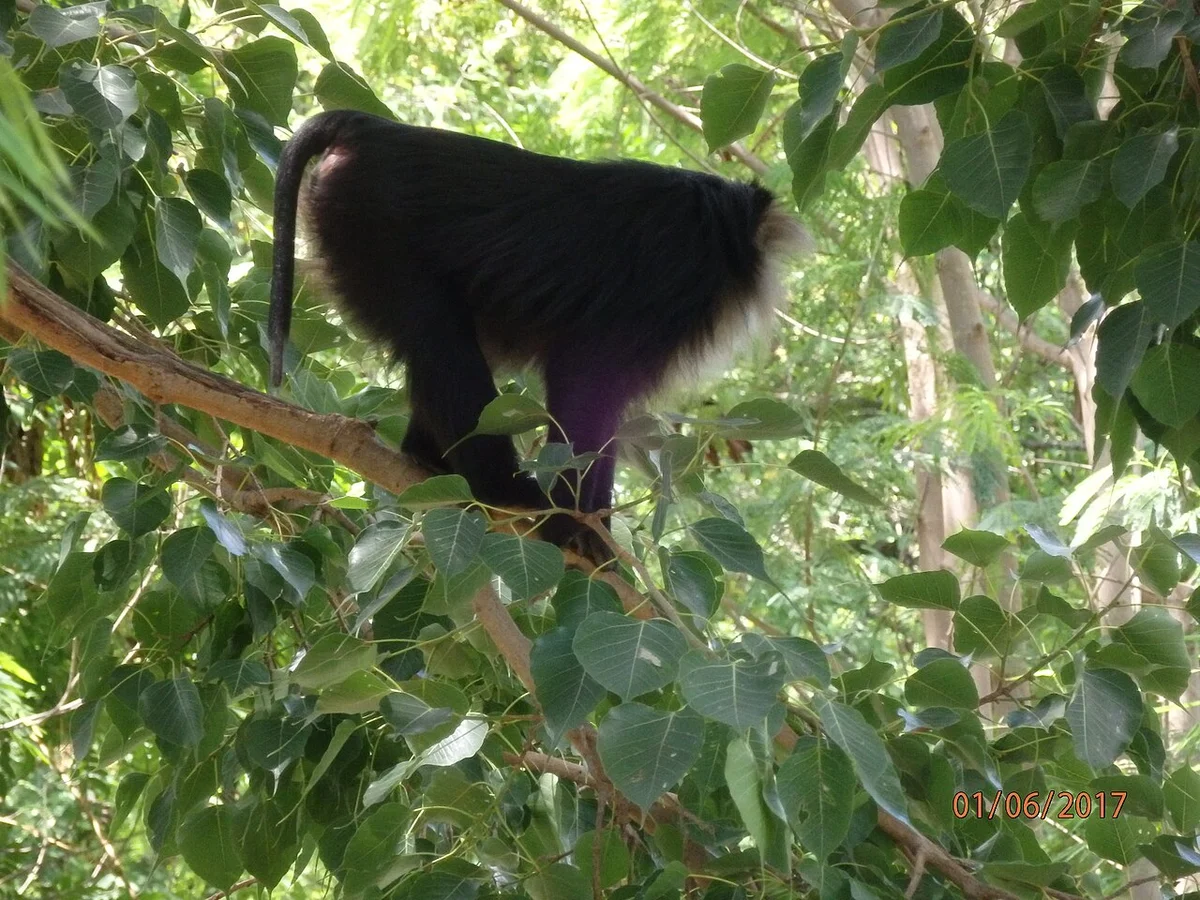
Mysuru Zoo’s archived inventory records a lion-tailed macaque. That is a useful lead for someone interested in the species and the zoo’s collection history. Before arranging a day around seeing the animal, ask the zoo about current public display. A visit timed to the published hours can give you time for the exhibits, while animal visibility remains a separate question.
For two adults and one child aged eight, the published ordinary Mysuru admission figures total ₹300. Under the Delhi normal tariff, the corresponding total is ₹200. Under Delhi’s foreign visitor tariff other than SAARC, two adults and one child in that age band would total ₹1,000. Use the venue name and category when you share a budget so that everyone can check which figures went into it.
Follow Periyar’s Nature Walk instructions
Use Periyar Tiger Reserve’s official Nature Walk programme page as the starting point for a forest visit. It establishes that the reserve offers a guided activity and asks visitors to leave wild animals unfed. Check the current arrangements with the operator for the day you intend to go. Confirm how to join, where to report and what the activity requires of participants before committing transport or fitting the walk between other plans.
The decision to book should turn on whether the walk suits your group. If someone can manage a short zoo visit with breaks but is unsure about a group walk, ask the programme operator about the current route’s walking demands and opportunities to pause. The operator can tell you which details apply to the scheduled activity. Make the choice using that answer and the group’s interest in the forest as a whole.
Stay with the guide and the posted public activity once the walk begins. If the group passes an animal, keep to the guide’s instructions about where to stand and when to move on. Leave food packed away during the encounter. A view from the route may be brief, and accepting that gives the rest of the group room to continue without gathering closely around the animal.
When sharing the outing afterward, use the programme name to describe how you visited. Leave out precise congregation points and location pins attached to sightings. Someone planning their own visit can use the official programme to check current arrangements, and the guide can make decisions on the ground for that day’s group.
Where wild tigers live in India, population and reserve visitsWildlife in India: Kaziranga rhinos, Gir lions and tiger parks
Give monkeys room on streets and at religious sites
A monkey near a street, park entrance or place of worship calls for attention to the space around you. Pause before going closer, leave room for the animal and other people to move, and keep food packed away. If you are in a managed venue, follow posted instructions and ask staff what to do if an animal is occupying the path. The zoo rules apply inside zoos, and venues and public spaces have their own instructions.
If a monkey is sitting beside a busy entrance, wait where you are out of the way and let others see what is ahead. A staff member may be able to direct visitors through an open entrance or tell them where to wait. Give up the photograph if taking it would put you closer to the animal or cause people behind you to bunch up.
For a concern on a street, identify the relevant local civic service. In the New Delhi Municipal Council area, NDMC’s public-health services page includes a cattle and monkey entry. Check that the street falls within NDMC’s area before using that reference. Elsewhere, ask the venue or the civic service responsible for the address which reporting channel handles animal concerns there.
When reporting a concern, describe what staff need to know to respond. Give the location privately and say whether a public route is obstructed. Delhi’s Wildlife Wing list can help explain why rhesus macaques feature in local wildlife records. The civic service or venue staff can address the specific situation you are reporting.
Check which details can change before you travel
Match the source to the decision you are making. Use the Zoological Survey of India checklist to check a scientific name and the venue’s own pages for hours, prices or instructions. If seeing a particular animal matters, get current information from the zoo. The Central Zoo Authority’s advice that visitors may miss some animals still applies when an animal is included in the collection.
If you are planning from outside India, check that you are reading the operator’s local visiting hours and the tariff for your intended entry. The Mysuru figures are in Indian rupees. A converted price in an itinerary may come from a different date or cover a different ticket. Verify the amount in rupees against the operator’s current row before using a conversion for your own budget.
Read the date and setting on animal photographs used in travel planning. A photograph of a lion-tailed macaque taken at Mysuru Zoo in 2017 documents the animal in that setting at that time. If a guide uses an old image alongside current opening hours, check the date of each piece of information separately. You can verify today’s hours from the visitor page and ask the zoo separately about viewing.
For details the public pages leave open, ask a focused question. A zoo can answer whether an exhibit is accessible from the visitor route that day. The forest programme can confirm its current meeting arrangements. A civic service can say whether it covers a particular street. Those answers are most useful when you give the date or address that your decision depends on.
- Zoological Survey of India — Checklist of Mammalia, version 2 (2025)
- National Zoological Park, New Delhi — Public mammal list
- Central Zoo Authority — Public visitor FAQ
- Mysuru Zoo — Visitor times and tariffs
- Periyar Tiger Reserve — Public nature walk programme
- New Delhi Municipal Council — Public-health and veterinary services
- Image — Lion-tailed macaque at Mysuru Zoo by Phadke09
- National Zoological Park Delhi, current opening hours and admission categories
Sources
- Zoological Survey of India — Checklist of Mammalia, version 2 (2025)
- National Zoological Park, New Delhi — Public mammal list
- National Zoological Park, New Delhi — Visitor regulation and zoo law
- Central Zoo Authority — Public visitor FAQ
- Mysuru Zoo — Visitor times and tariffs
- Periyar Tiger Reserve — Public nature walk programme
- New Delhi Municipal Council — Public-health and veterinary services
- Image — Lion-tailed macaque at Mysuru Zoo by Phadke09
- Delhi Wildlife Wing | Mammals
- Central Zoo Authority | Macaque conflict guidelines
- National Zoological Park Delhi, current opening hours and admission categories
