Choose rice by the dish and the grain
Choose Indian rice by the dish and the grain you want to serve, whether that means long, fluffy basmati, small, fragrant Wayanad Jeerakasala for biryani, or large, red-layered Palakkadan Matta for a Kerala meal or kanji. For a specific purchase, check the full rice name, any stated origin and the processing on the packet, since each describes a different part of what you are buying.
A useful comparison starts with what you want to notice at the table. Long cooked grains may be central to the look of one dish, while the fragrance of a small grain may be the characteristic you want in another. In a meal served with rice alongside other dishes, you may be looking for the particular grain you recognize from that meal. These preferences give you a better starting point than a ranking of Indian rice by quality or price.
APEDA uses non-basmati as a broad trade category. By itself, the term tells a shopper little about aroma, grain length, colour or the dish the rice suits. Jeerakasala illustrates how much information that category leaves out. The regional name brings you closer to the grain and its documented use, and the packet description tells you which presentation the seller is offering.
| Rice name | Documented region | Grain or kitchen use |
|---|---|---|
| Basmati | Registered growing area across parts of northern India | Slender aromatic grain, marked elongation and fluffy texture when cooked |
| Wayanad Jeerakasala | Wayanad, Kerala | Small fragrant grain, also called Kaima and used for biryani |
| Palakkadan Matta | Palakkad district, Kerala | Large grain with a red outer layer, available in parboiled form and used for meal rice and kanji |
| Chak-Hao | Registered area in Manipur and Nagaland | Black aromatic rice with documented uses as cooked rice and in kheer |
| Wayanad Gandhakasala | Wayanad, Kerala | Separate fragrant Wayanad rice with its own GI register entry |
| Gobindabhog Rice | West Bengal | Aromatic cultivar also spelled Gobindobhog in the GI filing |
| Joha Rice of Assam | Assam | Fragrant, fine grain |
| Kalanamak | Uttar Pradesh | Dark outer husk with a pale milled kernel |
| Samba Mashuri, BPT-5204 | Andhra Pradesh seed listing | Named fine-grained seed variety |
| Sona Mashuri, BPT-3291 | Andhra Pradesh seed listing | Separate entry in the same paddy seed schedule |
If a recipe calls for Kaima and the shop has basmati and one packet marked only non-basmati, look for the words Jeerakasala or Kaima on the second packet or ask the seller for the full product name. Basmati gives you a known aromatic alternative if you are willing to change the dish's grain profile. The generic trade label leaves the identity of the second rice unresolved.
- APEDA: Non-Basmati Rice
- Kerala Tourism: Kerala Biryani Rice
- Basmati, Indian geographical indication 145 — Intellectual Property India
- Basmati rice properties and India GI geography — APEDA
- Palakkadan Matta Rice — Kerala Industries Department and GI Registry
- Gobindabhog Rice, GI application 531 — Intellectual Property India
- Joha Rice of Assam, GI application 439 — Intellectual Property India
- Kalanamak rice, GI application 205 — Intellectual Property India
- Chak-Hao, GI application 602 — Intellectual Property India and Manipur Organic Mission Agency
- Paddy varieties registered for state seed production — Andhra Pradesh State Seeds Development Corporation
- GI Registry application 186, Wayanad Jeerakasala Rice
- GI Registry application 187, Wayanad Gandhakasala Rice
- GI Registry application 36, Palakkadan Matta Rice
Read basmati as both a cooking clue and an origin claim
APEDA describes basmati as an aromatic rice with slender grains, conspicuous elongation during cooking and a fluffy cooked texture. Elongation is a property you see after cooking. The uncooked grain can give you a clue about shape, but a photograph of dry rice gives you little basis for comparing how two batches will look on a serving plate. If the cooked length matters, look for product information or a recipe that identifies the rice used.
India's Basmati geographical indication is application 145, with certificate 238 dated 15 February 2016. Its geographic record lists Punjab, Haryana, Himachal Pradesh, Delhi, Uttarakhand, Uttar Pradesh, and Jammu and Kashmir. Those names need to be read with the defined growing area. APEDA specifies 30 western districts for the Uttar Pradesh portion and three districts for the Jammu and Kashmir portion. For a claim about a particular district, consult the current geographic description and check the locality against it.
The geographical indication identifies a product tied to an area and production specification. APEDA also points to a list of released basmati varieties, which is where an individual cultivar name belongs. On a shopping page, the brand identifies the commercial offering, the cultivar name identifies the claimed variety if one is stated, and a word such as brown or parboiled identifies a processing detail. Two packets bearing the basmati name can therefore give you different information about what is inside.
For an origin lookup, start with the claim you can actually check. If a listing names a state, ask for the growing locality when the district matters. If it names a packing address, treat that address as a clue about the packer and look separately for a statement about where the rice was grown. APEDA administers Basmati Net for traceability. Where a seller offers a traceability reference, check what that reference covers before treating it as evidence about the packet.
India Gate basmati rice compared: Classic, Super, Tibar and moreAgriculture in India: leading crops and states by production
Distinguish Wayanad biryani rice from Palakkad meal rice
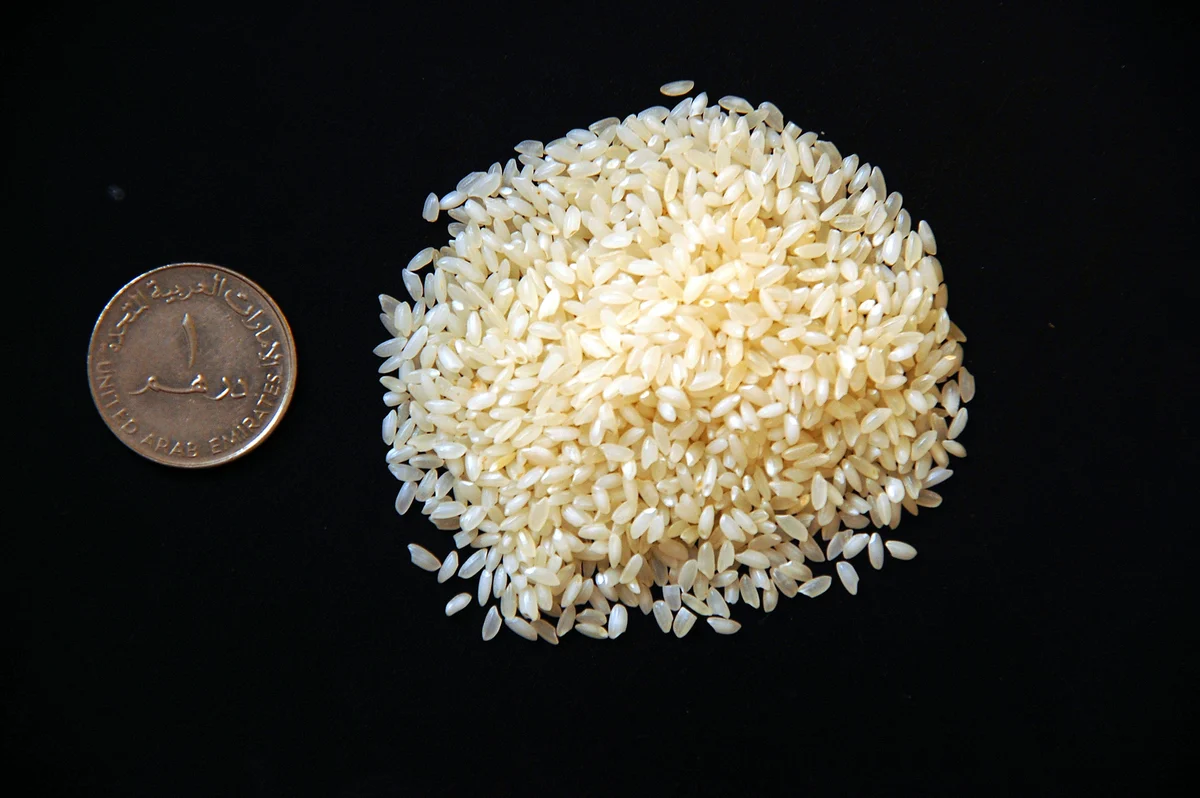
Kerala Tourism calls Jeerakasala, also known as Kaima, a small, fragrant grain used for biryani and grown mainly in Wayanad. Its account names Panamaram, Sulthan Bathery and Mananthavady in describing cultivation. That gives the name a more useful setting than a generic description such as Kerala rice. The small grain is part of the reason it is worth searching by name when the grain in a biryani recipe matters to you.
Gandhakasala is a separate fragrant Wayanad rice. The registry records Wayanad Jeerakasala Rice as application 186, certificate 137, and Wayanad Gandhakasala Rice as application 187, certificate 138. Both certificates are dated 4 October 2010. Shared geography, fragrance and a common certificate date can make the names look interchangeable in a short listing. The separate records give you a practical way to resolve which rice a seller or recipe names.
Palakkadan Matta belongs to a different Kerala setting. The state GI portal describes large grains with a red outer layer, cultivation in Palakkad district, and a parboiled form. It documents meal rice and kanji as uses. The registered product covers multiple contributing paddy types, so the regional name can be meaningful on a packet even when it gives you no individual paddy name. Its registry record is application 36, with certificate 41 dated 24 September 2007.
Suppose you are shopping for kanji from a recipe that calls for Palakkadan Matta and the online store files both Matta and Kaima under Kerala rice. Use the full Matta name and the recipe's processing description to narrow the search. The location at the top of the store category is too broad to settle the choice. The grain descriptions explain why the two products occupy different places in the kitchen even when a seller groups them together.
- Kerala Tourism: Kerala Biryani Rice
- Codex standard for rice CXS 198-1995 — FAO and WHO
- Palakkadan Matta Rice — Kerala Industries Department and GI Registry
- GI Registry application 186, Wayanad Jeerakasala Rice
- GI Registry application 187, Wayanad Gandhakasala Rice
- GI Registry application 36, Palakkadan Matta Rice
Find aromatic rice in West Bengal and Assam
The GI Registry spells the West Bengal product Gobindabhog Rice. Gobindobhog is another spelling for the same product in the filed GI Journal description, which identifies it as an aromatic cultivar. Try both spellings when searching a grocer's listings or reading a recipe, and use application 531 to locate the registry entry directly. Certificate 297 is dated 24 October 2017. The spelling variation can affect what a search returns even when the underlying reference is the same.
Similar regional descriptions can also refer to genuinely different varieties. Bidhan Chandra Krishi Vishwavidyalaya treats Gobindabhog, Tulaipanji and Radhunipagal as distinct in its Bengal Aromatic Rice research. A listing headed Bengal aromatic rice still leaves the variety open. Where a dish or comparison calls for Gobindabhog, look for that specific name in the product description or on the packet itself. If the only photo is generic, a current image of the label can settle the spelling and identify the variety the seller claims.
Joha Rice of Assam is another regional name worth looking up directly. The registry records it as application 439, with a certificate dated 27 April 2017. A Ministry of Commerce and Industry description identifies fragrance and fine grain. Those attributes help a reader looking beyond basmati find a more specific option than either scented rice or non-basmati. They are a limited description for someone who needs to predict how Joha will behave in a particular recipe.
For a cooking comparison between West Bengal Gobindabhog and Assam Joha, start by establishing the names and the forms sold. The regional evidence supports fragrance for both. It gives finer detail about Joha's grain and confirms Gobindabhog's identity among several Bengal aromatic varieties. If the choice turns on how the grains hold together after cooking, look for a recipe or a regional culinary source that names the rice and describes the cooked result you want.
Tell dark husks from dark kernels
Kalanamak illustrates why a colour word needs a reference point. Siddharthnagar district describes its dark husk, and the Uttar Pradesh State Biodiversity Board describes a white kernel once that husk is removed. India's GI Registry records Kalanamak (Rice) for Uttar Pradesh under application 205, with a Siddharthnagar applicant and a certificate dated 9 September 2013. A picture of the harvested paddy can therefore look quite different from a picture of the grain offered for cooking.
Chak-Hao is documented as black aromatic rice by the Manipur Organic Mission Agency, which identifies cooked rice and kheer as characteristic uses. The GI record for application 602 lists Manipur and Nagaland and dates certificate 364 to 20 April 2020. The named applicant is the Manipur Consortium of Producers of Chak-Hao (Black Rice). The applicant name tells you who filed the application, while the geographic area field tells you where the registered product is associated.
If you are making a kheer recipe that specifically calls for Chak-Hao, a search for black rice may return other products and bring up Kalanamak descriptions that mention its dark husk. Check for the name Chak-Hao and read the origin statement. A photo of the grain sold for cooking can help you identify the colour the seller is describing. To verify a regional claim, use the registry's named product and geographic area alongside the packet information.
Compare processing and check similar retail names
The Codex rice standard calls rice with its husk removed husked or brown rice. Milling can remove all or part of the bran and germ. Parboiling is a wet heat treatment followed by drying, and parboiled rice can be sold husked or milled. This means that parboiled describes a treatment the rice has undergone, while brown or milled describes a stage of processing. Check both fields when they appear on a packet and when a recipe specifies one.
India's basmati standard distinguishes brown, milled and parboiled presentations under the same named family. For a comparison between two packets, record the family name and the processing words before deciding which one matches the recipe. The label might leave one of those details open. If a recipe gives a water ratio or a cooking time for one presentation, look for directions that match the packet you have, especially when you are changing both the grain and the method.
Similar spellings can hide a different kind of distinction. The Andhra Pradesh State Seeds Development Corporation lists BPT-5204 as Samba Mashuri and BPT-3291 as Sona Mashuri in separate rows of its paddy seed schedule. The BPT-5204 entry describes fine grains and cooking quality. Mahsuri, Masuri and Mashuri are transliteration variants you may encounter in retail searches. Read the whole name, including Samba or Sona, and use a stated variety code when the exact seed line matters.
For a named product lookup, check the current packet or ask for a current label image before relying on a retailer's search title. A seed schedule can confirm how an authority lists a cultivar and its code. A registry entry can confirm the official GI name and the geographic area in the record. To connect either record to a particular product listing, look for the corresponding name, code, origin or traceability reference on that product. If the information stops at a similar-sounding name, the exact identity remains open.
Sources
- APEDA: Basmati Net
- APEDA: Non-Basmati Rice
- Kerala Tourism: Kerala Biryani Rice
- Basmati, Indian geographical indication 145 — Intellectual Property India
- Basmati rice properties and India GI geography — APEDA
- Codex standard for rice CXS 198-1995 — FAO and WHO
- Palakkadan Matta Rice — Kerala Industries Department and GI Registry
- Gobindabhog Rice, GI application 531 — Intellectual Property India
- Joha Rice of Assam, GI application 439 — Intellectual Property India
- Kalanamak rice, GI application 205 — Intellectual Property India
- Chak-Hao, GI application 602 — Intellectual Property India and Manipur Organic Mission Agency
- Paddy varieties registered for state seed production — Andhra Pradesh State Seeds Development Corporation
- Jeerakasala rice — original photograph by Tux the penguin
- GI Registry application 186, Wayanad Jeerakasala Rice
- GI Registry application 187, Wayanad Gandhakasala Rice
- GI Registry application 36, Palakkadan Matta Rice
