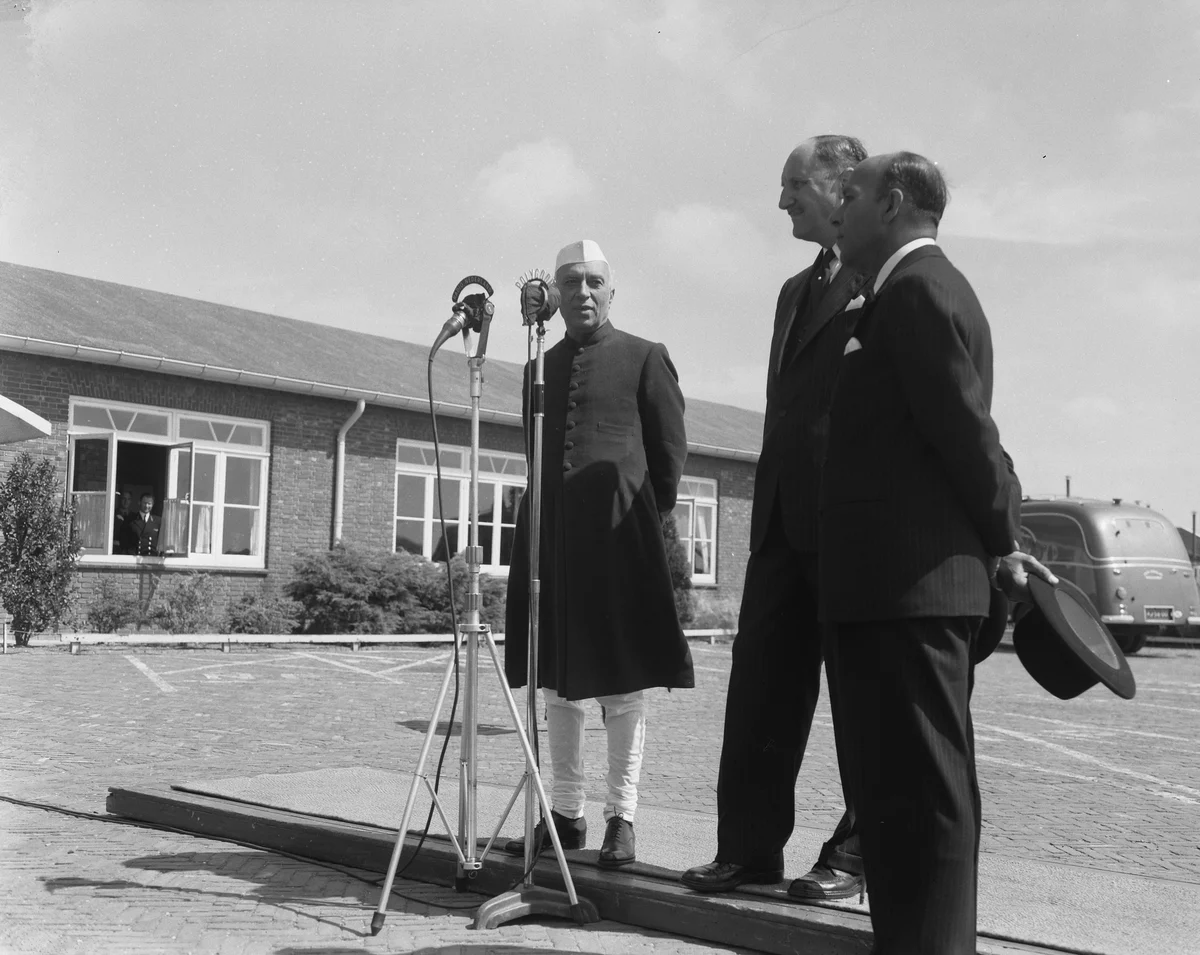
India observes Children’s Day on 14 November every year. Also known as Bal Divas, it marks the birth anniversary of Jawaharlal Nehru, independent India’s first prime minister.
Use 14 November for an entry in an Indian festival or observance calendar. The date is fixed, so the weekday changes from year to year. If you are putting it into a family diary, open the calendar for the year you mean and check which day of the week it falls on before making arrangements around school or work.
A calendar may also show World Children’s Day on 20 November. Keep the names with the dates, especially in a shared calendar where an entry may appear without its description. The two entries refer to different observances, and each can produce its own school announcements, activities or reading material.
For a newsletter, classroom notice or invitation, putting the year and weekday beside the date makes the entry easier to check. If the activity takes place on a different day, write the activity date on its own line or in its own field. A notice can then explain the occasion while giving families a clear date to act on.
Which November date or notice to use
What you are checking
Date or source to use
Children’s Day in India or Bal Divas
14 November each year
World Children’s Day
20 November each year
A school’s assembly, attendance or dismissal time
The school’s notice for the relevant year and class
A public programme, workshop or performance
The organiser’s current listing for the specific venue and session
Jawaharlal Nehru was born on 14 November 1889 in Allahabad, now Prayagraj. He went on to become the first prime minister of independent India. The Government of India’s explanation for the annual observance ties 14 November to his birth anniversary, so that biographical date supplies the day and month used for Bal Divas.
The Nehru Memorial Museum and Library’s profile also records the association with the name Chacha Nehru. Chacha means paternal uncle in Hindi and can be used as an affectionate form of address. The nickname helps explain why a child may encounter that name in a school talk about Children’s Day. Nehru’s full name makes the connection clear in a caption or short introduction.
The biography records Nehru’s commitment to education. For a short classroom explanation, that gives a teacher or parent a way to connect the person being remembered with a subject familiar to children. A child can place Nehru on a timeline using his birth year and his role after independence, then use the birthday to explain why this particular date appears in the calendar.
The birthday, the reason for the observance and the year it was first adopted are separate historical questions. The biography establishes the birth date. The government release explains why 14 November is observed annually. To date the start of the observance, look for a contemporaneous government announcement or an archival record that explicitly identifies the first year. A dated programme can establish that an institution marked the day in that year.
For attendance, closure and pickup, use the latest notice from the child’s school. The national observance gives the occasion a date. The school calendar and subsequent notices give families the operating details they need, including whether regular classes, a special assembly or a different dismissal time applies on the day.
Check the campus and class as well as the date. A notice addressed to a particular grade can leave the rest of the school on its usual timetable. Look for the time pupils are expected to arrive, whether they should bring their normal school materials, and whether any change to dismissal also affects the school bus. An assembly time alone leaves pickup unresolved.
Suppose an annual school calendar shows an activity on 14 November and a later circular asks one grade to attend a rehearsal the previous afternoon. For a family in that grade, the rehearsal creates a second diary entry. The annual entry still tells them when the event is scheduled. The circular can settle which pupils are expected at rehearsal and when a parent needs to arrange pickup.
If a forwarded message says there is a holiday, find the notice it came from and check the year, issuing authority and schools covered. A formal holiday or closure notice may apply to a defined set of institutions. If the school’s latest instructions leave attendance or transport unclear, ask the school office about the specific class and date. A screenshot shared without its heading can easily omit the information that determines whether it applies.
On 14 November 2014, the education ministry recorded the opening of the National Children Assembly and Integration Camp at National Bal Bhavan in New Delhi. The event marked Nehru’s 125th birth anniversary. The ministry reported participation by more than 4,500 children from Delhi and another 500 from Bal Bhavans and Bal Kendras elsewhere in India. The programme used cleanliness as its theme, with subjects ranging from school grounds to drinking water.
The same institution can schedule an event across several days in another edition. The education ministry’s 2023 activity report places that year’s assembly and integration camp on 17–19 November and records about 2,500 children, including groups from 37 regional Bal Bhavans or Kendras. Meanwhile, children from several schools and organisations met President Droupadi Murmu at the Rashtrapati Bhavan Cultural Centre on 14 November itself. The records name different venues and programmes. A date and host identify which event a family or a school account is describing.
For a visit in another year, find a notice issued for that year by the institution or the named organiser. The appearance of 14 November in the headline gives you very little help in identifying the edition because the observance recurs on the same date. Read the year on the release or in the programme details, and check whether the listed venue and session are the ones you plan to attend.
Participation in a programme can take several forms. Children may be invited as an audience, registered for a session or involved through a school or group. A dated account can establish that participation was part of an event. For a current visit, look for the organiser’s wording about who can take part, how places are allocated and whether an accompanying adult can enter the same session. Those answers determine whether a listing is suitable for a family outing.
Start with the part of the outing your child wants to do. A venue may advertise a full day of activity while the workshop that interests your child has its own start time, age range or reservation process. Find the session details and see whether they fit around school and travel. That gives you a practical basis for choosing between a timed activity and a visit with more flexible arrival.
Where a listing shows several times, work out which one governs entry. Venue opening, registration, check-in and the beginning of a session can each have a separate time. For an in-person event in India, put the confirmed venue time in the diary in Indian Standard Time. For an online event, check the time zone on the host’s notice and set the diary entry using that zone.
Suppose a museum announces a children’s workshop and offers general admission on the same day. A family that has bought entry to the museum should check whether the workshop requires a separate place. If places are allocated at check-in, the practical question is when check-in starts and whether the family can get there in time. General admission may still make sense if the child would enjoy the museum on its own.
Check the details that would change your decision before paying or travelling. These can include the full cost for children and accompanying adults, whether a guardian can stay during the activity, and any access arrangements your family needs. Recheck the organiser’s current notice close to departure, especially after an early announcement or when an event has several venues. Keep the booking confirmation handy if it contains a different entrance or reporting time from the public listing.
Why World Children’s Day is on 20 November
World Children’s Day falls on 20 November. The date marks two actions by the United Nations General Assembly. It adopted the Declaration of the Rights of the Child on 20 November 1959 and the Convention on the Rights of the Child on 20 November 1989. India’s 14 November observance has its own historical basis in Nehru’s birthday.
The Declaration and the Convention are two documents from different years. If a student writes that the United Nations adopted the Convention in 1959, they have attached the Declaration’s year to the Convention. The Convention was adopted in 1989 under General Assembly resolution 44/25. It entered into force on 2 September 1990, a separate milestone from adoption and the November anniversary.
For a classroom timeline, put the name of each document beside its date. Label the 1989 entry as adoption and the 1990 entry as entry into force if the class is covering both. For a short notice about World Children’s Day, the shared day and month of the two adoption dates explain why UNICEF identifies 20 November as the observance.
In a family or school calendar, either observance can prompt a conversation about children’s lives. If a school marks Bal Divas with a discussion of play or education, the topic fits on 14 November. If the lesson specifically introduces the UN documents and their adoption dates, the class can identify that connection to 20 November. Naming the occasion and the subject separately lets children see why the dates are different even when the activities overlap.
A family can mark the day with an activity the child helps choose. At home, that might mean setting aside time to play or reading together about Nehru and the name Chacha Nehru. A class can connect his interest in education with its own experience of learning. One focused question gives children something concrete to talk about, especially when they have different ages or levels of familiarity with the history.
For a discussion about children’s rights, the Convention supplies starting points. Article 12 concerns children expressing their views in matters that affect them. Article 28 concerns education. Article 31 covers rest, leisure and play. Pick the article that matches the subject the children want to discuss. A class interested in what makes a good break can start with rest and play, then use the idea of expressing views to give pupils a say in the conversation.
For instance, a family deciding how to spend a free afternoon could ask a child to choose between visiting the library and playing a game at home, with room to suggest another idea that fits the available time. An adult can explain any fixed commitments before the choice. This gives the child a real decision to make and makes an abstract conversation about being heard easier to connect with everyday life.
In a group setting, give children more than one way to contribute. A child may prefer suggesting a game in writing, drawing a picture of a favourite place to play or speaking with a partner before sharing with the group. Close the activity by telling the children what happened to their suggestions. If the group can act on one of them, say when it will happen so the children can see what their input changed.