India events calendar: announced festivals and tentative dates
Filter dated events by city, state, date and status, and download reminders for organiser-listed events across India.
India IRL editorial team · Sources checked
Find an event by date and place
Selected listings checked on . Dates come from the organiser or the linked public authority. Tentative listings are planning leads. Confirm session times, tickets and any changes with the linked source.
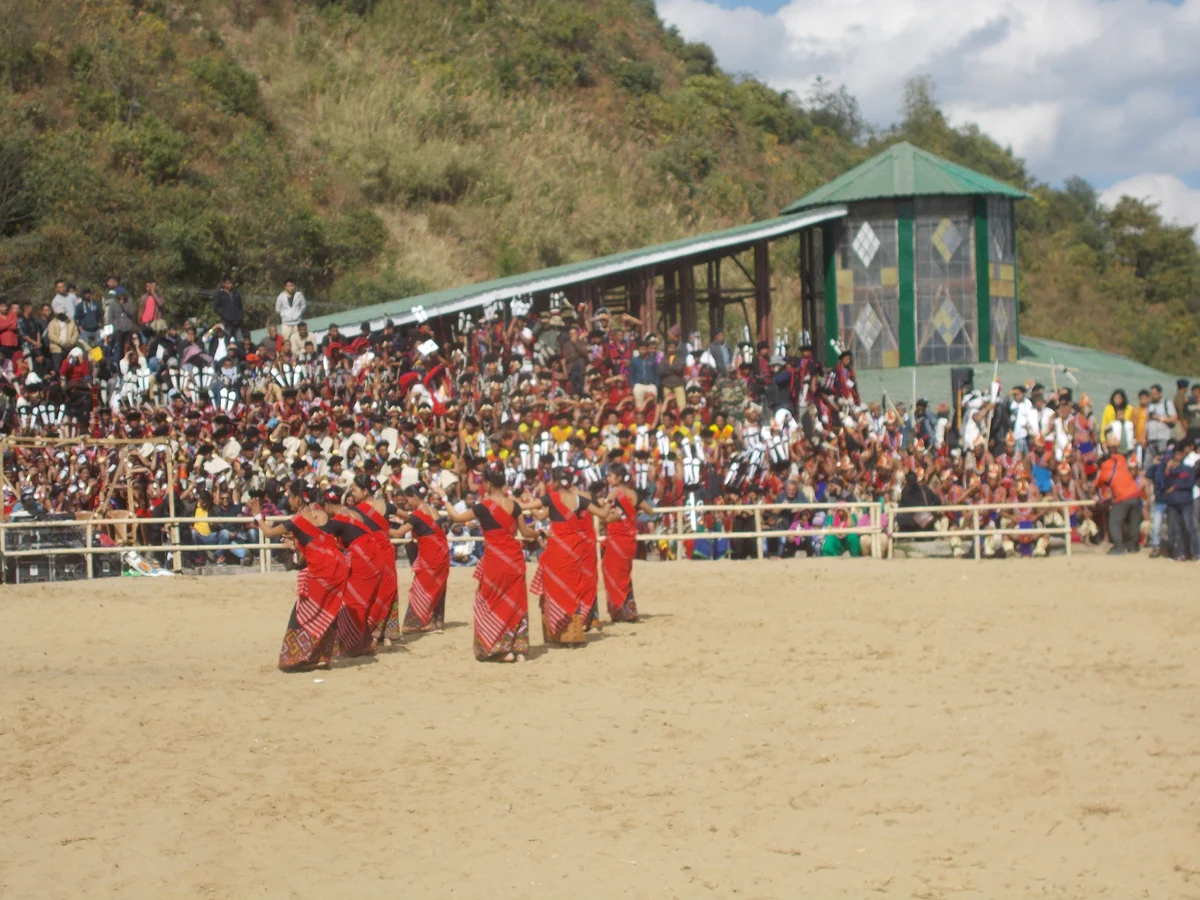
Source for Hornbill Festival Nagaland Tourism announces the 2026 dates. Its event calendar names Kisama as the main festival location. Check individual programme venues and any applicable admission conditions.
Konark Festival
to
Konark, Odisha Open-Air Auditorium, Konark
Announced
Source for Konark Festival The edition's dated programme lists performances at this auditorium. The generic tourism calendar and dedicated programme differ on the evening finish time. Follow the dedicated programme and recheck the intended performance.
Mahindra Kabira Festival
to
Varanasi, Uttar Pradesh Guleria Kothi (Ganesh Ghat) and Shivala Ghat
Announced
Source for Mahindra Kabira Festival The organiser names both venues for the edition. Confirm the selected session and its booking or admission terms on the event site.
Cochin Carnival – Ceremony of Peace and Solidarity
Kochi, Kerala Vasco da Gama, Parade Ground, Fort Kochi (organiser wording)
Source for Jaipur Literature Festival The official indexed 2027 homepage text gives both dates and venue and lists separate registration categories. The direct text extraction returned no content. Read the organiser's current programme and registration terms for the specific session.
Shiv Jayanti – Goa state calendar listing
Goa Venue to be verified
Tentative
Source for Shiv Jayanti – Goa state calendar listing Goa Tourism marks both the date and venues tentative. It names several towns including Panaji, Margao and Mapusa. No individual site or session was verified. Treat this as a statewide planning lead with no assigned city venue.
Use the calendar to check events that overlap your India travel dates. It lists specific announcements for selected cities, plus government planning leads labelled tentative. Search the organiser’s name, venue, city or state and enter the dates you will be there. Then open the linked event source for the current admission, precise session time and any later changes.
The Ministry of Tourism organizes its Incredible India event pages by destination. Individual entries give you location and timing context, so they’re a practical starting point when you know where you’ll be. The Ministry’s Utsav calendar directs readers to Incredible India for updated festival and event information. If you reach Utsav first, follow that handoff and look for the event profile under the relevant destination.
Decide which part of the weekend you can actually use. If you arrive on Saturday afternoon and leave on Sunday evening, an event that runs across both dates may have only one session that fits. Look for the public programme and read the timings line by line. Pay attention to entry opening, performance start and last admission, especially if your travel window is narrow.
Date filters keep an event if any of its listed days overlap your requested range. For a city break that starts midway through a festival, that lets you find what is still underway. The displayed dates are in India. The calendar download adds all-day reminders for the listed date ranges and marks the tentative row as tentative. Reserve a timed appointment only after checking the organiser’s own session schedule.
Check which venue and jurisdiction the event belongs to
A city label helps you find an event. To plan the outing, take the venue’s full name and locality from the organizer’s notice, then check them against the destination you searched. Keep the neighbourhood, city or town, district and state where they help identify the site. A district name can help distinguish similar place names, and the locality helps you work out which part of your trip the event fits.
Give particular attention to the venue when an event comes from a state calendar. A state tourism department can list events across its jurisdiction. Treat each entry as a candidate for the city or town named in its organizer notice. When the notice gives several venues, match the activity you want to its own address. A festival’s main venue can be a poor reference point for a session listed elsewhere in the programme.
You’re staying in Kochi and find the Cochin Carnival through a destination search. The tourism profile gives you Fort Kochi as the locality to investigate. Once you find the programme for the edition you’re considering, check where your chosen activity takes place and which entrance the organizer names, if any. Use that location when checking a current map and planning when to leave your accommodation.
For a multi-site event, record the meeting point as well as the venue when the notice gives both. A gathering point can matter more to your arrival than the building used in the event title. If the organizer later issues a venue correction, update the location you saved for the trip and recheck how long it takes to get there.
For the Serendipity Arts Festival in Panaji, the venues are spread across the city. The 2026 directory names Azad Maidan, Maquinez Palace Theatre and the Mandovi riverfront Promenade, among others. The programme for the session and the festival venue directory work together. Start by choosing the event, then use its named venue and entry instructions for that date.
Match the notice to the edition you intend to attend. Search by the event name and year, then open the organizer’s announcement and check the year inside the notice itself. If a poster includes a weekday and date, check that they agree for the stated year. If the organizer has published a revised programme, use it for the affected sessions and look for any separate entry instructions.
Record times in Indian Standard Time (IST) for an event held in India. Check the time zone displayed by your calendar app, particularly if you’re planning before arriving in the country. For an event that extends past midnight, save the date of each session alongside its start and finish. A listing can describe the evening under one date even when part of the programme occurs the following day.
A tourism listing describes a festival as a weekend event, and its organizer posts a separate notice for a Sunday afternoon session. Your plan depends on that session’s start, venue and last admission. Save those details together. If you can only find the festival’s date range, leave the session time unresolved and keep another option for that afternoon.
When the directory and the organizer show different dates, look for an organizer notice that explicitly revises the same edition or session. Where both versions are still circulating and you can’t establish which applies, leave the date unconfirmed. Check again before a commitment that depends on the event, such as moving a hotel stay or buying admission for a group.
What to check before adding an event to your weekend
Detail
Where to verify it
What to record
Edition and public dates
Current organizer announcement
Year and dates open to visitors
Session and time
Latest programme or session notice
Session date, start in IST and last admission if stated
Venue and entrance
Organizer’s venue instructions
Locality, venue name and entrance or meeting point
Admission
Organizer’s entry instructions or named ticketing channel
Registration, ticket requirements and any stated limits
Changes
Organizer’s revision or cancellation notice
Affected session and the date you checked
Konark Festival illustrates the difference between a festival date and a session schedule. Odisha Tourism gives 1–5 December 2026 at the Open-Air Auditorium. Its dedicated edition page gives 18:00 to 20:30 for the evening programme, while its general calendar gives a 21:00 finish. Use the edition’s detailed programme and recheck the time for the performance you intend to attend. The calendar above records the dates so it does not turn either finish time into a calendar appointment.
Use Cochin Carnival’s Fort Kochi profile as a starting point
Incredible India associates Cochin Carnival with the closing weeks of December in Fort Kochi, Kerala, and identifies the Ernakulam District Tourism Promotion Council as the organizer. Those details give you a locality, a broad period and an organizer to look for. Use the current edition’s programme to establish which dates and activities fit your weekend and where they take place.
For 2026 the organiser names a Ceremony of Peace and Solidarity on 13 December at the Fort Kochi venue it calls Vasco da Gama, Parade Ground. It separately lists a flag ceremony at Vasco da Gama Square on 20 December and Kolam and Rangoli at Pandithan Temple in Mattancherry on 25 December. The Indian tourism directory also gives 13 December in Fort Kochi. These dated notices cover the named activities. For New Year plans, check for a complete current-edition programme.
You have one afternoon in Fort Kochi in late December and want to include a carnival activity. Find the current programme and locate an activity whose venue and entry arrangements suit that afternoon. If you only have the tourism profile, keep the carnival as a possibility and plan the afternoon around something with hours you can verify. You can adjust once the organiser publishes more detail.
When you find a newer notice, check what it actually covers. A notice about one venue or activity can resolve that part of your plan while leaving other programme details open. If you’re keeping a saved itinerary, attach the relevant date and venue to the individual activity so you can spot what changes if an updated schedule appears.
Turn Goa’s state calendar into a town-level shortlist
The Goa Department of Tourism issues an events calendar labelled 2026–2027. Use it to identify candidate dates, then look for the organizer’s current venue and admission details before assigning an event to a town or building a trip around it. Keep the year attached to each candidate as you read through the calendar, particularly if you’re planning across the end of December and the beginning of January.
Work outward from where you’re staying. Identify the town or locality of each promising listing, then check whether you can reach the venue and get back within the part of the day you have available. If the state entry gives you a name and date but leaves the venue unclear, keep it on a research shortlist. You can put it on the itinerary once you can locate the event precisely enough to plan the outing.
You find a candidate in the state calendar for a Saturday you’ll spend in Goa. You also have a fixed evening commitment in the town where you’re staying. Check the event’s organizer for the venue, session hours and entry requirements, then check the current travel time back to your evening appointment. If any of those details remain unclear, keep your afternoon flexible until you can judge the fit.
If several listings fall on the same date, compare the individual sessions you’d actually attend. A drop-in activity may fit a short gap if the organizer allows entry throughout the advertised window. A scheduled performance can require arrival by a specific time. Look for those conditions in the event notice before you decide whether two stops belong in the same afternoon.
Goa Tourism’s statewide 2026–27 festival calendar labels its dates and venues tentative. Its 19 February 2027 Shiv Jayanti entry names several possible towns, so the table leaves the city and exact venue open. For a date-specific alternative in Goa, Serendipity’s organiser announced 13–20 December 2026 in Panaji. The Azad Maidan programme lists The Queen for 14 December at 14:00 and 18:00, India time. Check admission and capacity for the session you choose.
Build a weekend around the time and entry you have
Choose one confirmed event as the anchor for each day you’re planning. Place it in the itinerary with the arrival time you need, then check what fits nearby before or afterwards. A published start time tells you when the programme begins. For your own schedule, allow for the journey to the venue, finding the right entrance and any check-in instructions the organizer gives.
Read admission requirements for the exact date and session. A price or a description of the event as free settles only part of the question. Check whether the organizer calls for advance registration, a timed slot or a separate reservation for an activity within the event. If you’re going with other people, confirm how many places you need and whether everyone can attend the same session.
Your group chooses a Saturday event with a fixed admission window. Save a nearby backup with independently confirmed opening hours and entry details. If the event is cancelled or the group misses last admission, the backup still works within the time you have left. If the event goes ahead, the backup can stay optional and you can leave room for the main programme to run long.
Check any venue feature your group depends on with the organizer or venue. For someone who needs step-free access, ask about the entrance for the actual session and the route from there to the event space. If the answer affects whether you can attend, resolve it before booking. A venue-wide description may leave out the arrangements for an individual event.
For 1–10 December 2026, Nagaland Tourism announces the Hornbill Festival and gives Kisama near Kohima as the main site. For 4–6 December, the Mahindra Kabira organiser gives Guleria Kothi at Ganesh Ghat and Shivala Ghat in Varanasi. Jaipur Literature Festival announces 14–18 January 2027 at Hotel Clarks Amer. Each overall range covers a different set of activities. Use the individual organiser and programme entry to confirm the session, venue and access you need.
Reopen the organizer’s notice before buying admission or making travel plans that depend on the event, and check it again before leaving for the venue. Look for changes to the specific session you saved, including a moved entrance, a revised start, a postponement or a cancellation. If your plan came from a directory or a saved poster, return to the organizer for the latest update.
For a published calendar, record when each event was verified and refresh upcoming listings during the week of the event. Do a further check on the day for any listing the page actively promotes. If you can’t complete the refresh, make the verification date visible and remove time-sensitive claims you can no longer substantiate. A postponement with no replacement date belongs outside the upcoming schedule until a new date is confirmed.
Expire a listing from the upcoming view after its last confirmed public session ends in local time. If the organizer confirms the final date but supplies no closing time, expire it after that local date. A cancelled session should leave the upcoming view as soon as the cancellation is verified. For events with several sessions, apply the change to the affected session when the rest of the programme is still confirmed.
Keep individual reported stories accessible when their event facts are verified and the material still serves readers. Give any past programme its edition year so a search visitor can place it in time. When a new edition is announced, give it a fresh listing based on that edition’s notice. The earlier story can continue to explain the event and its location while readers consult the new listing for practical details.