What the public record confirms about the survivor
One passenger survived aboard Air India Flight AI171 when it crashed shortly after departure from Ahmedabad on June 12, 2025. India’s Aircraft Accident Investigation Bureau recorded that passenger’s injuries as serious, and Air India said in its early public statements that the passenger was receiving treatment in hospital.
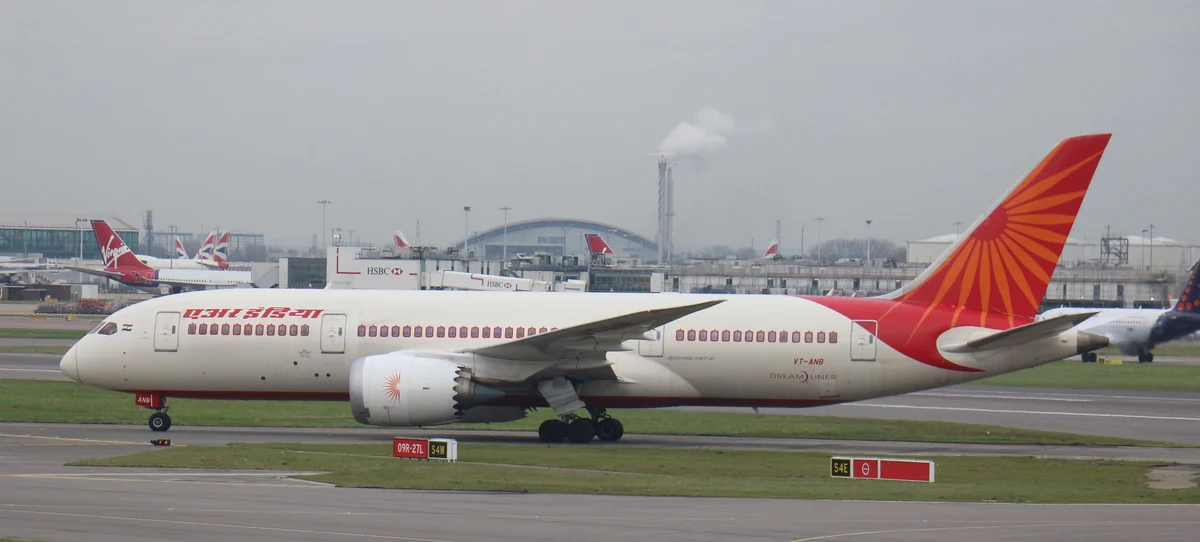
AI171 was a scheduled passenger flight from Ahmedabad to London Gatwick. The aircraft was a Boeing 787-8 registered VT-ANB. The route identifies the service, while the registration identifies the specific aircraft in the investigation records. The accident took place in Ahmedabad, and London Gatwick was the intended destination.
The two sources answer different parts of the basic question. Air India publicly acknowledged a survivor on the day of the crash and reported hospital treatment. The Indian bureau’s preliminary report sets the passenger within the full accounting of people aboard and assigns an injury classification. Together, those records establish that one passenger survived the accident and sustained serious injuries.
The official material cited here establishes the person’s status as a passenger. A name, seat assignment or account of the person’s movements would each require its own source. The same applies to any statement about what happened after the initial hospital treatment. A reader searching for the survivor may encounter all of those details presented together, even though each rests on a different kind of evidence.
How the survivor fits into the casualty figures
The preliminary report records 230 passengers and 12 crew aboard AI171, for a total of 242 people. It lists 229 passenger fatalities and 12 crew fatalities. That accounts for 241 deaths aboard the aircraft, with one passenger surviving and all 12 crew members among those who died.
The report records another 19 fatalities among people on the ground. Adding those deaths to the 241 aboard gives 260 deaths in total. When quoting a figure, keep the population beside the number. The wording matters because the accident affected people in Ahmedabad as well as the passengers and crew on the flight.
| Group | Recorded count | Outcome |
|---|---|---|
| Passengers | 230 aboard | 229 fatalities and one serious injury |
| Crew | 12 aboard | 12 fatalities |
| Everyone aboard | 242 aboard | 241 fatalities and one survivor |
| People on the ground | 19 fatalities | Counted separately from deaths aboard |
| Deaths across both groups | 260 fatalities | 241 aboard and 19 on the ground |
If two accounts cite 241 and 260 deaths respectively, check how each describes its figure before deciding whether they disagree. Air India’s June 12 statements confirmed 241 deaths aboard. The United Kingdom’s Aircraft Accident Investigation Branch acknowledged 260 people who lost their lives in its anniversary statement. Both figures fit the injury table when read with their scope.
The phrase “sole survivor aboard” gives the survival figure the same precision. It refers to the people carried on AI171 and can be read directly against that group’s 242 occupants. The table’s ground fatality count belongs to a separate population and answers a separate question about the impact of the crash.
What the hospital statement and injury classification establish
Air India’s early statement about hospital treatment provides a snapshot of the immediate response. The preliminary report’s serious injury entry serves a different purpose. It records the injury outcome in an aviation accident investigation alongside other casualty information. The two statements can both be accurate even though they describe different things.
The phrase “serious injury” can be quoted as the bureau’s classification. It supplies no diagnosis or detail about treatment. An accident report can retain an injury classification long after a patient’s condition has changed. The original entry therefore remains a source for how the accident was recorded, regardless of whether a later public account becomes available.
If a recent article says the passenger “is in hospital” and cites only Air India’s early update, check the date of the statement underlying that sentence. The publication date of a new article establishes when the writer published it. A claim about a current condition needs evidence that dates the condition itself. The early airline statement supports describing hospital treatment in the past tense.
Surviving the crash is also a narrower fact than recovering from its effects. The public records cited here establish survival at the time of the accident and document the serious injury classification. They provide no later medical timeline. Any account that supplies discharge, rehabilitation or current wellbeing would need a dated source with direct knowledge and an appropriate basis for making that information public.
Why survival and its explanation require separate evidence
The preliminary report establishes the outcome for the passenger. Its injury table provides no explanation of how the passenger survived. A survival outcome records what happened to a person. A causal explanation would need evidence showing how conditions during and after the impact affected that person, along with analysis that connects those conditions to survival.
Take a claim that attributes survival to a particular seat. Establishing the seat assignment would answer where the passenger was assigned to sit. It would take further evidence to explain what occurred around that location during the accident and how it affected the outcome. Turning a seat claim into general advice would require evidence extending beyond one passenger on one flight.
The cause of the crash is a separate investigative question. A finding about the sequence that led to the accident could help explain how the flight ended while leaving the mechanism of an individual’s survival unresolved. When assessing either type of claim, look for the exact finding the source makes and the evidence it uses to reach it.
In its February 12, 2026 statement, India’s bureau said the investigation was ongoing and no final conclusions had been reached. It distinguished the factual material already published from the conclusions and safety recommendations intended for the final report. The bureau also rejected speculation and reports of purported findings. Its June interim statement described continuing analysis.
Which investigation records to consult for updates
India’s Aircraft Accident Investigation Bureau leads the investigation. The United Kingdom’s Aircraft Accident Investigation Branch supported it. Both agencies use the initials AAIB, so check the issuing body when reading an update attributed to those initials. The UK branch’s anniversary statement identifies India’s bureau as the lead investigator.
India’s bureau identifies July 12, 2025 as the publication date of the preliminary report. Its February 12, 2026 clarification addressed the status of the investigation. The separate interim statement dated June 12, 2026 described ongoing analysis and a later process of review and consultation. It gave no final report publication date.
To verify a claim that the investigation has reached a new stage, look up AI171 or the registration VT-ANB in the Indian bureau’s public investigation listings. Open the dated document and read how the bureau identifies it. A status statement can document work still underway. A preliminary report records early evidence. A document explicitly issued as the final report would be the source to consult for the bureau’s conclusions.
The Indian bureau records consulted for this page contained the preliminary report and subsequent status material. Treat that as a description of the records consulted, since public listings can change. If a newer document appears, read the passages relevant to the specific claim. A new publication about the investigation as a whole may add little about the passenger’s experience or the circumstances of survival.
| Record | Published date or location | For questions about |
|---|---|---|
| India AAIB preliminary report | July 2025 | Identified aircraft and event, preliminary evidence and casualty categories |
| India AAIB interim statement | 12 June 2026 | Investigation status at the one-year point |
| UK AAIB anniversary statement | June 2026 | UK participation and the Indian authority’s role as investigator |
| India AAIB public updates | Current releases | Any later official report or status change |
Air India safety records and the status of the AI171 investigationAir India Flight 855, the 1978 crash and what the inquiry found
- India AAIB preliminary accident report, VT-ANB
- India AAIB statement on investigation status, 12 February 2026
- India AAIB one-year interim statement, 12 June 2026
- India AAIB public updates and investigation listings
- UK AAIB anniversary statement on Air India Flight AI171
- Aircraft Accident Investigation Bureau | February 2026 AI171 clarification
How to assess claims about the passenger’s identity or account
For a claim about the passenger’s identity, find the earliest attributable public source that actually names the person and explains how it verified the identification. The preliminary report’s casualty table can confirm that there was one survivor aboard. Citing that table beside a name cannot establish whose name it was, even when the description of the flight and the injury count match.
For a purported first-person account, look for the original interview or statement, the date it was given and a clear attribution. A passenger’s description of an experience can establish what that person recalled and chose to share. A news report should preserve the distinction between the account in the person’s own words and a reporter’s interpretation of how events unfolded.
A clip caption can add claims the speaker never makes. If a video is presented as the survivor explaining the crash, check where the footage first appeared, how the speaker was identified and whether the original recording covers the same subject as the caption. Multiple reposts of the same excerpt still lead back to one underlying source.
Public attribution also has a scope. A statement given for one story can support what the person chose to disclose on that occasion. It offers no verification for unrelated claims about relatives, home life or later health. Those details have little bearing on the official count or injury classification, and circulating them can expose people who had no role in making the account public.
What the public support announcements document
Air India’s dated updates in June 2025 described its response to the accident and included information about support for affected people. The announcements are records of what the airline publicly said it was doing at that time. Their dates matter because a response announcement belongs to the period in which it was issued, and the assistance described can change.
On July 18, 2025, Tata announced the creation of the AI-171 Memorial and Welfare Trust, a public charitable trust whose stated purposes include supporting people affected by the accident. That announcement establishes when Tata announced the trust and how it described its purpose. Its stated remit concerns people affected by the accident, a broader group than the passenger who survived aboard the aircraft.
When a claim links the trust to the survivor personally, look for evidence of the particular action claimed. The creation of a trust, its stated purpose and a disbursement to an individual are distinct events. A launch statement directly supports the first two. An assertion that someone received money or services on a particular date needs separate evidence of that transaction.
If you are checking whether any support described in a 2025 announcement is available now, look for current dated information from the organisation named in that announcement. Check whom the current information covers and whether it gives a way to access the service. The historical announcement remains evidence of the response at the time, even if its contact details or arrangements have since changed.
Sources
- India AAIB preliminary accident report, VT-ANB
- Air India public Flight AI171 statements
- India AAIB statement on investigation status, 12 February 2026
- India AAIB one-year interim statement, 12 June 2026
- India AAIB public updates and investigation listings
- UK AAIB anniversary statement on Air India Flight AI171
- Tata statement on AI-171 Memorial and Welfare Trust
- Exact aircraft image, VT-ANB at London Heathrow before the accident
- Air India | AI171 updates
- Aircraft Accident Investigation Bureau | February 2026 AI171 clarification
