Who won the 2026 ODI series?
England won the July 2026 men’s ODI series against India 2–1. India won the opening match by six wickets at Edgbaston on 14 July, then England won in Cardiff on 16 July and beat India by 27 runs at Lord’s on 19 July.
This was India’s three-match men’s One Day International series in England. The Board of Control for Cricket in India, or BCCI, named Shubman Gill as India’s captain in its squad announcement. Use the men’s ODI format, the host country and the July dates together when searching for a scorecard. A search using only the teams and year can bring up other fixtures involving the same countries, and the host’s listing may put England first.
The key distinction for a result lookup is the stage of the series. India led 1–0 after Edgbaston, the teams were level at 1–1 after Cardiff, and England led 2–1 after the third and final match. A report published between the first and second ODIs could accurately describe India as the series leader at that point. For the outcome of the complete series, use the third-match result and the final tally.
If you remember a single detail, it can be enough to recover the date. India’s six-wicket win belongs to the opener. Joe Root’s unbeaten 99 belongs to the second match. England’s 27-run win belongs to the decider. Those are three separate ways to identify a match when the opponent names are the same on every scorecard.
July 2026 ODI fixtures and results
| Match date and number | Venue | England | India | Result |
|---|---|---|---|---|
| 14 July 2026 · 1st | Edgbaston, Birmingham | 258 (47.5 overs) | 262/4 (45.2 overs) | India won by 6 wickets |
| 16 July 2026 · 2nd | Sophia Gardens, Cardiff | 235/6 (44.1 overs) | 233 | England won by 4 wickets |
| 19 July 2026 · 3rd | Lord’s, London | 387/3 (50 overs) | 360/7 (50 overs) | England won by 27 runs |
Read each row across for two different results. The result column records what happened in that match, while the last column counts wins across the series to that point. The table uses the published match dates. If you are matching an old notification, an article timestamp or a calendar entry, open the match record and check its fixture date. A publication or viewing timestamp can belong to a different day from the date used to catalogue a match.
Venue names can appear at different levels of detail. The first and third matches are identified here by their ground names, Edgbaston and Lord’s. The checked result for the second match places it in Cardiff. Use Cardiff as the lookup term alongside 16 July and the teams. If you need the precise ground designation for a database or a caption, check the venue field on the host board’s match page before adding it.
Suppose an old clipping is headed “England level series” and the date has been cut off. Find the row where the running tally becomes 1–1. That points to the second ODI in Cardiff on 16 July. If the clipping mentions Root’s 99, that gives you another detail to compare against the same match record. The final row would point to a different England win, the one that settled the series.
- BCCI | July 2026 England ODI series schedule and squads
- ECB | First July 2026 ODI scorecard
- ECB | Second July 2026 ODI scorecard
- BCCI | July 19, 2026 Lord’s ODI scorecard
- BCCI match centre for the 14 July Edgbaston ODI
- ECB official interview covering Joe Root’s 99 not out and the Cardiff margin
- Cricbuzz original Cardiff innings and delivery commentary
- ECB official host schedule and venues
First ODI at Edgbaston on 14 July
India’s six-wicket victory at Edgbaston was the opening result. A win by wickets tells you which side successfully chased. In a standard eleven-player innings, six wickets remaining means India had lost four wickets when it completed the chase. The margin itself gives no target or finishing over. To work out how many balls remained, you need the innings record and the number of overs available to the chasing side.
In a hypothetical ODI chase with a target of 241, a team finishing on 241 for four wins by six wickets. A team chasing a different target could also finish four wickets down and win by the same margin. That is why the result wording can tell you how many wickets were left but cannot supply the score. For the Edgbaston totals, find the two innings in the ECB scorecard for the first ODI.
The England and Wales Cricket Board, or ECB, also links to its own highlights from the first match’s scorecard. Use the match page to identify the reel if you are looking for footage of the opener. Check the teams, date and Edgbaston in the player or listing before relying on it for a caption. For a batting figure, the innings table gives the recorded total even when the edited reel shows only selected deliveries.
BCCI records England at 258 and India at 262/4. England was all out in 47.5 overs and India completed its chase in 45.2 overs. The ECB highlights identify Shubman Gill and Jasprit Bumrah in the opener and show Washington Sundar completing the chase with a six. Use the England board’s first-ODI match centre for the host’s highlights and the BCCI scorecard to check individual innings figures.
Second ODI in Cardiff on 16 July
England won the second ODI in Cardiff, with Joe Root making an unbeaten 99. The result levelled the series after India’s opening win. If you are searching by player performance, use Root’s name with Cardiff and 16 July. That combination identifies the middle match, while a search for an England win in the July series could also return the Lord’s decider.
On a scorecard, an unbeaten 99 may appear as 99 with an asterisk or with a separate “not out” entry. Both forms mean the batter finished the innings on 99 without being dismissed. If you are checking a reference to a near-century, verify the runs column and the dismissal field together. The match result establishes that England won, and Root’s entry establishes his personal score. To see how quickly he scored, you would also need the balls-faced column.
A score line copied from a spreadsheet might show only “Root 99” because the export omits batting status. If you were preparing a quiz answer about the Cardiff match, check the dismissal field on the ECB scorecard before publishing the wording “99 not out.” Use the result line on that same page if the question also asks for England’s winning margin. A batter’s score can identify a match without providing enough information to calculate the margin.
The Cardiff score was India 233 and England 235/6 in 44.1 overs. Joe Root finished unbeaten on 99 from 133 balls in the recorded innings. ECB confirms the four-wicket margin in its match coverage. England’s win levelled the ODI series at 1–1, so the Lord’s match was the decider. The Cardiff score needs its own result row even when a summary focuses on the closely contested chase or Root approaching a century.
Third ODI at Lord’s on 19 July
England beat India by 27 runs in the final ODI at Lord’s. The sides had arrived at the third match with one win each, so England’s victory decided the series. The 27-run figure is the margin on the day. The 2–1 figure counts the matches won across all three fixtures. Keep both when writing a caption that needs to explain why the Lord’s result mattered.
In a hypothetical uninterrupted ODI, a first innings of 300 followed by a completed chase of 273 produces a 27-run winning margin. The target in that example is 301, so the chasing team finishes 28 runs short of the target. This distinction matters when converting a scorecard into prose. For a match with a revised target, look for the recorded result and any method stated on the scorecard before calculating a margin from the raw totals.
For a lookup about the series winner, the Lord’s match is the relevant one. For a lookup about the largest victory, settle on what you want to measure before comparing results. The opener’s margin is expressed in wickets and the decider’s in runs. Those units describe different ways a match ends, so a ranking by closeness would need an explicit measure and more information from the innings records. A simple results table can preserve each margin in its original unit.
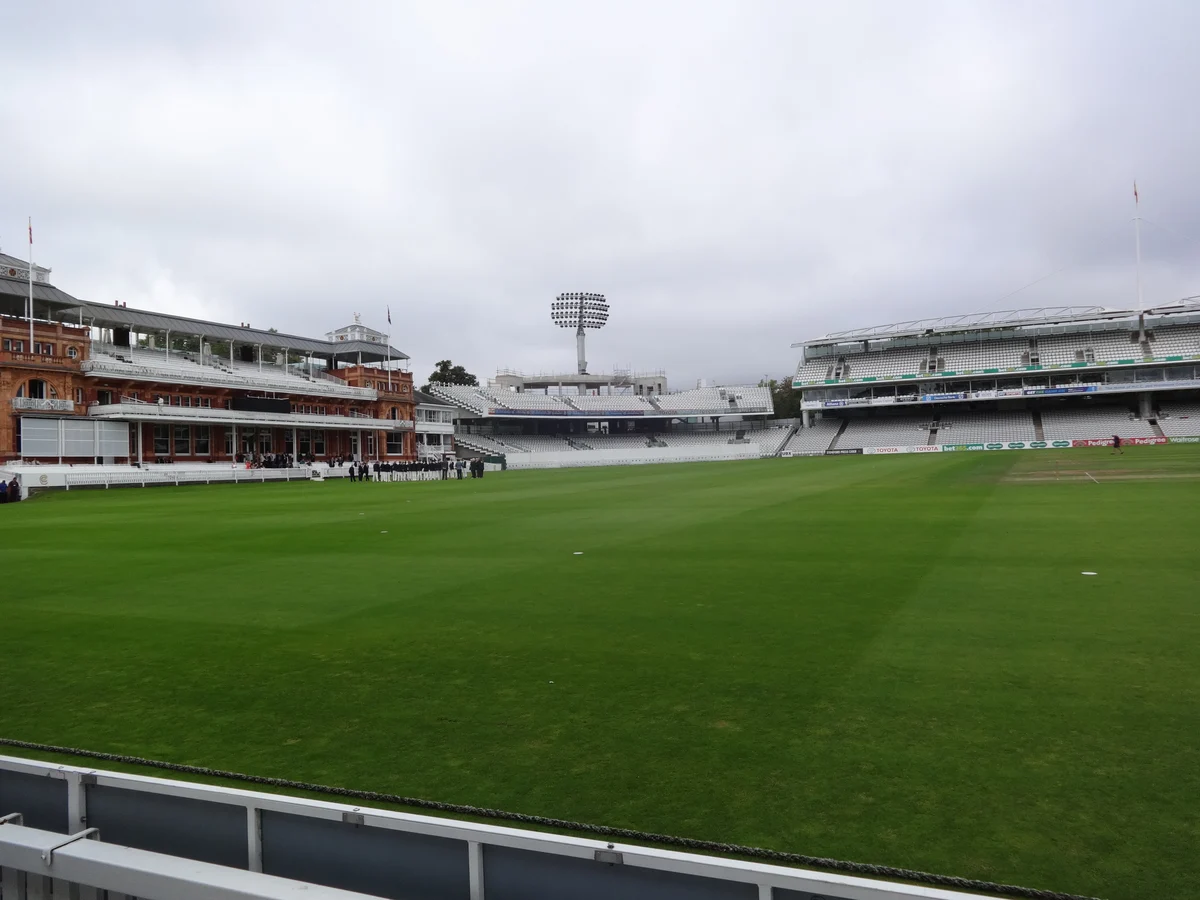
England made 387/3 in its 50 overs at Lord’s and India finished at 360/7 after 50 overs. The total difference gives the recorded 27-run margin. Because England had already levelled the series in Cardiff, the win in London gave it the series 2–1. Lord’s is in St John’s Wood, and the BCCI record names the ground and the exact match number, which helps when searching another fixture played there.
Where to verify lineups, scores and highlights
Use the BCCI squad announcement for the tour schedule and the named India captain. If you need to establish who played or stood as captain in a particular ODI, use that match’s team sheet or playing XI on the scorecard. A squad announcement covers the available group for a series. Participation is recorded match by match, which matters when counting appearances or attributing a performance to a player.
The ECB match pages cover the first two results cited here, and the BCCI match record covers the third. On any of those sites, confirm the date and venue before reading the innings tabs. Match centres can place a report, scorecard and media panel under the same fixture. The scorecard is the place to look for totals, overs and individual figures. The result line is where to verify the winner and margin, and the media panel is where to look for any available footage.
If a detail changes between visits, establish which detail has changed. A corrected player figure belongs in the innings record. A video that moves or becomes unavailable is a change to the media listing. For the Edgbaston reel, return to the host scorecard and check whether the highlights entry still opens where you are viewing it. For Cardiff’s ground name or winning margin, check the venue field or result line on the second match page and compare the date with the fixture table before updating your notes.
- Tour dates and named India captain — BCCI squad announcement
- Edgbaston result and the host’s highlights listing — ECB first ODI scorecard
- Cardiff result and Root’s batting entry — ECB second ODI scorecard
- Lord’s result and final series score — BCCI third ODI match record
India vs West Indies T20Is in October 2026: all five results
Using the archive for stats and match data
The fixture table lets you answer questions about the three match dates, the venues as identified here, the winners and the order in which the lead changed. A batting aggregate needs a different set of records. To calculate the leading run-scorer for the series, take the batting entries from all three innings played by each team across the fixtures, count each appearance once and group entries by player before totalling the runs. Root’s 99 supplies one contribution to that calculation.
If a downloadable dataset contains the fixtures dated 14 and 19 July but has no record dated 16 July, any batting leaderboard built from that file covers two matches. Cardiff includes a known innings of 99 not out, so the gap already has a concrete effect on at least one player’s recorded aggregate. Check that the dataset has one match record for each fixture before calculating series-wide figures, and compare its match winners with the official results as a basic cross-check.
If you are checking a ball-by-ball export, compare the innings totals and wickets against the official scorecards before deriving figures such as powerplay scoring. Also check how the export represents extras and deliveries that do not count as legal balls. Those details affect over-based comparisons. Keep a record of which match and innings supplied each number so that a later scorecard correction can be traced to the specific calculation it affects.
Before republishing a dataset or embedding footage, check the reuse terms for the material you plan to include. For a question about current availability, such as whether a reel still plays, verify it at the point of use. For a question about the July results, match the completed scorecard to the date and venue even if the site’s live-score panel is showing a different fixture.
Sources
- BCCI | July 2026 England ODI series schedule and squads
- ECB | First July 2026 ODI scorecard
- ECB | Second July 2026 ODI scorecard
- BCCI | July 19, 2026 Lord’s ODI scorecard
- BCCI match centre for the 14 July Edgbaston ODI
- ECB official interview covering Joe Root’s 99 not out and the Cardiff margin
- Cricbuzz original Cardiff innings and delivery commentary
- ECB official host schedule and venues