Which tri-series was it?
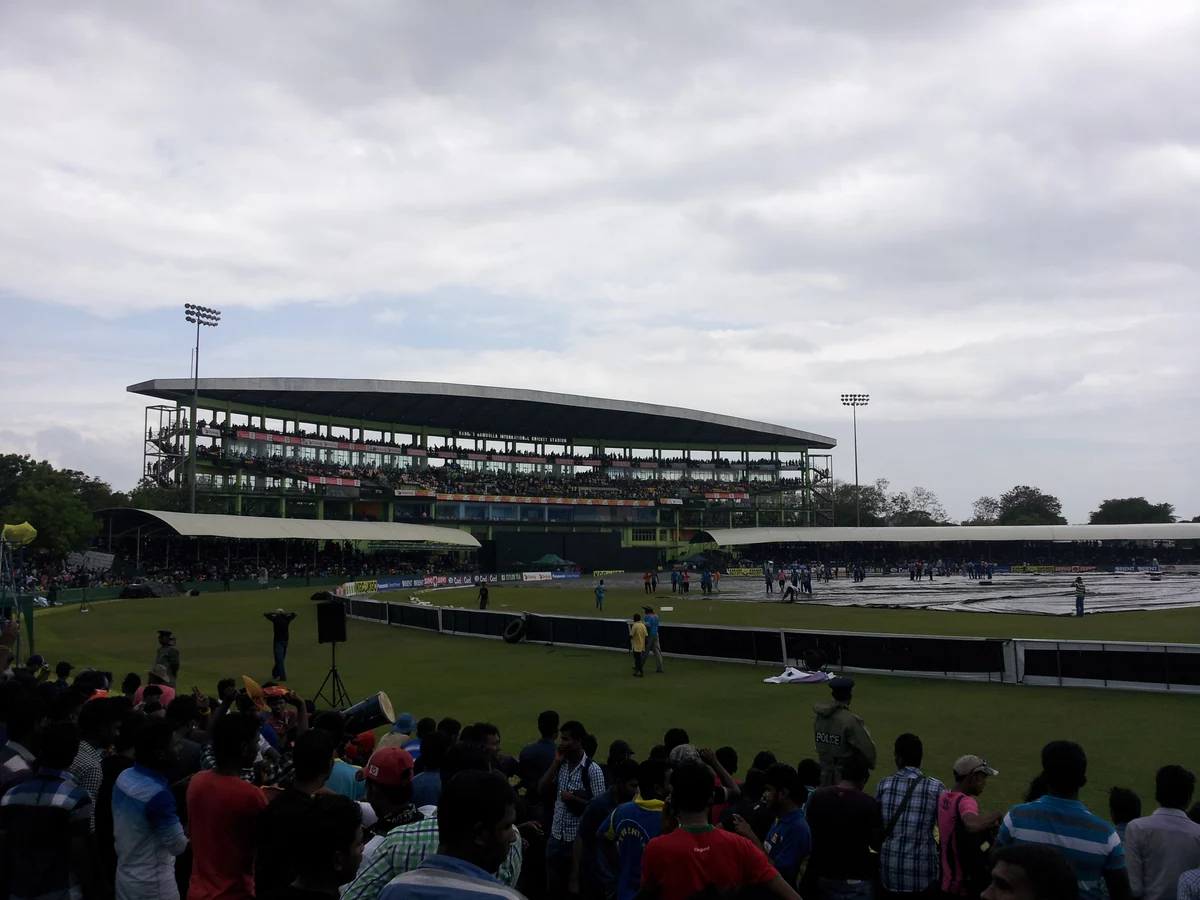
The 2026 India–Sri Lanka tri-series documented by the cricket boards was a men’s A-team one-day competition involving India A, Sri Lanka A and Afghanistan A. India A beat Sri Lanka A by 66 runs in the final at Rangiri Dambulla International Stadium on 21 June 2026.
The team suffix matters when searching for the competition. A short query such as “India vs Sri Lanka tri series 2026” gives the two sides that met in the final, while the Sri Lanka Cricket announcement gives the full field. Use all three A-team names when looking for the tournament as a whole, and use the two finalists’ names when looking for the deciding match.
The two official announcements establish different parts of the identification. Sri Lanka Cricket names the entrants and the season. BCCI identifies Dambulla with the one-day series and names Tilak Varma as India A captain in its squad announcement. Those details are useful when a search result has a shortened heading or places several India A engagements together. The final’s match centre supplies the date, stadium and result for the individual game.
Read the squad announcement as a record of the selection made for the series. A reader checking who actually played, kept wicket or captained in a particular fixture needs that fixture’s record. The announced captaincy can help identify the right competition, while a playing XI or match captaincy calls for evidence at match level.
Every Dambulla fixture and its result
Six league matches and the final took place at Rangiri Dambulla International Stadium from 9 through 21 June. The table gives each pair’s innings score and the published result, with the rain-adjusted and tied games identified. Search either A-team name or filter for DLS, Super Over or Final. Use the date and stage with those terms to find a scorecard for the precise fixture.
| Date | Stage | Recorded innings | Result |
|---|---|---|---|
| 9 June 2026 | Match 1 | India A 277/6 · Sri Lanka A 269 | India A won by 8 runs |
| 11 June 2026 | Match 2 | India A 349/9 · Afghanistan A 177/2 | Afghanistan A won by 4 runs, DLS |
| 13 June 2026 | Match 3 | Afghanistan A 245 · Sri Lanka A 231/2 | Sri Lanka A won by 8 wickets, DLS |
| 15 June 2026 | Match 4 | India A 265 · Sri Lanka A 265/9 | Tied; Sri Lanka A won the Super Over |
| 17 June 2026 | Match 5 | India A 319/9 · Afghanistan A 218 | India A won by 101 runs |
| 19 June 2026 | Match 6 | Sri Lanka A 322/8 · Afghanistan A 219 | Sri Lanka A won by 103 runs |
| 21 June 2026 | Final | India A 377/9 · Sri Lanka A 311 | India A won by 66 runs |
India A posted 377/9 in 50 overs in the final. Sri Lanka A was all out for 311 in 47.1 overs. The difference is the official 66-run result. The pair also played on 9 and 15 June, so check the date before quoting a number from a search result. The match-stage label is the simplest way to recognise the deciding fixture when several India A–Sri Lanka A records appear together.
Afghanistan A beat India A by four runs under DLS on 11 June, then lost the 17 June meeting by 101 runs. Sri Lanka A won both of its league meetings with Afghanistan A. The row for 13 June identifies the DLS chase. The row for 19 June records Sri Lanka A defending 322/8. These match records establish the outcomes without requiring a reconstruction of the tournament’s tie-break rules.
For a tournament archive, the stage field is as useful as the date. Example. If a second record turns up for India A against Sri Lanka A, its team names alone leave the stage unresolved. Compare the competition, date and match label before adding a row or treating the record as another copy of the final. Each distinct match should have one row, with its own venue and result where those details can be verified.
The one-day series and the multi-day programme
BCCI also describes a separate multi-day programme against Sri Lanka A. That creates a practical search problem. A result headed with India A and Sri Lanka A can sound relevant to the tri-series even when it describes the separate programme. Check the match format and competition label before using a fixture to answer a tri-series question. Afghanistan A’s inclusion in the host announcement helps identify the three-team competition when a listing groups several engagements together.
A reader finds a listing for India A against Sri Lanka A and wants to count it toward the tri-series head-to-head. Start by checking the format in the listing. If it says the match is part of the multi-day programme, leave it outside the one-day count. If it describes a one-day fixture, confirm the competition label before adding it. A listing with only team names needs a fixture announcement or match record to settle the classification.
Team names also need to stay intact when copying the result into a calendar or timeline. Record India A and Sri Lanka A in full so a later search or filter can distinguish them from senior national sides. Similarly, retain “one-day” as the format supported by the announcement. A database that requires a more specific match classification needs a source that explicitly confirms that classification.
The distinction affects which totals a reader can calculate. A tri-series win count takes only verified matches from that competition. A wider account of India A’s engagements in Sri Lanka could include the multi-day programme, provided it separates the formats and labels the scope of every count. The final can already support a statement about its own outcome. A claim about the overall head-to-head needs the other relevant results.
India A vs Sri Lanka A cricket results and the Doha semi-final
How to read DLS and the tied league game
Two league results used the Duckworth–Lewis–Stern method, shown as DLS. When a match uses a revised target, comparing the two raw totals can give the wrong winner. Afghanistan A’s 177/2 on 11 June was lower than India A’s first-innings total of 349/9, yet the official result was an Afghanistan A win by four runs under DLS. Use the result and method together.
The 13 June match is another example. Afghanistan A scored 245 and Sri Lanka A reached 231/2. The match coverage identifies a rain-reduced second innings and a DLS target of 231. Sri Lanka A won by eight wickets. The target explains why the chase finished with fewer runs than Afghanistan A had scored. Keep both the original total and the revised target when explaining the result.
On 15 June India A and Sri Lanka A both finished on 265. The recorded result was a tie with Sri Lanka A winning the Super Over. This covers two layers of the result, the tied main innings and the subsequent tie-break. A score listing that mentions only 265 for both teams omits how the league fixture was settled.
When two records disagree, first check that they describe the same match. Match stage and full team names are good starting points when similar fixtures appear in search results. If the match identity is clear, check for an explicit rescheduling notice or a corrected record and match that source to the detail in dispute. A verified venue change can be applied to the affected row without altering venue information for other games.
- Confirm the competition and one-day format before adding a fixture.
- Retain the full A-team names and check the match stage where available.
- Compare the announced date and venue with the completed match record.
- Copy the result and its margin or status from the individual match record.
- Resolve duplicate entries before calculating any team totals.
- Sri Lanka Cricket | 2026 A-team tri-nation announcement
- BCCI | India A tri-series squad and schedule
- BCCI | June 21, 2026 A-team tri-series final
- Willow broadcaster scorecard index for the seven matches
- Cricbuzz original one-day series scores and match reports
- Sri Lanka Cricket’s June 2026 one-day and four-day programme
Scorecards, ball-by-ball data and coverage
Choose the record that fits the reader’s question. The final’s match centre supports the winner, margin, date and venue shown here. A full scorecard is the next record to seek for team totals, individual scores and wickets. A delivery-by-delivery file serves a different purpose, such as checking when a wicket fell or reconstructing the sequence of an over. Each level of detail depends on finding a record for the same fixture.
Cricsheet is a source to check for completed-match data. Before using it to expand the archive, identify each file by the competition, teams and date, then compare its result with the corresponding match record. Track coverage by fixture so that readers can tell which games have delivery data. Finding a file for one match leaves coverage of the other matches an open question.
A reader wants to compare how India A finished its innings across the competition. Start with a verified set of matches in which India A batted, then establish which of those innings have sufficiently detailed records for the same comparison. A chart or statistic drawn from only the available innings would need to identify that scope. A verified result can still appear in the fixture archive when the underlying deliveries are unavailable.
A fixture row can carry an outcome without carrying every field that a statistics view needs. Before calculating a standings table, verify the full set of relevant results and the competition’s points and tiebreak rules. Before presenting a batting or bowling leaderboard, verify the match coverage and the definition of the statistic. Reuse terms also need checking before publishing extracts from a scorecard or distributing a data file.
The match centre and original broadcaster records show the difference between a bare score and an innings record. In the final, 47.1 indicates 47 overs and one legal ball, and a slash indicates credited wickets lost when shown. The table uses the published final innings totals and margin. For individual batters or bowlers, open the corresponding fixture rather than inferring player contributions from a team total.
Checking corrections and live-score claims
For a changing detail, check the board record closest to the claim. Use the host announcement for the competition’s identity, the squad notice for the original India A selection, and the individual match centre for the final’s recorded outcome. If a search preview and the match centre show different labels, open the record and compare the teams, stage and date together. Preserve any unresolved discrepancy in the research notes until the underlying record can be checked.
A reader finds a later listing that gives a different ground for the final. Compare its date and stage with the final’s match centre before treating it as a venue correction. Look for an explicit correction from the board if both records clearly describe the same game. A ground listed for an earlier match or a separate programme would have no bearing on the stadium in the final row.
A completed result, a published schedule and a live update carry different timing information. A live claim requires a feed that has been tested for competition coverage and update behaviour. A test would need to show that the feed identifies the correct A teams, reports match status clearly and supplies a reliable update time. An archive result from June answers the historical question on its own.
An archive correction should attach to the specific field that changed. A corrected stadium changes the venue field, while a newly verified earlier match adds a fixture row and may affect derived totals. Keeping those changes tied to their records makes it possible to check a disputed detail without rebuilding the tournament from search snippets. If a source only repeats an announcement, the corresponding field still needs separate confirmation wherever the page presents it as a completed match detail.
Sources
- Sri Lanka Cricket | 2026 A-team tri-nation announcement
- BCCI | India A tri-series squad and schedule
- BCCI | June 21, 2026 A-team tri-series final
- Willow broadcaster scorecard index for the seven matches
- Cricbuzz original one-day series scores and match reports
- Sri Lanka Cricket’s June 2026 one-day and four-day programme