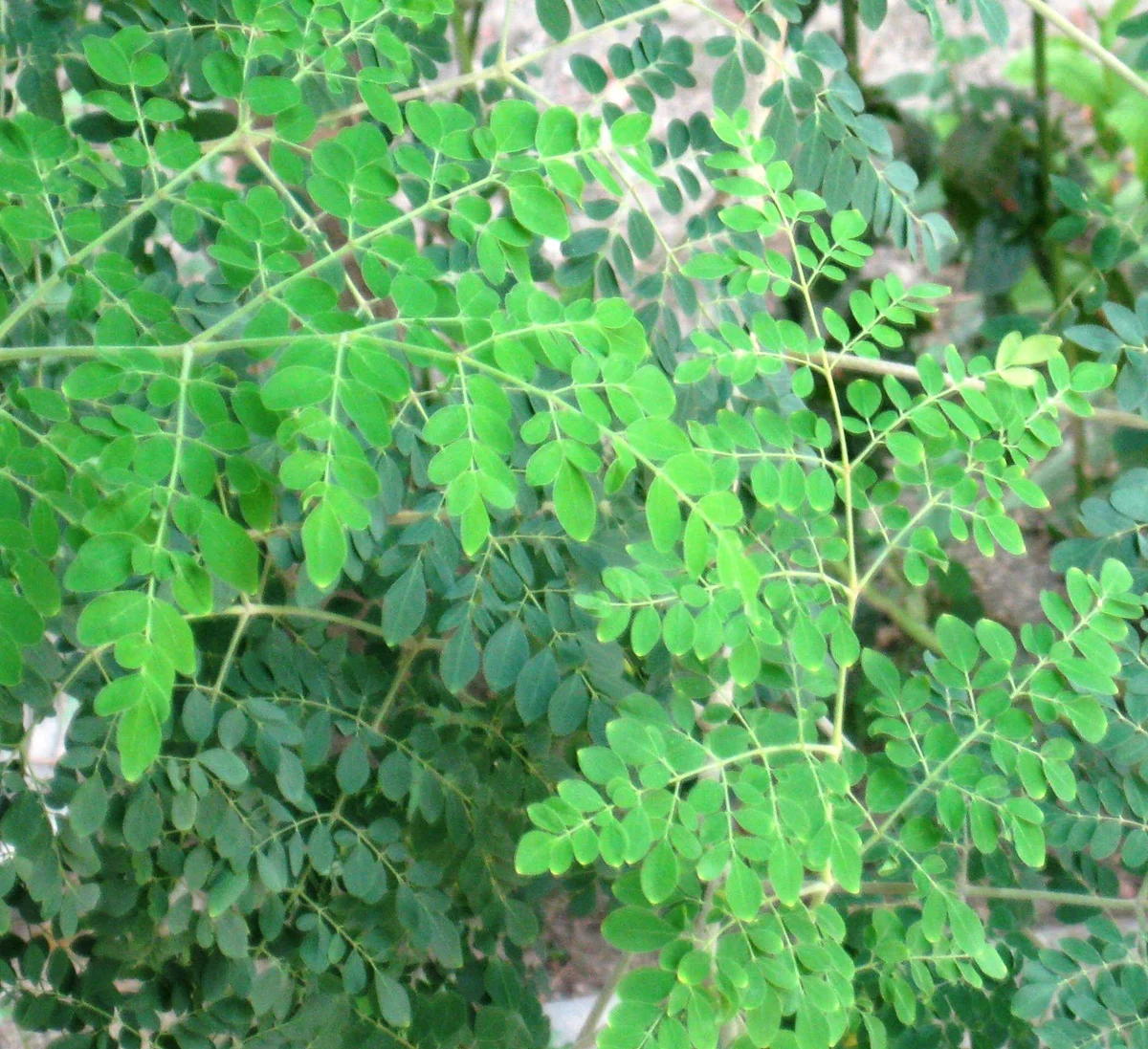
Choose by format and pack size
Organic India’s India storefront lists loose moringa leaf powder in 100 g and 200 g single packs, and moringa leaf capsules in packs of 60. At the recorded prices, the 200 g single had the lower cost per 100 g of the two powder singles, while buying two packs of 60 capsules gave the same cost per capsule as buying one.
The formats answer different shopping needs. Loose powder gives you an ingredient you can measure. Capsules give you individually counted units in a shell. The storefront describes the powder as naturally sun-dried moringa leaves and names organic Moringa oleifera leaf in the capsule ingredient field. The shared leaf ingredient tells you what to look for on both labels. The capsule shell and any quantity of leaf declared per capsule need their own checks.
Use the table to choose the quantity you want to buy in each format. The figures are recorded prices from the brand’s India storefront in rupees, before shipping and coupons. The two-pack of 100 g powder is omitted from the ranking because the product page and variant record showed different prices. The capsule bundle is included because its observed price matches across the two official records.
| Selected pack | Total quantity | Recorded price | Unit price |
|---|---|---|---|
| Powder single, 100 g | 100 g | ₹275 | ₹275 per 100 g |
| Powder single, 200 g | 200 g | ₹425 | ₹212.50 per 100 g |
| Capsules single, 60 count | 60 capsules | ₹265 | ₹4.42 per capsule |
| Capsules bundle, two packs of 60 | 120 capsules | ₹530 | ₹4.42 per capsule |
Compare the 100 g and 200 g powder singles
The 100 g single has the smaller upfront price. The 200 g single costs ₹150 more and supplies twice the listed weight. To compare a price you see later, divide the selected pack price by the total grams in that selection and multiply by 100. On the recorded prices, the larger single comes to ₹212.50 per 100 g, a difference of ₹62.50 per 100 g from the smaller pack.
Say you’re buying loose moringa for the first time and only want 100 g on hand. The smaller single meets that quantity at ₹275. If you know you want 200 g, the matching purchase comparison is one large single against two small singles bought individually. At the recorded prices, that is ₹425 against ₹550, a ₹125 difference before delivery charges or discounts. This calculation uses the individual 100 g price. It leaves the separately listed bundle price open.
If quantity on hand matters to you, check the date on the pack alongside the price. The powder page gives a shelf life of 36 months, which describes the product’s stated shelf life. The time left on the unit you receive depends on its own date marking. If you are comparing packs in a shop, read the date on each candidate pack and use the printed net weight when calculating the price per 100 g.
Check the two-pack of 100 g powder before ranking it
The two-pack contains 200 g in total, the same listed weight as the 200 g single. It is a separate selection with its own item code. The product page showed ₹550 for the two-pack, while the public variant record showed ₹230 with ₹550 as the comparison price. Neither observation establishes which amount a shopper would actually pay for that bundle. The two official singles provide a cleaner price comparison until the bundle figure can be confirmed.
To check the bundle, open the brand’s India powder listing, select the option for two 100 g packs, and read the price after the selection updates. If you add it to the cart for comparison, confirm that the line item still describes two 100 g packs. Keep the number of bundles in the cart separate from the pack count inside each bundle. One bundle should correspond to the two packs you’re comparing with the 200 g single.
The price difference matters even if the pack descriptions are clear. At the higher recorded figure, the two-pack would work out to ₹275 per 100 g. At the lower recorded figure, it would work out to ₹115 per 100 g. Those calculations use the same 200 g denominator and show how the discrepancy could change the ranking. Use a confirmed price for the selected bundle, and check any cart discount conditions before relying on the lower total.
Compare one capsule pack with two
The capsule listing showed ₹265 for 60 and ₹530 for the two-pack, which contains 120 capsules. Divide each total price by its capsule count. Both come to about ₹4.42 per capsule, rounded to the nearest paisa. The two selections have distinct item codes, so compare the total quantity and price attached to each option if the storefront changes.
Suppose you want 120 capsules and the cart offers either one bundle or two single packs. Before delivery charges and discounts, both purchases come to ₹530 at the recorded prices. The bundle gives you a single cart selection for two packs. If you only want 60 capsules, the single keeps the upfront spend to ₹265 and preserves the same recorded per-capsule rate. An offer that applies to only one selection could change that comparison.
Keep the arithmetic on a count basis. A pack of 60 states how many units are inside. It supplies no basis by itself for calculating grams of moringa leaf. If the specific carton declares an amount per capsule, note exactly what the quantity describes and whether it is expressed per capsule or per serving. The online ingredient field names moringa leaf. The physical label is the place to check for a separate declaration about the shell, especially when its composition matters to your purchase.
Read the India pack for ingredients, category and licence
Confirm the product name, format and quantity on the front, then look for the full ingredients, responsible business, licence or registration details, batch and date marking on the remaining panels. The India listings identify Organic India Pvt Ltd in Barabanki, Uttar Pradesh, and give India as the country of origin. Compare those details with the unit on offer. On an online marketplace, look for a readable image of the exact India pack or request one from the seller if the visible image stops at the front panel.
Organic India describes the powder as a whole-herb supplement and lists it under Herbal Supplements. Those are storefront descriptions. To establish how a specific India pack is classified, read its category wording and the accompanying licence line. Where the FSSAI packaged-food rules apply, the required label information includes the product identity, responsible food-business operator, FSSAI number, batch and date marking. Retail declarations about quantity and price follow the Legal Metrology requirements referenced by those rules.
If the package carries an FSSAI number, you can use the public FoSCoS food-business search to check the associated licence or registration. Compare the operator details in the search result with the relevant business details on the label. That search concerns the operator’s licensing or registration. The lot or batch printed on the individual pack serves a separate purpose, identifying the production batch for a product query. If you need to ask the seller or manufacturer about a specific pack, keep that code with the date marking and product name.

| Record | Its purpose |
|---|---|
| Powder label | Check stated net weight, ingredient and India label for the actual pack |
| Capsule product selector | Check pack count, chosen option and whether a unit is a single pack or bundle |
| Two-pack powder discrepancy | Confirm the actual selected amount when the webpage and variant record differ |
| PIN and delivery | Check whether the chosen variant can be delivered to your address |

Keep weight, count and health claims separate
The weight of a powder pack measures the contents sold. A capsule count measures the number of pieces sold. A serving declaration, if present, describes a portion defined on that pack. Keep all three attached to their units when comparing labels or when transcribing details from a photo. A number that appears beside a serving statement needs the full wording around it, especially when the serving consists of more than one unit.
A buyer looking at the ₹275 powder and the ₹265 capsule pack can compare their upfront cost immediately. The ₹10 difference describes that purchase only. A comparison of leaf quantity would require a verified leaf amount for the capsules and a consistent measurement basis. Even a verified quantity would establish how much declared material the pack contains. A claim about equivalent use or health effects would require separate evidence and qualified review.
Apply the same distinction to claims you encounter on a listing or carton. FSSAI’s food advertising rules distinguish among types of claims and require support for claims about nutritional or health attributes. The brand’s ingredient wording can help you identify the product you’re comparing. Claims about what someone might experience require evidence for the specific outcome. Use the package and listing for product identification, quantity and price, and keep medical outcomes and personal suitability outside that purchasing comparison.
Organic India triphala powder and capsules, pack prices and labelsOrganic India tulsi teas, herbal infusions, blends and prices
Verify the price and delivery for your order
The manufacturer’s public records marked the listed powder and capsule variants available when captured. That flag concerns the online seller’s variant record. For a current purchase, select the exact pack size or capsule count on the India storefront, verify the line item, and check whether it can be delivered to your PIN code. For a local purchase, confirm the shelf stock and price with the shop and compare the physical pack’s quantity and date marking.
Organic India’s India direct shipping policy gives a delivery estimate of three to five working days from ordering and describes free shipping as conditional. Use the order screen for the charge and delivery information tied to your address. If you’re comparing two pack selections and one changes the delivery charge, calculate the unit price again using the amount payable for each purchase. Use grams for the powder and capsule count for the capsules, and apply only discounts that appear on the order you are pricing.
For a mixed cart, distinguish the product line price from charges or discounts applied to the order as a whole. If you want to know which pack costs less to buy on its own, compare each option in a cart containing only that selection at the same delivery address. If you are adding moringa to an order you already plan to place, look at how much the payable total changes when you add the pack. That gives you the extra spend for the purchase you’re considering.
Sources
- Organic India India storefront, Moringa Powder product and label
- Organic India India storefront, Moringa Capsules
- Official India public Moringa Powder variant records
- Official India public Moringa Capsules variant records
- FSSAI general packaged-food label rules and licence verification
- Organic India India direct shipping policy
- Moringa leaves photographed in Kolkata, licensed contextual image
- FSSAI food advertising and claims regulations
