Where to start and what to check
Start with Delhi, Agra and Jaipur for the Golden Triangle, or build a separate Himalayan foothill stay around Dharamshala and McLeod Ganj. Use Delhi as a candidate gateway for the triangle, then confirm your arrival terminal, onward departure point, site access and any uphill walking before you commit to bookings.
| Destination | What the official sources identify | What to verify for your dates |
|---|---|---|
| Delhi | India Gate, Red Fort and Lotus Temple are distinct sites in the official tourism directory | Site hours, entry rules and travel between your accommodation and each stop |
| Agra | One of the three cities on the Ministry of Tourism’s Golden Triangle itinerary | Opening and ticket rules for the specific sight you choose, plus the transfer from your arrival point |
| Jaipur | A Golden Triangle stop and a place to look for Rajasthan’s dal baati churma | Opening days for your chosen sights and meal service at a venue you plan to visit |
| Dharamshala and McLeod Ganj | Kotwali Bazaar is in lower Dharamshala, while McLeod Ganj sits higher up | The location and approach to your lodging and current access to any planned walk |
Use the table to decide which stop deserves an overnight stay. A city can work well as a gateway if your arrival leaves enough time for the transfer and the first visit. It may work better as a base if your plans cluster around several places or if you need a flexible start. For a walking-led stay in the hills, the location of your room can affect the day as much as the attractions you pick.
Build the first version of the plan around the detail most likely to constrain it. That could be an onward departure from a particular station, an attraction you especially want to see, or a final stretch to accommodation that someone in your group would find difficult with luggage. Check that detail on your actual date before arranging the rest of the day around it. Keep a second activity in the same area in case access changes.
How to read a North India map
Use North India as a geographic description with a scope that depends on the map or guide you are reading. The National Portal of India describes four broad mainland landform regions: a mountain zone, the Ganga and Indus plains, a desert region and the southern peninsula. Its account of the northern alluvial plains draws on the Indus, Ganga and Brahmaputra river systems. The same source describes the Himalayas as three broadly parallel ranges separated by valleys and plateaus.
Administrative boundaries answer a different travel question. Delhi is a union territory with a legislative assembly. Haryana borders it to the north, west and south, and Uttar Pradesh lies across its eastern boundary. Those details help you place Delhi on a political map. For a booking, use the full place name and address shown by the operator or property, especially when several search results use Delhi as their broad location.
Start with a regional view to locate the three Golden Triangle cities and the separate hill stay. Zoom in once you begin comparing lodging, walking or transfers. A straight line between two pins gives you a sense of their relative positions. For travel planning, look at the actual approach, the points where you change vehicles and the terrain of the final stretch. Use the name on your ticket or booking confirmation to locate an entrance or pickup point, since a city label or attraction pin may sit some distance from it.
Choosing a gateway and allowing for the transfer
Delhi is a logical candidate for a Golden Triangle gateway because it is already one of the three stops. Build the route from the place and time you will actually arrive. For a traveller already in India, that can mean comparing onward departures from the city with the convenience of starting at another stop. For a traveller coming from the US, compare the arrival time on the India leg with the local departure time of any separately booked onward journey. Put both times on the same local calendar before committing.
Check the transfer as a complete trip between two addresses. Include the time to get out of the arrival terminal or station, reach the onward departure point and find the correct entrance. If you plan to go straight to accommodation, confirm how late you can arrive and ask for the pickup or drop-off point in writing when the address is ambiguous. An itinerary can look straightforward at city scale while leaving very little room for these steps.
Example: A traveller comparing a Delhi arrival with an onward departure that same day would check the two terminals or stations and the operator’s boarding cutoff. If the time between them leaves little room for a delayed arrival, the traveller could start the route with a Delhi stay and move the onward leg to a later date. The same check applies to the return if an international flight depends on arriving from another city.
Building a Golden Triangle route
The Ministry of Tourism’s Golden Triangle itinerary connects Delhi, Agra and Jaipur. Use those three cities as the route framework and order them around your confirmed connections and the sights you most want to visit. The official itinerary highlights Rashtrapati Bhavan and Red Fort in Delhi. The official Delhi destination directory also lists India Gate and Lotus Temple. Treat each as its own stop when checking location, hours and the kind of visit available.
Choose an anchor visit in each city before filling out its day. Locate the anchor’s visitor entrance, then compare it with your lodging and departure point. Give a city more time if its anchor visit sits on the same day as a transfer or if your group wants several stops spread across town. If you have a tight stay, a nearby market or meal can be easier to fit around a visit than another timed entry across the city.
Example: With a Delhi arrival and a confirmed onward departure from Jaipur, a traveller could plan Delhi, then Agra, then Jaipur. They could give Agra an overnight stay if their chosen visit fits best before the following departure. Example: A traveller returning through Delhi could compare both city orders against the available connections and move a Delhi sightseeing block to the end if that puts them in the city before their return trip. These sequences are planning examples. Check services for the actual dates before booking either one.
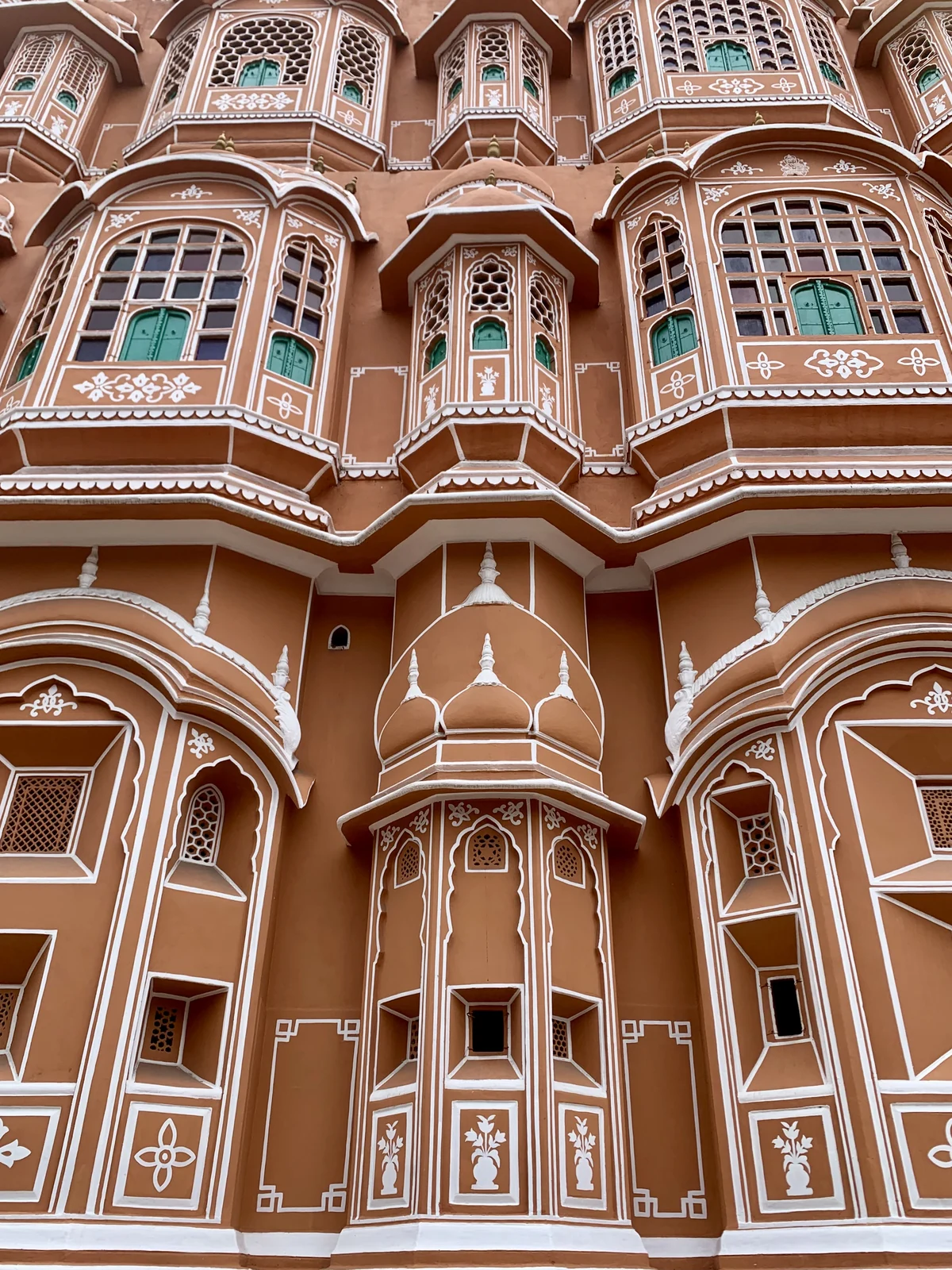
For Agra, the monument authority publishes a separate calendar and ticket structure for the Taj Mahal. If the Taj visit anchors your route, check its Friday schedule first. Agra Fort is a separate site, so verify its own hours before pairing the two. In Jaipur, the street-facing Hawa Mahal and the entrances to its visitor spaces are different experiences. Factor in which parts you want to see when planning the day.
India Gate Delhi: the arch, Kartavya Path and National War MemorialThings to do in Delhi: one, two and three-day itineraries
Planning a Dharamshala and McLeod Ganj stay
Himachal Tourism puts Kotwali Bazaar in lower Dharamshala and describes McLeod Ganj as higher up, among pine, cedar and Himalayan oak. Choose the base by looking at the places you expect to visit most often. If a listing uses Dharamshala in its title, read the address closely enough to establish the neighbourhood. Ask the property where a vehicle can drop passengers, whether reaching the entrance involves stairs or a slope, and what the approach is like with bags.
Himachal Tourism describes the walk to Bhagsunag Falls as uphill from near Bhagsunag Temple. It also places St John in the Wilderness in woodland at Forsyth Ganj and dates its construction to 1852. Treat those as distinct visits when planning the day. Check the current path condition and any access restrictions near the date of the walk. Choose a fallback based on how much walking the group wants, and confirm its access separately.
Example: A group interested in the falls could pick a base after comparing the approach from its lodging with the start of the walk. A traveller chiefly interested in Kotwali Bazaar might build the stay around lower Dharamshala and check the transfer uphill for a separate outing. If you are adding the hills to the Golden Triangle, reserve a distinct block for the stay and check the complete connection between the two parts before deciding how many visits to schedule on the transfer day.
Dharamshala and McLeod Ganj can be planned as separate neighbourhood reference points even when you stay in the same wider destination. The Himachal Tourism guide distinguishes the lower bazaar area from the higher settlement. Map your actual accommodation before deciding whether a walk and a return transfer fit the same day. The elevation change has more practical effect than being shown in the same city label.
People, languages and food along the route
The phrase “North India people” covers a broad set of places and communities. Use the city, neighbourhood or community name when researching a particular language, tradition or history. The places in this guide give you several useful starting points. Delhi’s tourism directory includes monuments, markets and food, while the Himachal source distinguishes a bazaar area from the higher wooded setting around McLeod Ganj. Those are specific places to explore, each with its own daily patterns.
For practical language planning, check what your lodging, transport provider or guide can support. Keep the destination name and address from your booking handy for a driver or station worker. At a place of worship or a small venue, look for posted visitor guidance or ask the people responsible for the site about photography and any rules that apply that day. For a public event, look up the organiser and confirm that visitors can attend.
Rajasthan Tourism describes dal baati churma as a combination of lentils, round wheat breads and a sweet crumbled cereal preparation. It gives red chilli and garlic chutney as accompaniments. That description can help you recognise the dish on a Jaipur menu and check what the venue serves with it. If an ingredient matters to you, ask the kitchen about that preparation. Menus and accompaniments are details to confirm with the venue.
Verifying access before you leave
Use tourism pages to identify places and establish the broad route. For the details that can change between planning and travel, consult the organisation responsible for the specific service or site. An attraction operator can confirm visitor entry, a transport operator can confirm a departure, and your accommodation can clarify the final approach. For a hill walk, check the latest weather and local access information close to the outing.
- Match each booked transport leg to the exact station or terminal and the local date.
- Confirm the visitor entrance, last entry and any timed ticket requirements for each anchor sight.
- Check the final stretch to hill lodging with the property if gradient, stairs or vehicle access affects your group.
- Recheck hill access after disruptive weather and confirm the condition of the specific path you intend to walk.
Check the date attached to an announcement and compare it with your visit date. A listing may describe ordinary opening hours while a separate notice covers a closure, special event or change of entrance. If the information conflicts, use the site’s visitor contact or booking channel to confirm the exact day and time. Save the confirmation with the address so everyone in the group can use it on the move.
Example: A traveller planning a Delhi visit around Red Fort could confirm its entry arrangements before committing to an onward departure, then check the transfer from the actual visitor exit. If the visit no longer fits, they could place it in a different Delhi block and check a nearby option for the time left. In Dharamshala, the same approach means checking the specific falls path before leaving and keeping a second activity whose location and access suit the group.
Sources
- National Portal of India: Physical Features
- Government of the National Capital Territory of Delhi
- Rajasthan Tourism: Rajasthani Cuisine
- Incredible India | Delhi
- Ministry of Tourism | Traversing the Golden Triangle
- Himachal Tourism | Dharamshala
- Taj Mahal official visitor timings and Friday closure
- Rajasthan Tourism | Jaipur and Hawa Mahal