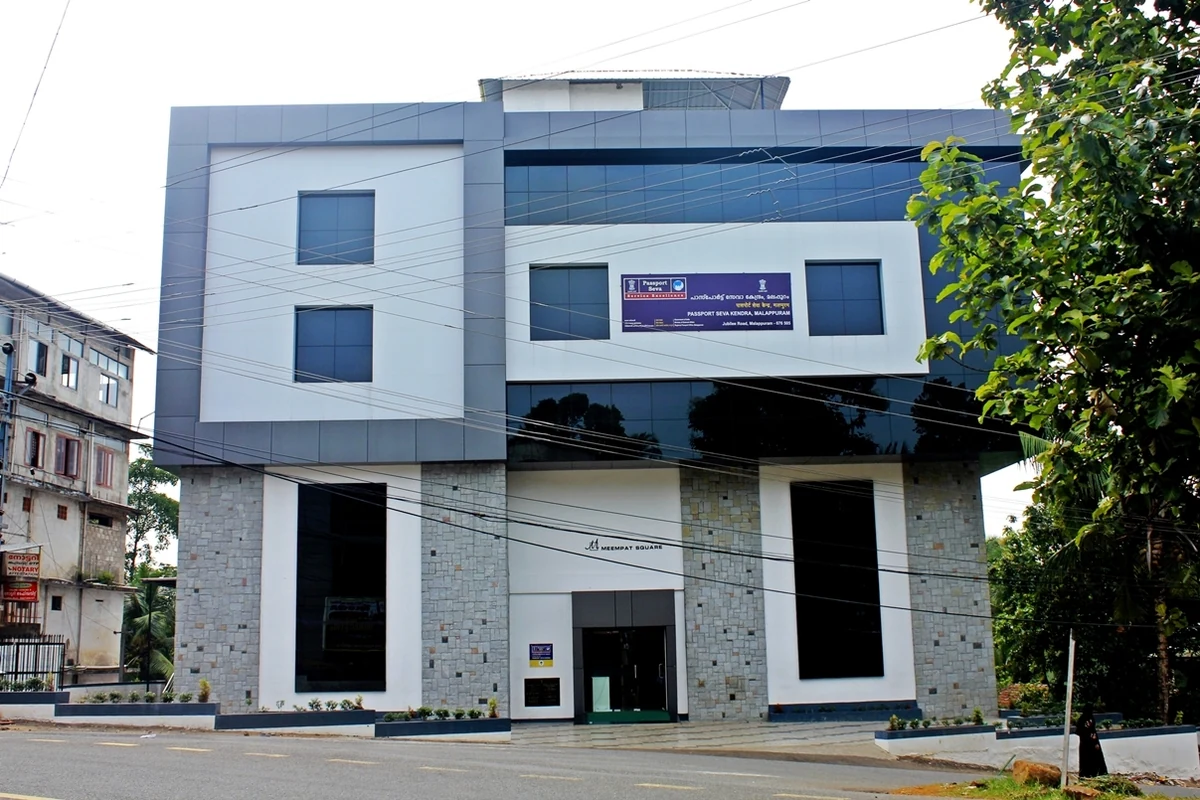
Choose the right reissue reason
Renew an existing or previously held ordinary Indian passport in India by applying for Reissue through Passport Seva. Select the reason that fits your case, check its fees and document requirements, submit the form, then follow the payment and booking prompts and attend the assigned office with your originals and applicable self-attested copies.
Passport Seva distinguishes expiry or approaching expiry, exhausted pages, changed details, loss and damage. Start with the condition of your old passport and the particulars you need on the new one. Your answers determine which requirements to check. The reason can affect the fee, the evidence you must bring and how police verification is handled, so make this choice before using a document list or comparing application schemes.
Say your passport is still valid and you can produce it, but you have used up its pages. Check the exhausted-pages reason and its document list. If you also need to change the address shown in your passport, check how the form handles that change and what evidence it requires. The list for exhaustion alone answers only part of your document question. Resolve both points before paying or booking the visit.
The distinction between fresh issue and reissue turns on whether you have held a passport before. If an old passport expired some time ago, use the reissue guidance to identify the applicable expiry reason and its requirements. The workflow here covers ordinary passports through the domestic service. Applicants using an Indian mission abroad should check the instructions for that mission and its application provider.
Build your document checklist
For ordinary expiry or exhausted pages, start with the original old passport and self-attested copies of its first two and last two pages. Check the current instructions for any pages covering Emigration Check Required status, observations or a short-validity extension. If the checklist calls for one of those pages and it appears in your passport, include its copy even when it falls outside the first and last pairs.
Work from the current national Passport Seva requirements for your individual application. The Pune checklist illustrates how a regional office describes originals and copies for a normal adult application. Use the national requirements to resolve which documents apply when your application involves a minor, an address change, another change of particulars, or a lost or damaged passport. Those details can change what you need to establish at the visit.
Suppose your passport has expired and you also need a different name printed on the new one. Prepare the old passport and the applicable page copies, then check the current list for the specific name change you are declaring. Compare the spelling you intend to enter with the records you plan to present. If the records differ, find out which evidence Passport Seva accepts for that change before submitting the form.
Use the completed form to make a final pass through the documents. For each item on the official list, identify the original you will show and the self-attested copy you will hand over, where required. Check that the passport page numbers you copied match the instructions and that the relevant entries are legible. This is especially useful when several copies look similar or an observation appears on a page you would otherwise skip.
Calculate the fee for your case
The fee revision effective 1 July 2026 sets the base fee for a common ten-year ordinary reissue at ₹2,500 for 36 pages and ₹3,500 for 60 pages. Those amounts cover the standard fee rows, including reissue for exhausted pages. Where the case qualifies for Tatkaal, the additional fee is ₹2,500, making the corresponding totals ₹5,000 and ₹6,000.
| Application and booklet | Base fee | Total with Tatkaal where eligible |
|---|---|---|
| Standard ten-year reissue, 36 pages | ₹2,500 | ₹5,000 |
| Standard ten-year reissue, 60 pages | ₹3,500 | ₹6,000 |
| Ten-year replacement for loss, damage or theft, 36 pages | ₹5,000 | Check scheme eligibility separately |
| Ten-year replacement for loss, damage or theft, 60 pages | ₹6,000 | Check scheme eligibility separately |
| Standard minor application, 36 pages, five years or until age 18, whichever comes first | ₹1,750 | Check the calculator for the individual case |
If you travel frequently and your 36-page passport has run out of space, the standard ten-year 60-page booklet adds 24 pages for ₹1,000 at the revised base rates. That is the cost of choosing more pages in this case. If you are replacing a lost, damaged or stolen passport, look up the replacement row for the booklet size you need. A 36-page ten-year replacement starts at ₹5,000, the same amount as a standard 36-page ten-year reissue with Tatkaal.
For a child, check the validity and booklet category before reading the price. The ₹1,750 row applies to the standard 36-page minor application with five years of validity or until the child turns 18, whichever comes first. Passport Seva confines its age-based discounts to fresh applications. Before paying, use the official Fee Calculator with your application category, reason, booklet and scheme, as applicable. This also lets you verify whether the published rates have changed since the July revision.
Decide whether Tatkaal fits your deadline
Tatkaal is a separate application scheme with eligibility restrictions and additional document rules. Check Passport Seva’s current Tatkaal guidance against your reissue reason and circumstances before choosing it in the application. Then check whether you can meet the scheme’s document requirements. The fee table gives the amount payable in an eligible case. Passport Seva’s scheme rules determine whether that amount applies to yours.
The July 2026 Citizens’ Charter lists up to three working days for eligible Tatkaal cases under the stated scheme condition. For ordinary reissue, the Charter lists up to seven working days where pre-police verification is unnecessary and up to 30 working days where police verification is required, excluding the verification period. Use those figures for the passport service stage. Check appointment wait, any request for additional evidence and postal delivery separately.
Suppose a work trip is ten calendar days away and your case qualifies for Tatkaal. Look at the earliest appointment you can actually book and count the working days still available after that visit. If the available appointment takes up most of the window, the three-working-day service figure leaves little room for the passport to reach you. If you can book an earlier visit and meet the additional document requirements, evaluate that date alongside the time you need for delivery. A useful comparison starts with real appointment options for both schemes and ends on the day you need the passport in hand.
Submit the form and book the visit
Register or sign in on Passport Seva, start the reissue application, and select the reason and scheme you have checked. Before submitting, review the personal particulars, old passport details and any changes you entered against the documents you will bring. Give extra attention to fields that explain why you are applying. Those entries help identify the relevant document requirements and fee, so check them while you can still review the form.
Follow the portal’s prompts for payment and booking. The official appointment page and office finder help you plan for a Passport Seva Kendra or Post Office Passport Seva Kendra. Use the finder for location information and the booking flow for the slot you can actually select. A published local appointment release time describes when slots may be made available. Check the booking screen for current availability and rely on your appointment confirmation for the assigned office and visit details.
Passport Seva says you must resubmit the online form if you fail to visit the Passport Seva Kendra within 90 days of online submission. Count that period from submission and check the appointment date against it. Payment validity and the conditions attached to a booked slot are separate matters. If you need to change the visit, read the current instructions shown for your booking and check whether the new date still falls within the submission window.
Take the required originals and applicable self-attested copies to the office named in your confirmation. Review the instructions attached to that appointment close to the visit, especially if the office finder showed more than one centre with a similar name. Keep your application reference available for later tracking. If the office asks for another document, record exactly what it requests and follow the instructions it gives for providing it.
Check police verification and track delivery
Police verification can take place before issue, after issue, or be waived where applicable. Read the current Passport Seva mode guidance for your case and use the application’s actual status to see what is happening. When verification must occur before issue, it can affect when the application proceeds. When verification follows issue, there can still be a verification step after the passport has been issued. The applicable mode matters when you interpret both the service timeline and the tracking updates.
After submission, use the public tracking page linked from Passport Seva and enter the details it requests. If the status points to verification or additional evidence, follow the official instructions for that stage. The Charter’s ordinary reissue timeline for cases that require police verification excludes the verification period. If your application is at that stage, allow for that interval separately when estimating when the passport might arrive.
If tracking shows dispatch and you still have no passport, use any postal tracking details supplied for the shipment to check delivery. Dispatch marks the movement of the passport into the delivery stage. It can still take time to reach the address, so use receipt of the passport in hand as the milestone for a trip that depends on it. If the public status remains at an earlier stage, use that status and any case-specific instructions to identify what is still pending.
| Reissue or scheme scope | Published processing target | Timing scope |
|---|---|---|
| Ordinary reissue without pre-police verification | Up to 7 working days | Service target. Check appointment and delivery separately. |
| Ordinary reissue requiring police verification | Up to 30 working days | Excludes the police-verification period |
| Eligible Tatkaal cases | Up to 3 working days | Subject to the scheme conditions in the Charter |
Use the working-day figures for the processing stage named in the Charter. A date on an appointment confirmation is the start of an office visit, and a dispatch status records a different step in the delivery process. Keep the appointment, applicable verification, processing and postal stages separate when you compare the Charter figures with the status of an application.
Sources
- Passport Seva apply for reissue of an Indian ordinary passport within India
- Ministry of External Affairs July 2026 passport fee revision and calculator
- Ministry of External Affairs July 2026 Citizens’ Charter
- Passport Seva Tatkaal restrictions and domestic appointment lookup
- Passport Seva official application service
- Passport Seva Pune normal adult application checklist
- Passport Seva office finder for PSK and POPSK locations