What the Tower of Silence is and where to learn about it
Mumbai’s Tower of Silence refers to the Parsi Zoroastrian funerary structures, called dakhmas, on the Doongerwadi estate in the wooded Malabar Hill area. Treat the estate as a private place of funerary rites and go to the F. D. Alpaiwalla Museum to see a dakhma model or read its gallery text online.
The English name is singular, which can make a search result sound like the address of one monument. Doongerwadi is the estate, and a dakhma is an individual structure used in the funerary tradition. The Bombay Parsi Punchayet, which manages Doongerwadi, describes five dakhmas built historically from 1672 onward. That count describes the estate’s development. An account of how many are in use today would need separate confirmation.
The city’s heritage record places the dakhmas in the history of Malabar Hill and identifies their connection to Parsi religious practice. The managing trust describes the estate in terms of its continuing funerary role and publishes no general visitor access, tours, admission arrangements or timetable there. A heritage listing documents why a place matters. Public visits depend on arrangements made by the institution responsible for it.
This distinction also helps when a search for ‘Tower of Silence India’ brings up several kinds of result. Use Doongerwadi to identify the Mumbai estate in historical or heritage records. Use F. D. Alpaiwalla Museum when looking for the public exhibit, its address or opening hours. The museum offers a way to examine the form of a dakhma within an explanation prepared for visitors.
What a dakhma is used for
The Bombay Parsi Punchayet identifies Doongerwadi with Dokh-me-nashini, the funerary tradition for which the estate is used. The F. D. Alpaiwalla Museum describes a dakhma as a circular religious funerary structure open to the sky. Use the two terms at different scales. Dokh-me-nashini names the tradition, while dakhma names the structure associated with it. The museum’s model lets a reader connect the name to the building’s form.
The museum frames the practice through the religious treatment of earth, fire and water. That framing helps explain why an account of a dakhma includes both the treatment of the dead and the religious significance attached to those elements. Attribute the explanation to the museum, whose gallery introduces the tradition for a general audience. Observance can vary across communities and periods, so keep the account anchored to the institution and setting being described.
A fire temple serves a different religious role from a dakhma. If the two appear together in reading about Parsi Zoroastrian life, it helps to identify the function of each before drawing conclusions from their shared religious setting. For the Mumbai Tower of Silence, the relevant context is funerary practice, the estate where it takes place and the public museum interpretation. The reference to fire in the museum’s account belongs to its explanation of the practice.
For a school explanation, the exhibit text and the model give enough material for a focused question about how religious purpose shapes a building. Start with what the museum explicitly identifies, including the circular form, the opening to the sky and the funerary function. That gives the discussion a specific object and a published interpretation, with room to distinguish what the model shows from what the accompanying text explains.
How to read the Mumbai historical records
The Maharashtra State Gazetteers describe towers and related practices in historical Bombay. That makes the gazetteer useful for identifying how the subject was recorded in the city’s past. When taking notes, put descriptions of the site and practice alongside the period the account covers. Treat details about who could go where or descriptions of how a place was approached as statements about the conditions recorded at the time.
For the building sequence, the managing trust supplies the useful starting point of 1672 onward. In a timeline, attach that date to the historical construction of dakhmas at Doongerwadi. A date attached to the whole estate, to every structure or to a claim about present operation would make the timeline say more than the trust’s statement supports. The municipal heritage record serves another purpose by locating the structures in Malabar Hill and recording their religious association.
Suppose you are captioning a timeline that moves from historical Bombay to present-day Mumbai. You could use the trust’s construction chronology for the estate entry, cite the gazetteer for an account of the towers in Bombay and use the municipal record for the heritage context. Give each source its own claim. This keeps a historical description from acquiring a modern meaning just because it sits beside a current place name.
Where to go for a public visit
The F. D. Alpaiwalla Museum is in Khareghat Memorial Building in the Kemps Corner–Hughes Road area. It is administered by the Bombay Parsi Punchayet, and its funerary practices gallery displays a dakhma model. The building name and the museum name are the useful identifiers for travel planning. The estate name belongs in the background reading about the tradition.
| Record or destination | Type | What it covers | Published visitor detail | Source |
|---|---|---|---|---|
| Bombay Parsi Punchayet Doongerwadi | Managing trust record | Community estate and history of Mumbai’s dakhmas. | Use the trust’s documentation as historical and religious context. | Managing trust’s Doongerwadi record |
| Mumbai Legacy Project | Municipal heritage record | Cultural significance of the Malabar Hill dakhmas. | Read the heritage entry online. | Mumbai heritage documentation |
| F. D. Alpaiwalla Museum | Public museum and gallery | Dakhma model and Parsi funerary-practice exhibit. | Published 10:30–17:30 Monday–Saturday with Sunday and holiday closures. | Alpaiwalla Museum hours and holidays |
| Alpaiwalla Museum accessibility | Public museum access information | Ramp and ground-floor wheelchair access. | Check exhibit level and assistance with the museum. | Alpaiwalla Museum accessibility page |
| Chhatrapati Shivaji Maharaj Vastu Sangrahalaya | Separate public museum | A separate South Mumbai arts and history stop. | Published 10:15–18:00 with ticket counter closing at 17:45 and dated holiday exceptions. | CSMVS visitor information |
The museum’s directions put the walk from Grant Road station on the Western Railway at about 15 minutes and give a taxi as an alternative. Use the operator’s estimate as a planning reference for the museum. Whether walking suits your visit depends on your pace and mobility needs. If you are meeting someone there, share the museum name and Khareghat Memorial Building so that both of you are planning for the same destination.
Choose the physical visit if you want to spend time with the model and its interpretation as a museum exhibit. Choose the online gallery text if your main question is what a dakhma is or how the museum explains its religious context. The online material also provides a way to settle those questions before deciding whether the gallery needs a place in a short Mumbai itinerary.
- Bombay Parsi Punchayet — Doongerwadi estate
- F. D. Alpaiwalla Museum — Funerary practices gallery
- F. D. Alpaiwalla Museum — Published hours and holidays
- F. D. Alpaiwalla Museum — Directions and step-free scope
- Mumbai Legacy Project — Tower of Silence heritage record
- F. D. Alpaiwalla Museum’s accessibility information
How to check opening hours, admission and wheelchair access
The museum publishes ordinary hours of 10:30 to 17:30, Monday through Saturday. It closes on Sundays and on some public or bank holidays. Its 2026 holiday list includes 25 December, and the operator asks visitors to confirm public holiday visits in advance. For a specific date, check the museum’s hours and holidays page and read the holiday list alongside the weekly schedule.
An older introduction from the trust refers to restoration work. For a decision about when to visit, use the museum’s own visitor information, which publishes ordinary visiting times. If your plans depend on the cost of admission, confirm the current terms with reception. The available visitor material gives no dependable current charge, so the hours are the part of the plan that can be taken directly from the published schedule.
The museum says it has an entrance ramp and that wheelchair access currently covers only the ground floor. If you use a wheelchair and the dakhma model is the reason for your trip, ask reception whether that display is on the accessible level and whether staff can assist when you arrive. The ramp tells you about entry into the building, while the exhibit’s floor determines whether you can reach the display itself.
If you are planning for Friday, 25 December 2026, the holiday entry takes precedence over the ordinary Friday schedule. Confirm the date with the museum before committing travel time, or use the online funerary practices text that day. This is a case where the weekly opening pattern, taken on its own, would leave out the detail that determines whether the visit is possible.
Ask reception about two separate parts of the visit if you need a step-free route. The operator documents a ramp at the entrance and describes wheelchair access on the ground floor. An accessible entrance alone cannot tell you whether a particular model or text panel is in an accessible gallery. Name the funerary-practices exhibit when asking. The museum also publishes different information for ordinary days and public holidays, so check the date and the part of the building you want to see together.
What to do on a Sunday or when time is short
Chhatrapati Shivaji Maharaj Vastu Sangrahalaya, often abbreviated CSMVS, is a separate public museum in south Mumbai for city history and the arts. It publishes ordinary visiting hours of 10:15 to 18:00 daily, with the ticket counter closing at 17:45. The operator also publishes holiday and gallery closures. Check those for the date and any gallery you want to see, especially if you are leaving the visit until late in the day.
If Sunday is your only day in south Mumbai and you want both the Parsi context and an in-person museum visit, read the Alpaiwalla funerary practices gallery online and consider CSMVS for the physical stop after checking its calendar. The two resources serve distinct interests. The online text answers the question about the dakhma, while the museum visit gives you time with broader history and art collections.
If seeing the dakhma model is the priority, build the outing around a confirmed visiting window at F. D. Alpaiwalla Museum. CSMVS makes sense as a separate choice when you have time or want a broader museum visit. For a reader researching only the term, the online exhibit can be the entire visit. Use its description of the structure and its religious setting as the basis for your notes, and use the gazetteer separately when your question concerns historical Bombay.
For a study visit, use the museum’s own online display to read the description of the model before comparing it with the managing trust’s context about Doongerwadi. The city heritage record situates the site in Mumbai’s history. Each source has a different role, which is helpful if the public museum is closed on your day or you need to cite the religious practice with care.
Indian architecture, six buildings and what to look for
- F. D. Alpaiwalla Museum — Funerary practices gallery
- F. D. Alpaiwalla Museum — Published hours and holidays
- CSMVS Mumbai — Public museum hours and admissions
- Bombay Parsi Punchayet — Doongerwadi estate
- F. D. Alpaiwalla Museum — Directions and step-free scope
- F. D. Alpaiwalla Museum’s accessibility information
Sources
- Brihanmumbai Municipal Corporation: Tower of Silence Heritage Record
- Maharashtra State Gazetteers: Towers of Silence
- Bombay Parsi Punchayet — Doongerwadi estate
- Mumbai Legacy Project — Tower of Silence heritage record
- F. D. Alpaiwalla Museum — Funerary practices gallery
- F. D. Alpaiwalla Museum — Published hours and holidays
- F. D. Alpaiwalla Museum — Directions and step-free scope
- CSMVS Mumbai — Public museum hours and admissions
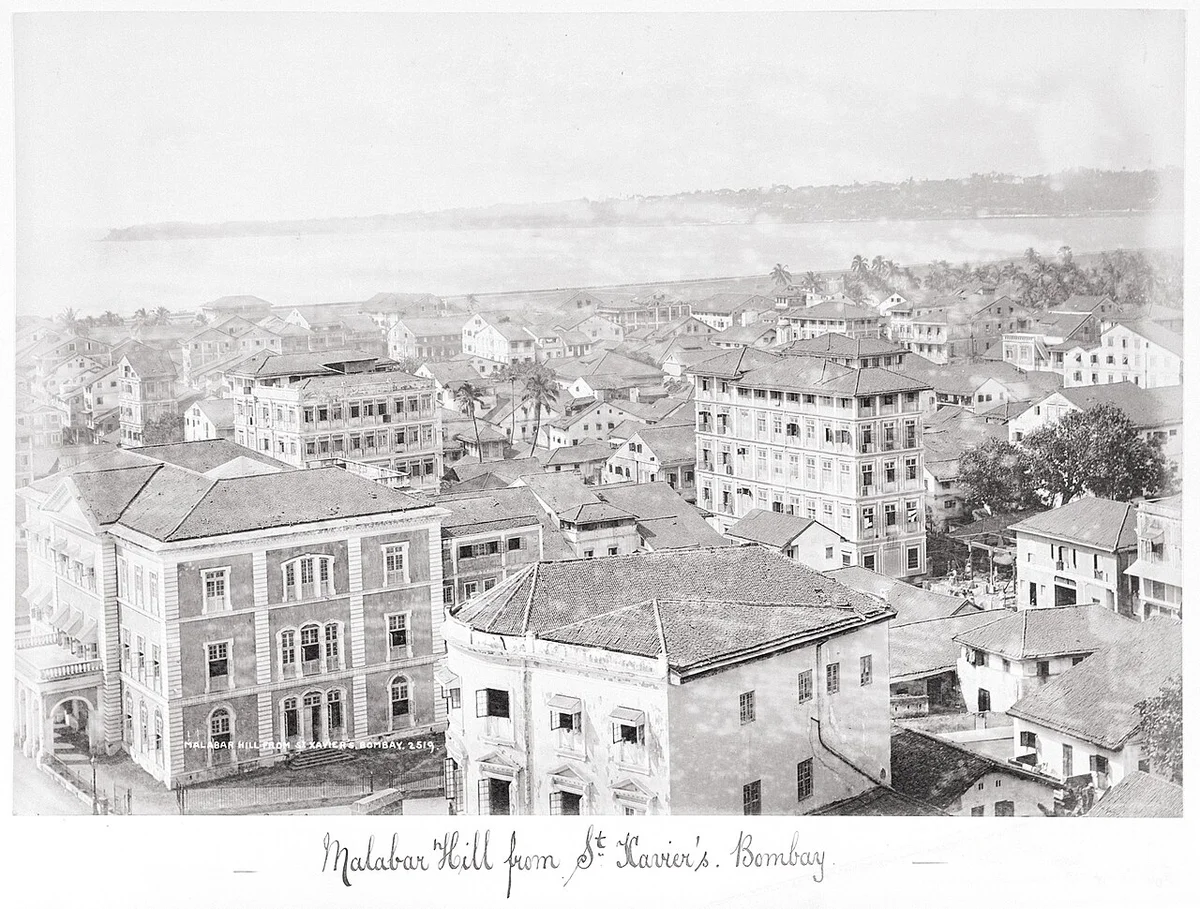
- Image — Malabar Hill from Xavier's, Bombay by Samuel Bourne, LACMA
- F. D. Alpaiwalla Museum’s accessibility information
