Estimate the end of an anthem cue
Choose the version already confirmed for your programme. The estimate adds the Ministry’s reference duration and your optional buffer to the start time. Use your rehearsed audio length to set a final cue.
Explainer + reference
Find official words for Jana Gana Mana, the 52- and 20-second versions, the 1950 record, and current Ministry occasions and accessibility guidance.
Open the Ministry’s anthem words and orders (PDF)Choose the version already confirmed for your programme. The estimate adds the Ministry’s reference duration and your optional buffer to the start time. Use your rehearsed audio length to set a final cue.
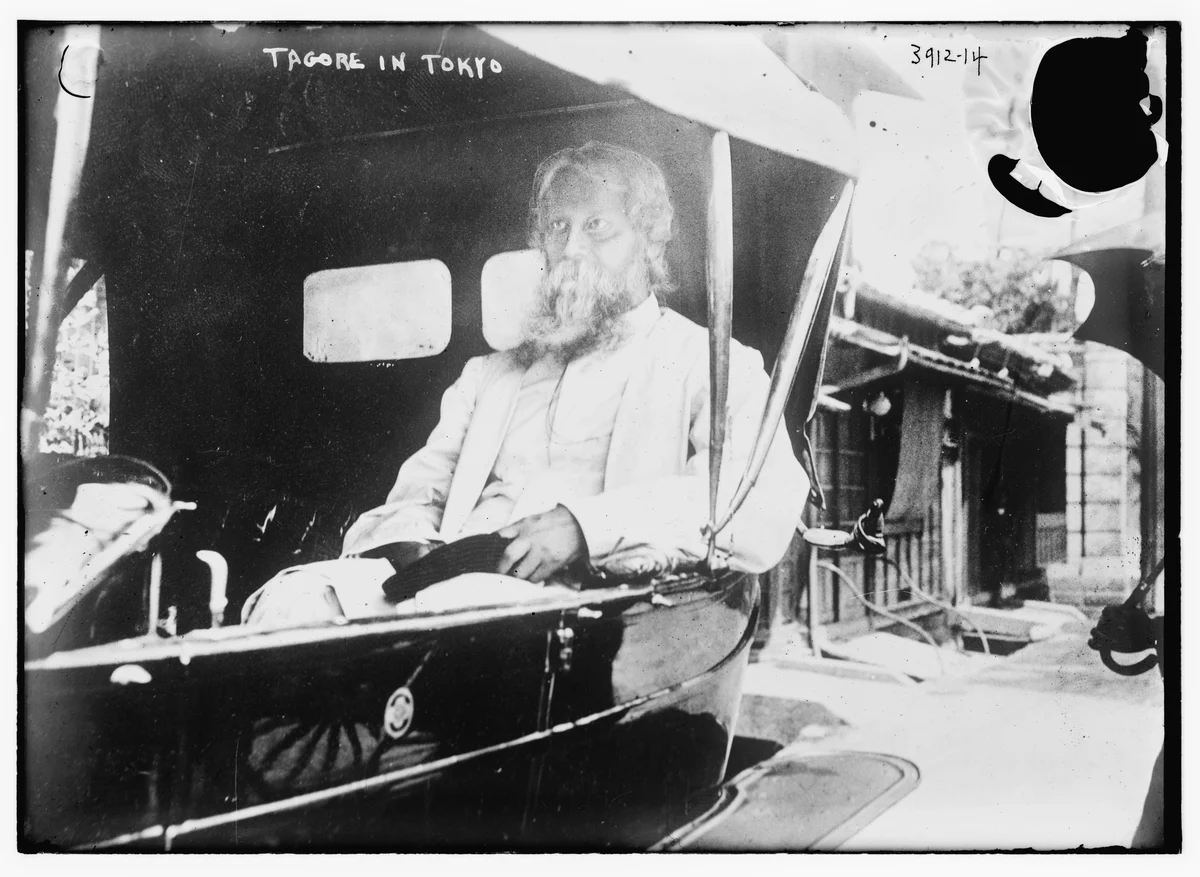
India’s national anthem is Jana Gana Mana. The full version uses the first stanza of Rabindranath Tagore’s five-stanza composition and takes about 52 seconds. The short version uses the first and last lines of the anthem and takes about 20 seconds. Annexure II of the Ministry of Home Affairs circular dated 9 July 2026 gives the words, lengths and occasions for each.
The Indian Embassy’s history records the first public singing on 27 December 1911 at the Indian National Congress session in Calcutta, now Kolkata. The Constituent Assembly record gives a different milestone. On 24 January 1950, Assembly President Rajendra Prasad identified the words-and-music composition as the national anthem through a statement from the chair. The record explains his choice of a statement in place of putting a formal resolution to the Assembly.
Tagore’s original composition and the official anthem have different lengths. The official English orders PDF provides the full and short versions of the anthem as a convenient direct download. The later circular repeats the two lengths and provides the occasion guidance. For a document that quotes wording, identify which official text or rendering you used.
| Version | What is included | Reference length | Examples in the orders |
|---|---|---|---|
| Full | First stanza of Tagore’s composition | About 52 seconds | Civil or military investitures and mass singing |
| Short | First and last lines of the anthem | About 20 seconds | Toasts in messes |
Use the table to interpret a reference to either version. For an occasion-specific decision, the relevant wording is in the Ministry’s orders. The two times are useful for recognising what a writer probably means, particularly in a quick reference that gives a number without a label. To find out what the writer intended, look for the version name or the provision they relied on.
The word “short” can also be an ordinary description of an excerpt. In the Ministry’s orders it identifies a specific version. A brief passage played in a broadcast, a clip cut for a presentation and a file labelled “short anthem” each need to be checked against the official description if someone plans to identify them as the short version. A matching runtime gives you a reason to check the content.
The length is approximately 52 or 20 seconds for the appropriate version. Silence, an announcement or music added to a particular file can change its displayed running time. Confirm the sung or played material against the official text before using the length to label a file. The version itself is defined by its contents.
The July 2026 orders give distinct examples for playing and singing. They specify the full version for civil and military investitures, specified national salutes and parades, and for mass singing. They specify the short version for toasts in messes. For an event outside those examples, check the full applicable passage and any special order for that event. The ceremony organiser should record the provision that governs its choice.
Open the anthem orders from the Ministry’s collection and read the relevant provision in context. Check the heading, the complete paragraph and any related wording it points to. A search within the document can help locate mentions of a version or an occasion. Read the surrounding text before putting a version into a running order, particularly if the search result shows just part of a sentence.
Audience protocol is addressed separately. Annexure II gives a general standing instruction and an exception for an anthem in a newsreel or documentary being shown. The Ministry also publishes guidance for accessibility, including visual or sign-language cues and ways to show respect when someone cannot stand. The Supreme Court’s 9 January 2018 judgment concerns a specific situation, making pre-film cinema playback optional under its modified direction. Follow the applicable record for the event at hand.
For an event description that leaves a material detail unresolved, keep the decision open while that detail is confirmed. Write down what is missing in terms the organiser can answer. This gives the person reviewing the running order a concrete question and makes it easier to revisit the same provision if the programme changes.
If a programme will use a recording, check the actual file assigned to the cue. A player typically shows the duration of the entire file. An announcer’s introduction, a quiet lead-in or silence at the end can affect that display. Listen for the beginning and end of the anthem, then check how the rendition corresponds to the official description of the intended version.
A running order may need both the duration of the playback and the length of the slot. The slot can include time for a preceding announcement or a transition into the next item. Put these details where the person running the programme can see them. For a live rendition, coordinate the start and end cues with the performers. The Ministry’s approximate time describes the version and gives the organiser a reference for planning.
A stage manager receives a file whose player shows almost a minute. On listening, they hear a spoken introduction before the music. To verify the file, they check the anthem portion against the version required for the occasion. To plan playback, they use the runtime of the entire file if the spoken introduction will also go out. Those two checks answer different questions about the same recording.
If a different recording arrives after rehearsal, repeat the checks on the replacement. A matching title in a shared folder is easy to mistake for confirmation that two files have identical contents or cues. Identify the selected file clearly in the running order so that the person operating playback can find the one the programme team reviewed.
If the event starts the full version at 09:00:00, the reference finish is 09:00:52. A five-second buffer puts the next cue at 09:00:57. The cue tool does that arithmetic for either reference duration and rolls over midnight. Once you have the actual file and have rehearsed the transition, time that version for the final programme.
Open the Ministry’s English orders PDF to see the words of both versions. The 9 July 2026 circular also contains them in Annexure II. The Indian Sign Language Research and Training Centre hosts an official signed presentation. Use that viewing page if you want a signed reference or visual cue. Its publication supplies a viewing resource and separate accessibility context.
Decide what your reader needs from the text. Someone looking for the words to sing needs the wording and order of the selected version. Someone who reads another script may need a transliteration, which represents the words in a different writing system. Someone looking for the meaning needs a translation. If a resource includes more than one of these, give each a clear label and identify the basis for each rendering.
A teacher makes a handout for a class with mixed reading skills. A verified text supports a line-by-line reading exercise. A transliteration can support learners who read another script, while a separately labelled translation can support a discussion of meaning. The teacher can check that the lines on the handout align before printing, especially if the three forms came from different publications.
For historical wording, use the 24 January 1950 parliamentary transcript. For the five-stanza origin and early public singing, use the embassy history. For words used at a current event, use the Ministry’s published anthem text. The three records answer different questions about the same composition.
Jana Gana Mana is the anthem and Vande Mataram, written by Bankim Chandra Chatterji, is the national song. The Assembly chair’s 1950 statement also acknowledged the song’s role in the freedom struggle. The July 2026 circular publishes distinct annexures for the song and anthem. It directs that the National Song come first when both are performed in the setting covered by the circular.
This distinction helps when the question concerns several elements of one event. A single ceremony can have a spoken introduction, a flag element and an anthem cue. The documents answer questions about different elements, while the running order records how they fit together. Where one provision mentions more than one element, read the full passage so that the sequence survives when someone transfers it into the programme.
A school prepares a programme with both a flag segment and an anthem performance. The person reviewing the programme can keep separate notes for the flag arrangements and for the anthem version, each tied to the relevant provision. If the event team later revises the sequence, those notes show which parts of the programme need to be reviewed again.
The collection is also a useful starting point when an older reference points only to a Ministry PDF. Starting from the collection lets you see how the Ministry currently lists the material and which entry it places under the anthem. Record the title of the document you actually consulted so that another reader can recover the reference even if the Ministry reorganises the collection.
Modern India after independence: a timeline from 1947How India’s government works: President, Parliament and courts
Check the source and allowed use of the specific recording you intend to publish. Start by identifying the recording, who supplied it and what the accompanying terms say. An audio player on a website, a downloadable file and a clip incorporated into a video have different uses. Read the terms for the use you have planned and keep a record of any permission the publisher relies on.
If the terms ask for attribution, check who should receive credit and where the credit should appear. Keep that information with the asset so it survives a redesign or a handover. If the file’s source is unclear, look for an original publication with an identifiable publisher and documented terms. A copy passed around as an attachment gives you little basis for checking provenance.
For an accessibility link, the official signed presentation is available through the Indian Sign Language Research and Training Centre. As of 26 November 2026 I could verify official text for the two versions and the signed video page. A separately licensed, current Indian government download of each audio-only version remained unverified. Check the rights in the particular recording, performance or translation you intend to use.
A printed lyric sheet, a translated passage and a recording may come from different publishers. Check and document the basis for using each item you select. If you change the recording or replace a translation during editing, review the attribution and terms for the replacement before carrying over the earlier credit.
For a detail that affects an upcoming event or publication, return to the Ministry’s collection and open the anthem entry it currently lists. Compare the document title and any revision information with the copy you have been using. Check for separate notices or amendments in the official material. Record both when you checked and any date shown on the document. These dates describe different things.
The Gazette of India published the Prevention of Insults to National Honour (Amendment) Act, 2026, on 6 August 2026. Its substituted section 3 addresses intentionally preventing the singing of the national anthem or song or disturbing an assembly engaged in singing either. Check that text for the statutory offence and the Ministry orders for ceremonial conduct. Record the date and scope of the document behind an event instruction.
A writer updating a venue’s event information finds a saved excerpt in an old planning document. They retrieve the Ministry’s listed orders, find the matching passage and compare it with the excerpt in context. They record the heading or provision and the date of the check. If official material leaves a question specific to the event unresolved, they ask the responsible organiser or protocol contact about that question before publishing an answer.