The festival behind the search
Gore Habba, also written Gorehabba, is a village celebration documented in Gumatapura near the Karnataka border in Tamil Nadu. A part of the event involves participants throwing cow dung at one another after a temple-linked procession. Tamil Nadu’s habitation register uses the spelling Gumtapuram and places it in Thalavadi, Erode district. The ritual has been documented after the village’s Bali Padyami observance during the Diwali season.
The search nickname drops two details that help identify the event. The material described in the reporting is cow dung, and the village named in the field dispatch is Gumatapura. Those details make a difference when a short video or headline gives only the country and the action. Use Gorehabba and Gumatapura together when looking for coverage of this particular celebration. The two-word spelling can help bring up reports that use a different rendering of the name.
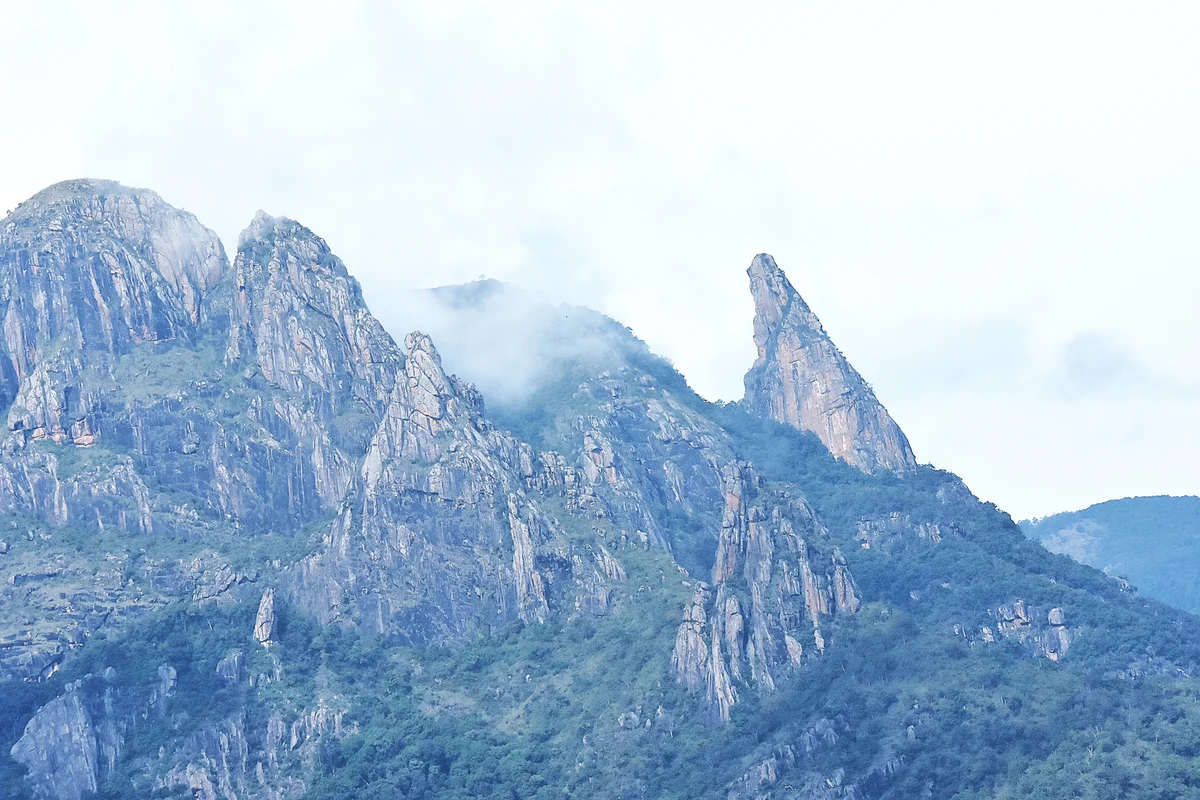
A dated report and video archive record the event on 11 November 2026. A photographer’s caption for a procession documents the 23 October 2025 edition in the same village. As of 26 November 2026, no organiser’s date or visitor programme for 2027 was verified. Look for the village’s own next-year notice before reserving a trip. An image from the region appears above with its real location in the caption.
- Viory | November 2026 footage of Gore Habba
- Agence France-Presse field reporting | Gumatapura's Gorehabba
- Tamil Nadu Rural Development and Panchayat Raj, official district, block, village and habitation table
- Asianet Suvarna News, Sumanth SN, local follow-up on the 2026 Gore Habba
- AFP field reporting on Gore Habba, 7 November 2021, hosted by Hindustan Times
- Shriram BN, ZUMA Press Wire dated documentary record, Reuters Connect
Where Gumatapura fits on the map
Tamil Nadu Rural Development and Panchayat Raj gives Gumtapuram as habitation 5 in Thalavady village panchayat, Talavadi block, Erode district. Those are the spellings in the official database. Kannada reporting often uses Gumatapura and Thalavadi, and people may use Chamarajanagar across the border in Karnataka as a familiar regional reference. Keep the village, Tamil Nadu administrative address and nearby Karnataka town distinct when searching.
The village name and the place where people gather also need separate checks if you intend to go. A map search may return a settlement pin, which is useful for finding the general area. To establish a destination for a particular celebration, look for a locally confirmed venue or landmark and check that it belongs to the same Gumatapura. The village named in a caption gives you a starting point even when the reporting gives no directions to the gathering.
The Erode district directory publishes the Thalavadi Tahsildar office as an official contact for the locality at 04295-245388. Ask where to find the village’s current arrangements or whom to contact about the occasion. The office’s listing does not sell tickets or establish hours. For directions, start with Thalavadi in Erode district and get a confirmed local destination before arranging a final transfer.
- Agence France-Presse field reporting | Gumatapura's Gorehabba
- Tamil Nadu Rural Development and Panchayat Raj, official district, block, village and habitation table
- Erode District government, Thalavadi Tahsildar public directory
- Asianet Suvarna News, Sumanth SN, local follow-up on the 2026 Gore Habba
- AFP field reporting on Gore Habba, 7 November 2021, hosted by Hindustan Times
- Chamarajanagar District official travel information, Chikkahole Reservoir
What the reports establish about the custom
In the 2026 Kannada follow-up, the reporter describes a gathering near Beereshwara temple, a procession and a public throwing ritual. The Chamarajanagar-area report from 2020 also traces materials from village cattle sheds to the temple area and describes procession figures called Kondakaras. Treat the proceedings as reported observations from individual years. Their sequence helps explain what viewers are seeing without turning a documentary record into next year’s itinerary.
Questions about why people take part require a different kind of evidence. A photograph can document who appeared in the frame and what they were doing. An explanation of the custom’s meaning needs someone who can speak to it and whose account can be attributed. If you find an interview with a participant, pay attention to whether they describe their own reason for joining, an account passed down in their family or a practice they say the village shares. Keep the claim at the same scale as the account.
The same care applies to the festival’s name. Gorehabba and Gore Habba are both useful search terms because the supplied coverage uses those forms. The spelling in an English-language headline tells you how that outlet rendered the name. A verified spelling in the language used locally, or a translation of the name, would require a local source. If a caption offers a translation without identifying where it came from, the two reported spellings are sufficient for identifying and describing the event.
- Viory | November 2026 footage of Gore Habba
- Agence France-Presse field reporting | Gumatapura's Gorehabba
- Asianet Suvarna News, Sumanth SN, local follow-up on the 2026 Gore Habba
- Daijiworld Media Network, Chamarajanagar reporting on the 2020 Gore Habba
- AFP field reporting on Gore Habba, 7 November 2021, hosted by Hindustan Times
How Gorehabba relates to Diwali
Regional reporting ties Gore Habba to the day after the local Bali Padyami, with spelling variants including Bali Padyama. In 2026 the reported date fell three calendar days after 8 November, the central Diwali date. The path from Diwali to the village’s practice runs through its own observed sequence. To check a coming year, ask for the date of the village’s festival and any timing rather than simply adding a fixed number of days to a central holiday.
The agency caption from 23 October 2025 identifies a procession for the festival. Viory’s item dates the 2026 gathering to 11 November, and the Kannada follow-up appeared on 12 November. Use the event date separately from the publication date. Older reporting, including the November 2020 account, helps document the practice and its connection with Bali Padyami without providing the date of every edition.
For example, suppose a current search result displays a November date beside a photograph from AFP. Open the caption and read the full date before treating the result as news of an upcoming celebration. If the caption names 2020, it can help identify the village and document the practice that year. If a separate notice names Gumatapura, Gorehabba and the year you are researching, it can answer a different question about that year’s plans, provided the notice comes from a source in a position to confirm them.
| Date | Document | What it establishes |
|---|---|---|
| 18 November 2020 | Daijiworld local report | Publication date, the temple procession and the local Bali Padyama relationship. |
| 7 November 2021 | AFP field reporting | Published account of the temple-linked custom. Use the official register for jurisdiction. |
| 23 October 2025 | ZUMA photographer caption via Reuters Connect | Documented procession in Gumatapura on that date. |
| 11 November 2026 | Viory video record and next-day Kannada reporting | Documented event date. |
| 2027 | No verified current organiser’s date | Ask for the festival date and visitor guidance for the year. |
Diwali 2027 in India: dates, regional observances and calendar
- Viory | November 2026 footage of Gore Habba
- Agence France-Presse field reporting | Gumatapura's Gorehabba
- Asianet Suvarna News, Sumanth SN, local follow-up on the 2026 Gore Habba
- Daijiworld Media Network, Chamarajanagar reporting on the 2020 Gore Habba
- Shriram BN, ZUMA Press Wire dated documentary record, Reuters Connect
How to check a clip or headline
Start with the oldest identifiable caption or report attached to the image you are checking. Search the event name in both spellings, add Gumatapura, and look for a photographer, agency or reporter credit. A caption with the village and a full date gives you details to compare across copies. Keep track of whether each detail comes from the credited coverage or from a later account that has repeated the image.
For example, suppose two posts show the same scene and each calls it an Indian festival, but only one credits a news agency. Follow that credit to the agency’s caption if you can find it. If the caption identifies Gumatapura and dates the image, you can describe the clip using those particulars. If the footage remains uncredited, you can still explain what Gorehabba is while leaving the identity of that particular clip unresolved. The similar action provides a clue, and a traceable caption supplies the location.
| Question | What to check | What it establishes |
|---|---|---|
| What is the named event? | Coverage that names Gorehabba or Gore Habba and describes the practice | The identity of the celebration described in that coverage |
| Where was this image taken? | The original caption or credits with a village name | The reported location of that image |
| Which state and district cover the village? | An official record for the matching settlement | The village’s administrative jurisdiction |
| When is the next gathering? | A current local announcement naming the event, village and year | The announced date and any time it specifies |
| Can visitors attend or take photographs? | Current guidance from a named local contact responsible for the event or venue | The conditions that apply to visitors that year |
When two outlets carry the same image and credit the same agency, the credit can help you trace the caption back to its source. The two copies still share that source. For an independent check, look for separately credited reporting that names the village and describes what was happening there. This matters especially when a repost adds a claim about the location, the date or the people in the frame that the original caption never makes.
- Viory | November 2026 footage of Gore Habba
- Agence France-Presse field reporting | Gumatapura's Gorehabba
- Tamil Nadu Rural Development and Panchayat Raj, official district, block, village and habitation table
- AFP field reporting on Gore Habba, 7 November 2021, hosted by Hindustan Times
- Shriram BN, ZUMA Press Wire dated documentary record, Reuters Connect
Confirming a date or planning a visit
For a future celebration, look for an announcement that names Gorehabba, Gumatapura and the year you mean. If you find a local report citing an announcement, check who supplied the date and whether any later update changes it. For planning a visit, confirm the venue and any announced start time as well. Record the time in India Standard Time when a reliable source gives a local time. If the source provides only a day, keep the entry at day level until a time is confirmed.
Treat visitor arrangements as another detail to establish for the year you intend to go. Photographs of participants show that people were present when the coverage was made. For current conditions, look for guidance from a named local organizer or venue contact on observing, taking part, photographing or filming. Ask about the activity you have in mind. Someone who wants to watch from a designated place has a different question from someone who wants to take close-up photographs.
For a calendar entry, refresh the information when a notice for the relevant year appears and check again shortly before relying on the date or time. Once the announced date has passed, remove it from upcoming listings. If you keep it as an archive entry, identify it as an announced date until reporting confirms the event took place. A dated dispatch or caption can support a record of an occurrence in the year it documents. A new calendar entry needs evidence specific to the next gathering.
The 2026 report describes people from outside the village who watched or took part. That record describes the edition the reporter attended. Ask current organisers or a locally confirmed contact where visitors can stand, what access is available, and whether photography is permitted for the specific ceremony. No general ticket, participation, accessibility or filming policy was verified in the public records reviewed here.
- Viory | November 2026 footage of Gore Habba
- Agence France-Presse field reporting | Gumatapura's Gorehabba
- Tamil Nadu Rural Development and Panchayat Raj, official district, block, village and habitation table
- Erode District government, Thalavadi Tahsildar public directory
- Asianet Suvarna News, Sumanth SN, local follow-up on the 2026 Gore Habba
How to describe Gorehabba in a caption or article
Use Gorehabba as the name and put Gumatapura close to it. If readers arrive using the popular search phrase, a brief mention can help them recognize the subject. Then describe the action in plain terms as cow dung throwing. A caption has room for the place, the activity and the year when those details are known. They make it possible for someone who sees the image out of context to identify what the reporting actually covers.
In a caption, give the village and the date the original agency establishes. For the Reuters Connect item, one accurate description is that it shows a procession in Gumatapura on 23 October 2025. Link readers to the agency record when you want them to see that exact documentation. The photograph on this guide shows the wider Erode district landscape at Sathyamangalam Tiger Reserve and is labelled separately.
For an article that goes beyond describing the scene, seek reporting that identifies the people explaining the custom and gives readers enough context to understand their relationship to it. Preserve any distinctions they make about who takes part, how the occasion is observed and what has changed over time. Attribute a recollection to the person who gives it and a claim about a specific year to the reporting that establishes it. That level of detail lets a reader learn about the celebration as it is practiced in Gumatapura.
Sources
- Viory | November 2026 footage of Gore Habba
- Agence France-Presse field reporting | Gumatapura's Gorehabba
- Tamil Nadu Rural Development and Panchayat Raj, official district, block, village and habitation table
- Erode District government, Thalavadi Tahsildar public directory
- Asianet Suvarna News, Sumanth SN, local follow-up on the 2026 Gore Habba
- Daijiworld Media Network, Chamarajanagar reporting on the 2020 Gore Habba
- AFP field reporting on Gore Habba, 7 November 2021, hosted by Hindustan Times
- Shriram BN, ZUMA Press Wire dated documentary record, Reuters Connect
- Chamarajanagar District official travel information, Chikkahole Reservoir
- Open regional-context photograph: Landscape of Sathyamangalam Tiger Reserve, Murugavel.T
