Pick the season for your route and activity
For a first sightseeing trip to Jaipur, November through February gives the cooler part of the year. January and February are a good starting comparison for Chennai, where the northeast monsoon can bring substantial rain in autumn. Goa Tourism describes October through March as its typically clearer season. Kerala’s backwaters and hill towns have their own travel windows. For Ladakh road travel and Assam wildlife visits, check the operator or department that controls your exact route.
India Meteorological Department uses June through September for the southwest monsoon season and October through December for the northeast monsoon season. These are useful starting windows. Which weeks are wet, how warm a place feels and whether a road or activity opens vary by location. Use the row for your main stop to plan, then check late weather and operator notices for the activity that gives the itinerary its dates.
| Area and activity | Planning window | What to check for the actual date |
|---|---|---|
| Jaipur forts and outdoor sightseeing | November–February; warmer shoulders March and October | IMD forecast, opening and last admission |
| Chennai city and coastal heritage | January–February; warmer March | Northeast rain October–December and coastal warning |
| Goa beach visit | Usually October–March; compare Oct–Nov or late Feb–Mar around the holiday peak | Lifeguard notice and seasonal water-sports rules |
| Kerala backwaters | October–February | Boat boarding, operator date and rain |
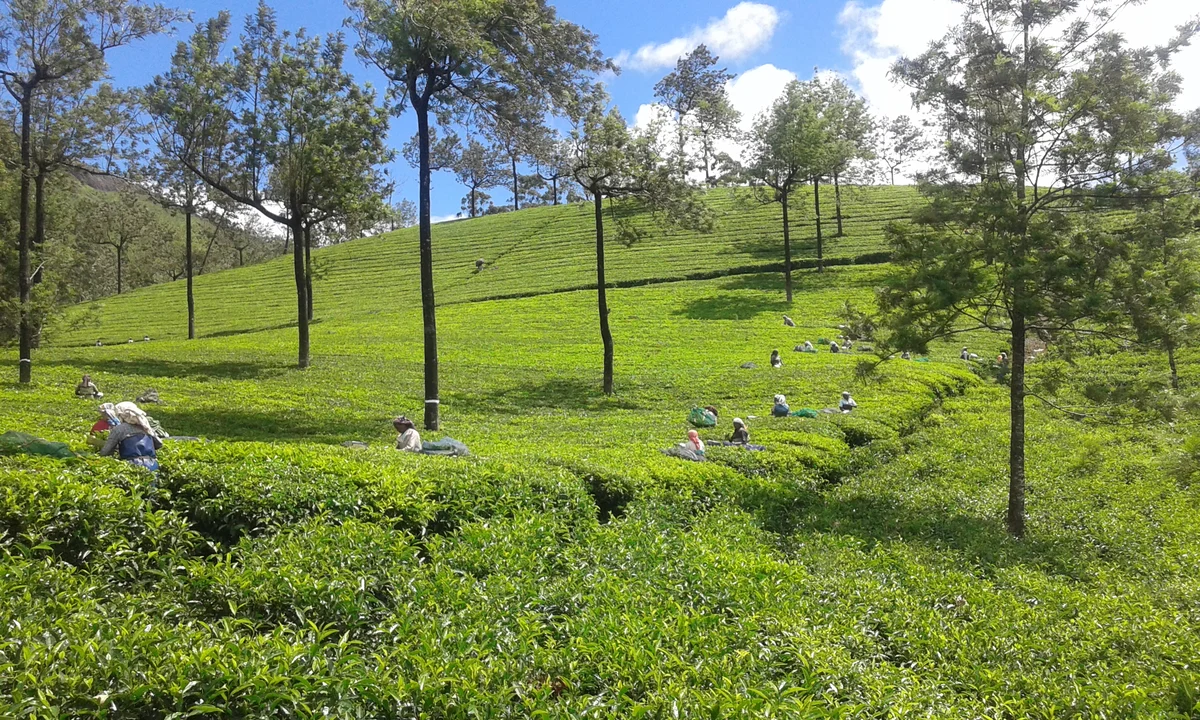
| Munnar and Thekkady hills | November–February suggested | Individual park and calving closure |
| Shimla hill visit | April–June or September–November; winter for snow conditions | Rain, visibility, current roads and resort access |
| Ladakh overland travel | Srinagar approach broadly May to November/December; Manali May/June to September/October | Actual pass opening and road advisories |
| Kaziranga wildlife | Broadly November–April | Forest range, safari ticket, flood and access conditions |
Decide what would make you change the trip. Someone planning two fort visits can move a morning outing without losing the trip. Someone flying for one wildlife safari needs an open range and a reservation. A family trying to cross a mountain road relies on the road actually being open. Comparing the activity window with the local climate gives you a more practical starting point than searching for one national best month.
A shoulder season needs a reference point. Around Goa’s winter holiday peak it can mean late February or March. Around Jaipur’s cooler sightseeing months it can mean March or October, when mean afternoon temperatures are higher. In Chennai, October falls within the autumn rain window. Write the destination and activity beside the month before comparing room dates and deciding whether the shoulder is useful to you.
India’s climate by region: monthly rainfall and temperature chartsBest places to visit in India: find a first-trip itinerary
- India Meteorological Department | National and Peninsular Monsoon Reference
- IMD Jaipur | Station 42348 Monthly Normals, 1991–2020
- IMD Chennai | Station Monthly Normals, 1991–2020
- Goa Tourism Development Corporation | Goa Seasonal Weather
- Kerala Tourism | Backwaters, Hills and Seasonal Travel
- IMD | Current District Warnings
The Golden Triangle and Jaipur’s warmer shoulders
November through February usually gives a cooler window for Jaipur’s outdoor monuments. IMD’s 1991–2020 station normals put the mean daily high at 22.5 °C in January and 26.1 °C in February. Jaipur’s January mean daily low is 8.4 °C. If your plan starts early or finishes after sundown, the difference between the morning and afternoon conditions matters as much as the monthly average high.
March and October are useful shoulder-season comparisons. Jaipur’s normal daily high is 32.0 °C in March and 34.1 °C in October, compared with 29.6 °C in November. May reaches a mean daily high of 41.1 °C. On a warmer itinerary, put longer exposed grounds first and structure afternoons around indoor stops or transfers. Read the local warnings on the dates when you will actually be outside.
The Jaipur station’s July and August rainfall averages, 190.5 and 203.4 millimetres, describe a different pattern from November’s 1.9 millimetres. They apply to Jaipur. Delhi and Agra have their own observations and closures. If you use the cooler season to build a Golden Triangle route, look up each departure city and specific monument. A facility can have a weekly closure or a ticket cutoff despite good outdoor weather.
Goa, Kerala and the southeast coast have different seasons
Goa Tourism Development Corporation describes October through March as the clearer beach period, with the busiest concentration around December and New Year. Compare October and November or late February and March if you want to travel on either side of that holiday period. The state’s water-sports rules separately limit regulated activities in the monsoon and during unsafe weather. Whether you can walk on the shore, swim or take a commercial activity calls for a separate check.
Kerala Tourism suggests October through February as a planning period for houseboats and November through February for places such as Munnar and Thekkady. The state also describes rain in June through September and a further northeast monsoon phase in October through December. October can therefore offer a backwater itinerary with weather-related changes. Ask the boat operator about boarding, the cancellation terms and the activity you have booked rather than using a resort’s general climate summary.
The Chennai station illustrates the autumn difference across coastlines. It averages 300.3 millimetres in October, 373.6 in November and 182.4 in December. Its January and February means are 16.2 and 5.5 millimetres, with typical daily highs of 29.7 and 31.2 °C. March is a warmer and typically dry transition at that station. Use that local pattern if you want to pair Chennai’s museums with exposed heritage stops and coastal transfers.
- India Meteorological Department | National and Peninsular Monsoon Reference
- IMD Chennai | Station Monthly Normals, 1991–2020
- Goa Tourism Development Corporation | Goa Seasonal Weather
- Government of Goa | Water-Sports Policy and Monsoon Restrictions
- Goa Tourism Development Corporation | Beach Safety Guidance
- Kerala Tourism | Backwaters, Hills and Seasonal Travel
- Kerala Tourism | Kerala's Two Monsoon Windows
Shimla, Ladakh and wildlife seasons
Himachal Tourism describes spring in March, a milder summer outing window from April through June, and an autumn period from September through November for Shimla. July and August can bring rain and mist, while winter brings the possibility of snow. This makes Shimla a different planning choice from Ladakh, where the status of a specific approach road can decide whether an overland itinerary is possible.
Ladakh Tourism describes March and April as spring, May through September as summer and September and October as autumn. District Leh gives approximate vehicle windows for separate roads. Srinagar–Leh may be usable from May into November or December. Manali–Leh typically runs from May or June through September or October. These broad ranges depend on snowfall, pass clearance and the current road order. Check the approach independently when comparing a Leh-based visit with an overland circuit.
For Assam’s Kaziranga, the state Forest Department describes November through April as a broad best period. A booked safari still needs a range or entry gate, current opening dates and a safari operator for the selected day. The tourism department separately describes hot and rainy conditions from May to October and offers tea-country or town visits as a different kind of trip. Check the chosen park for flood or access notices rather than applying the seasonal summary to all activities.
What to do when weather and an activity calendar differ
Even a favourable season can include a scheduled closure. A Kerala Chief Wildlife Warden order dated 23 January 2026 closed Eravikulam National Park to tourist visits from 1 February through 31 March for the Nilgiri tahr calving season. Munnar’s wider hills and tea plantations are a different destination from the park’s ticketed visit. The park operator describes annual management around the calving period. Check a new dated notice for the year in which you actually plan to visit.
For the coast, read the operator’s published activity rules as well as the forecasts. Goa’s published policy describes a normal regulated water-sports period from 08:00 to 18:30 or sunset, whichever comes first, subject to the weather and relevant closures. Season, daylight and sea conditions all affect how much of the planned day is usable. A room near the beach remains a separate booking from a commercial activity on the water.
An IMD heavy-rain forecast uses its own daily categories. The department classifies 64.5 to 115.5 millimetres as heavy and 115.6 to 204.4 as very heavy, with extremely heavy beginning at 204.5. A monthly total from the station’s climate table is a separate statistic. For example, a 203.4 millimetre August mean in Jaipur is a whole-month total. Use a current dated warning if you need to make a same-day road, flight or coastal decision.
IMD’s forecasting reference discusses flood-producing rainfall examples in Mumbai in July 2005 and in Kerala in August 2018. These dated events illustrate how concentrated rain can affect particular places and transport networks. Use the warning for the district you will cross and the operator’s live service notice. A wider regional seasonal summary helps you choose possible weeks but gives no information about whether your particular road or flight is operating on the day.
Heat in India by region: IMD heat-wave rules and warning map
Choose dates for a trip with several regions
Find the part of your itinerary that is least flexible, such as a park booking, a long mountain transfer or a family event. Put weather-sensitive travel beside a spare day if your dates allow it. When you combine west and southeast coastal destinations, verify each region’s monsoon pattern separately. When you combine lowland and mountain stops, check the road and elevation-specific conditions even if both appear under the same season label.
For a cooler multi-city north trip, use November through February as a starting comparison and plan warmer layers for evenings. For a south trip centred on both Chennai and Kerala, January or February can be a reasonable overlap to compare. Check a specific Kerala nature stop for any seasonal closure before setting the final date. For North India hill travel and a Goa beach activity on the same trip, use the route choice and travel time to choose which climate trade-off matters more.
Keep three items together before paying a nonrefundable amount. Record the historical climate source, the operator notice that applies to your date and the current IMD warning route for your destination. Use the first to compare months, the second to secure access and the third to handle conditions closer to departure. The table makes windows easy to compare and preserves the activity or destination each one describes.
A weather pattern can also be useful even when it does not decide the booking. A January visit with cool Jaipur mornings may change what you pack. A coastal stay during a rainier season can shift the experience from beach activities toward food or culture. A spring Leh stay with a flight itinerary presents different access questions from driving the Manali road. Use the local pattern to choose activities you could still enjoy after an itinerary change.
Sources
- India Meteorological Department | National and Peninsular Monsoon Reference
- IMD Jaipur | Station 42348 Monthly Normals, 1991–2020
- IMD Chennai | Station Monthly Normals, 1991–2020
- Goa Tourism Development Corporation | Goa Seasonal Weather
- Government of Goa | Water-Sports Policy and Monsoon Restrictions
- Goa Tourism Development Corporation | Beach Safety Guidance
- Kerala Tourism | Backwaters, Hills and Seasonal Travel
- Kerala Tourism | Kerala's Two Monsoon Windows
- Kerala Chief Wildlife Warden | Eravikulam Dated 2026 Closure
- Eravikulam National Park | Official Park Programmes
- Ladakh Tourism | Destination Seasons and Shoulder Windows
- District Leh | Seasonal Road Approaches
- Himachal Tourism | Shimla's Spring, Summer and Autumn Windows
- Assam Forest Department | Kaziranga's Broad Visitor Season
- Assam Tourism | Wet-Season Travel and Tea Country
- IMD | Heavy-Rainfall Classification and Published Extremes
- IMD | Current District Warnings