What India in a Day is and where to find it
India in a Day is an 86-minute 2016 documentary directed by Richie Mehta. People across India were invited to film their lives on 10 October 2015, and the production team assembled selected footage into the feature. Google India’s verified channel published the full film on 22 November 2016. The title link goes to that upload, which the production company Jeva Films also identifies as the full film.
The recording date and exhibition dates have separate roles. Footage was recorded in October 2015. Sheffield Doc/Fest held the world premiere on 14 June 2016. The Canada premiere in the Toronto International Film Festival’s programme was on 9 September, Mumbai’s Indian premiere took place on 20 September, and a limited Indian theatrical release began on 23 September. The original 2015 invitation and January 2016 first look are useful context before opening the feature.
That distinction matters when you search for the title. A result about the invitation can explain how the project began, while the production listing identifies the finished film. An official full upload serves a third purpose. If you want to watch, look for the title together with the Google India channel name and confirm the result is the feature before setting aside time for it.
The premise also helps you decide whether it suits your evening. The central attraction is the chance to consider what people chose to film when asked to record their everyday lives on a shared date. The 86-minute running time gives you the scale of the finished work. The invitation tells you what kind of encounter with daily life that time is designed around.
| What you want to know | Where to check | What to look for |
|---|---|---|
| What day were contributors asked to film? | Google India’s original announcement | 10 October 2015 and the invitation to record everyday life |
| When was the feature released and how long is it? | Jeva Films’ production listing | 2016 and 86 minutes |
| Which YouTube result is the official full film? | The Google India channel | The film title, official uploader and feature-length video |
| Can I watch it from here today? | The official YouTube watch page | Successful playback on your current connection and account |
How one date became a feature documentary
Google and the collaborating filmmakers asked people across India to record everyday life on 10 October 2015. The invitation gave participants a common time frame and a broad subject. Within those terms, a contributor’s first decisions were local ones. Where should the camera go? Who or what belongs in the frame? When does an ordinary activity become worth recording?
The feature adds a second set of decisions. Footage made by contributors had to be assembled into a work that runs for 86 minutes. Choosing a clip determines whose view reaches the audience. Choosing its duration determines how much time a viewer has to look. Choosing what comes next changes the associations a viewer can make between moments originally recorded apart.
The Google India first look offers three documented examples of what the project looked for. It mentions lives shaped by access to English, Wi-Fi and mobile app development. In the finished film, the Museum of the Moving Image’s description draws attention to participants discussing women’s rights, recounting memories of Gandhi and running a transgender-led business. Start from the appropriate record when attributing one of those subjects to a preview or feature.
The shared date gives all the material a clear point of connection. The production method gives each fragment its own point of view. Keep both ideas in mind when encountering a shift between settings. A single day can hold simultaneous experiences, and a feature can give those experiences a sequence that viewers can follow and interpret.
A viewer’s guide to the premise and its participants
The strongest idea in India in a Day is to ask people to notice what is familiar to them. Everyday life offers documentary material precisely because so much of it happens through repetition. How someone goes about a task can reveal habits, relationships or uses of space that a formal account of the same activity might have little reason to describe.
A participant holding a camera can make those details available from inside a routine. They can also arrange a view they want strangers to see. Both possibilities give the premise depth. Someone may record an activity because it happens every day, because it matters to them, or because a national audience seems like a reason to show it. The act of choosing is itself part of the portrait.
The title creates the project’s most productive tension. Naming a country gives the film an ambitious scale, while the invitation produces material rooted in individual circumstances. The premise is most persuasive when the country-sized frame gives attention to particular lives. It becomes harder to sustain when a viewer asks a few selected fragments to stand for a whole place or group.
This project’s premise suits a viewer interested in observational nonfiction and how people choose to record familiar surroundings. The opening call invited people to show their own lives, and the production had to make an 86-minute selection. The British Council’s interview with Mehta discusses how he wanted to include experiences outside the images routinely seen in mainstream coverage. Read that interview for his own account of the choices and then judge the transitions in the film.
What a crowdsourced portrait can tell you
An invitation across India creates an opportunity for people in many circumstances to contribute. The production method also makes participation a question of who heard the invitation, who could record something, and who chose to share it. By the time a viewer sees the finished feature, the editing adds another layer of selection. These conditions shape what any crowdsourced documentary can show.
A contributor’s footage can be rich evidence of an individual viewpoint. It can show what the person wanted to place before a camera and how they chose to frame it. Claims about how widespread a practice is require other evidence. Assessing the geographic or social coverage of the project would likewise require information about contributors and footage beyond the basic production description.
As a hypothetical example, suppose several selected clips showed people making the same kind of journey. Their recurrence might make that journey a theme worth discussing within the film. To infer how common that journey was across India in 2015, a reader would need evidence about the population being described and a dependable way of measuring travel across it.
The same care applies to an apparent absence. If you come away wondering about a place or routine you expected to encounter, you can raise that as a question about the finished portrait. Establishing whether anyone filmed or submitted material on the subject is a different research task. The feature gives you a record of what reached the screen.
Submission counts changed between published accounts. The January 2016 Google preview reported more than 8,000 submissions. The later DocHouse programme reports more than 16,000 submitted videos and over 365 hours of source material. Keep the publisher and stage with each number. Submissions do not equal people or final scenes, since a piece of footage can contain several people, and submissions were selected and edited for the finished film.
How to watch the editing as well as the footage
Start with what a contribution lets you observe on its own terms. Look at distance, duration and the edge of the frame. A close view can direct attention to a hand movement or an object. A longer view can give you time to see how people share a space. When the person holding the camera is hard to identify, leave that relationship open.
Then look at what happens across a cut. A transition may bring two gestures into conversation, change the scale of what you are looking at, or create a sense that separate activities belong to the same part of the day. Asking what the transition contributes helps you distinguish what you observed within each clip from the relationship you inferred between them.
As a hypothetical example, imagine a clip ending with a person closing a gate and the next beginning with someone opening a door. The actions may feel like an exchange when seen together. A careful description can identify the paired movements and the effect of the cut while leaving the locations, recording times and any relationship between the people to evidence.
For a group viewing, pick one transition and ask each person what made the two moments feel connected. One viewer may respond to the action, another to the framing or an audible detail. That gives the discussion a specific piece of filmmaking to work with and helps each viewer explain what they saw before drawing a broader conclusion.
The British Council’s credit record names editor Beverley Mills and composer Stephen Warbeck, and lists Joakim Sundström for sound. The London DocHouse archive also links a recorded discussion with the director and editor. A useful viewing sequence is to notice a transition before listening to their Q&A. That keeps a viewer’s interpretation distinct from how the production team later described its decisions.
| Role | Credit |
|---|---|
| Director | Richie Mehta |
| Producers | Jack Arbuthnott and Cassandra Sigsgaard |
| Co-producer | Donna Chang |
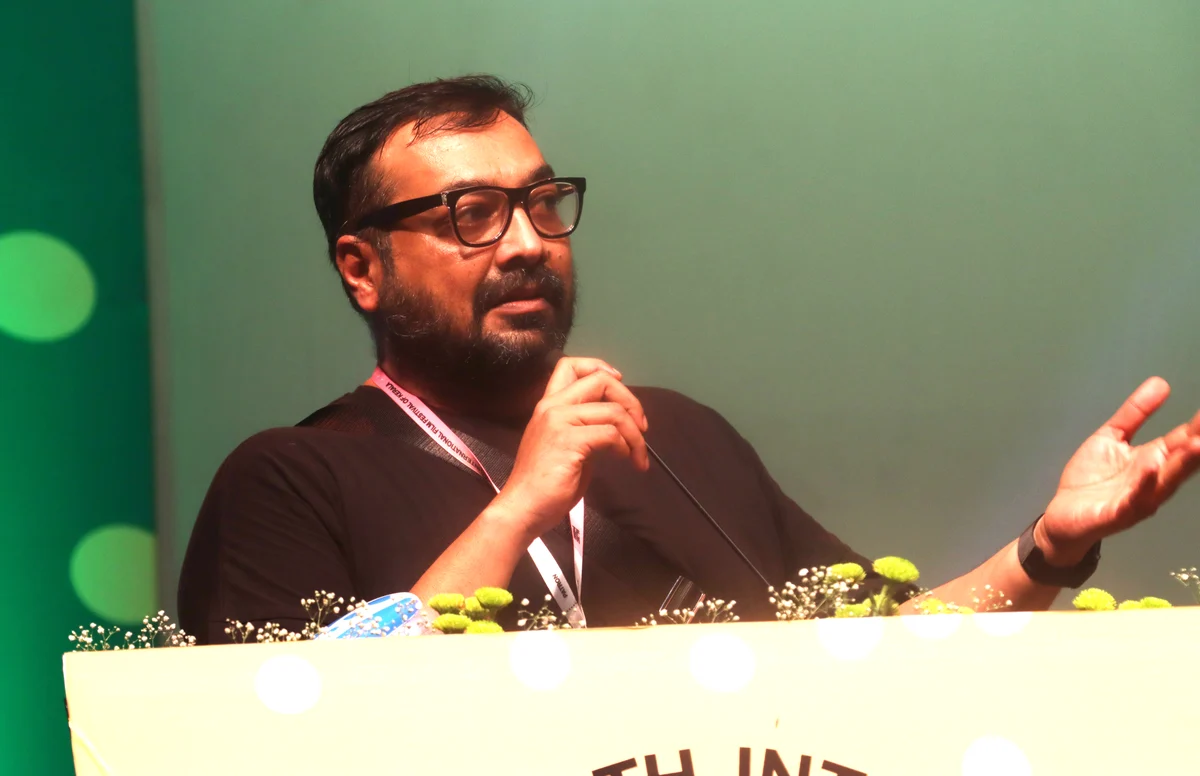
| Executive producers | Carlo Dusi, Anurag Kashyap and Ridley Scott |
| Editor | Beverley Mills |
| Sound | Joakim Sundström |
| Composer | Stephen Warbeck |
Reading the film as a record of October 2015
The filming date gives India in a Day a historical anchor. Viewers can use it to ask what looks tied to the period and what looks familiar today. The most revealing details for that purpose may sit at the edge of a contributor’s intended subject. A device, sign or street fixture can acquire historical interest as its surroundings change.
As a hypothetical example, imagine that a shop sign visible in a contribution lists a telephone number and a web address. You could describe those details as part of the public face of that particular shop. A claim about how businesses generally advertised at the time would need broader material, such as contemporary directories, reporting or research covering the relevant area.
The producer’s dated archive establishes the Sheffield world premiere and then the international premiere in Toronto. TIFF’s own programme independently calls the screening there the international premiere. In India, the producer differentiates the Tuesday Mumbai event from the Friday limited theatrical release. The Museum of the Moving Image archive calls its Redstone Theater event the U.S. premiere. That migrated record lacks a confirmed calendar date, so the U.S. event is described with its venue and presentation details.
If a visible detail sends you looking for present-day information, identify the place or institution from independent evidence before checking a current source. The documentary can supply the starting observation. A dated record from the relevant organisation can establish what has happened since, where that change can be verified.
| Date | Event | Source scope |
|---|---|---|
| 10 October 2015 | Public filming day | Google India invitation. |
| 18 January 2016 | First look posted | Google India preview page. |
| 14 June 2016 | World premiere, Sheffield | Jeva Films dated dispatch. |
| 9 September 2016 | International premiere, Toronto | Jeva and TIFF. |
| 20 September 2016 | Indian premiere, Mumbai | Jeva advance notice and release dispatch. |
| 23 September 2016 | Selected Indian cinemas | Jeva and British Council. |
| 8 October 2016 | DocHouse, London | Cinema event record and recorded Q&A. |
| 22 November 2016 | Full feature published online | Google India’s official YouTube upload. |
| Date unavailable in archive | U.S. premiere, Museum of the Moving Image | Redstone Theater DCP event record. |
- Google India original crowdsourcing announcement
- Jeva Films India in a Day production page
- Jeva Films — 2016 premiere and theatrical announcements
- Toronto International Film Festival — 2016 TIFF Docs lineup
- British Council India — director interview and India theatrical opening
- Bertha DocHouse — London screening, reported submissions and recorded Q&A
- Museum of the Moving Image — U.S. premiere and DCP presentation
- Cinequest — multilingual 2017 programme listing
- Google India official full documentary upload
Checking playback, captions and viewing permissions
Search YouTube for India in a Day together with Google India. Open the result from the official Google India channel and verify that you found the full documentary. Jeva Films’ listed running time gives you a useful reference when the search also returns announcements or short videos. Use the uploader, title and video description together when identifying the copy.
Check playback where you plan to watch. Start the video and see whether it plays with your current account and connection. If you see an error, read the wording before describing the problem to someone else. A message that explicitly names a territory restriction supports a more specific conclusion than a general playback failure, which can have several causes.
The Museum’s U.S. programme records Hindi and English with English subtitles for its DCP. Cinequest’s 2017 festival record lists English, Hindi, Tamil, Telugu, Bengali, Marathi, Kannada, Garhwali and Bhojpuri, also with English subtitles. Festival labels describe the version promoted for that screening. Check which tracks the YouTube player offers you. The public title page supplies no country-by-country list of playback eligibility.
For a public screening, a clip in an article, or footage in a new video, check the permissions for that specific use with the relevant rights holder or an authorised distributor. The official upload is the starting point for watching and citing the video. A screening or reuse inquiry should identify the film, intended use and territory so the recipient can address the request directly.
For a contributor’s name, use the feature’s own end credits when available. Google’s original invitation promised a named credit where footage was selected. The British Council and Jeva pages provide principal production credits and identify the people whose roles were behind the camera. The public promotional pages reviewed here do not establish a complete participant-by-participant roster.
Sources
- Google India original crowdsourcing announcement
- Jeva Films India in a Day production page
- Google India official full documentary upload
- Google India — January 2016 first look
- Jeva Films — 2016 premiere and theatrical announcements
- Toronto International Film Festival — 2016 TIFF Docs lineup
- British Council India — director interview and India theatrical opening
- British Council UK Films Database — full principal documentary credits
- Bertha DocHouse — London screening, reported submissions and recorded Q&A
- Museum of the Moving Image — U.S. premiere and DCP presentation
- Cinequest — multilingual 2017 programme listing
- Licensed documentary visual — executive producer Anurag Kashyap
