India vs Hong Kong results at a glance
India and Hong Kong, China each won once in their two AFC Asian Cup 2027 final-round qualifying meetings. Hong Kong, China won 1–0 on 10 June 2025, and India won the reverse fixture 2–1 on 31 March 2026 at Jawaharlal Nehru Stadium in Kochi.
Read each score in the order the teams appear. Hong Kong, China are listed first in the June result, and India are listed first in the March result. This matters when comparing headlines or copying a score into a calendar or match log. A listing that keeps India first throughout would express the June result as India 0–1 Hong Kong, China and the March result as India 2–1 Hong Kong, China.
| Date | Venue | Final score in fixture order | Scorers reported in the match accounts |
|---|---|---|---|
| 10 June 2025 | Kai Tak Stadium, Kowloon | Hong Kong, China 1–0 India | Fernando (penalty) |
| 31 March 2026 | Jawaharlal Nehru Stadium, Kochi | India 2–1 Hong Kong, China | Ryan Williams and Akash Mishra for India, Everton Camargo for Hong Kong, China |
The two reports establish completed matches on those dates. Use the table if you want the outcome of either qualifier or need to identify which game someone is referring to. For a diary entry, a travel plan, or a broadcast search involving a future meeting, start with a current schedule. An old fixture card can preserve the same team names and competition branding even after its match has been played.
How to identify the football fixture
The search phrase “India vs Hong Kong” leaves the sport and competition open. For these matches, look for “AFC Asian Cup 2027,” the qualifying round, and the team name “Hong Kong, China.” The comma is part of the team label used in the football records here. A search using the shorter “Hong Kong” can still lead to the right match. Check the team and competition fields when you open the result.
The year in the competition name identifies the edition of the Asian Cup. The year beside a fixture identifies when the teams played. Both qualifiers belong to the 2027 edition, even though one took place in 2025 and the other in 2026. In a spreadsheet or calendar, keep the edition in the competition field and use the full match date for sorting. That also makes the two records easier to find in an archive.
Example search. If a saved screenshot only says “India vs Hong Kong” and shows a 2–1 score, search for the team names alongside “Kochi” and “31 March 2026.” Then check the competition and team order in the result. If someone mentions a late Fernando penalty, use his name and June 2025 to narrow the search. The scorer is a useful clue when different search results put the teams in different orders.
10 June 2025 qualifying result
The Asian Football Confederation records a 1–0 win for Hong Kong, China on 10 June 2025 in the final round of AFC Asian Cup 2027 qualifying. Fernando scored the only goal from a late penalty. The shortest complete result entry gives the date, both teams in fixture order, the full-time score and Fernando as the scorer. Include the competition when the entry will sit alongside other meetings between the teams.
A late penalty describes when and how the winner was scored in broad terms. If the exact minute matters for a quiz, a match timeline, or a caption, check the event listing in the official match record before adding it. A final score and the decisive event also leave plenty of questions open about the rest of the game. Use the full report or match sheet for lineup, substitution, and disciplinary details.
Example archive entry. A results log that puts the team listed first in one column and its goals in the next would enter Hong Kong, China with one goal, followed by India with zero. An India-only log with columns for goals scored and goals conceded would record zero scored and one conceded. The same outcome fits both formats. A clear column label prevents an editor from reading the numbers as an Indian win when they move the entry between formats.
31 March 2026 qualifying result in Kochi
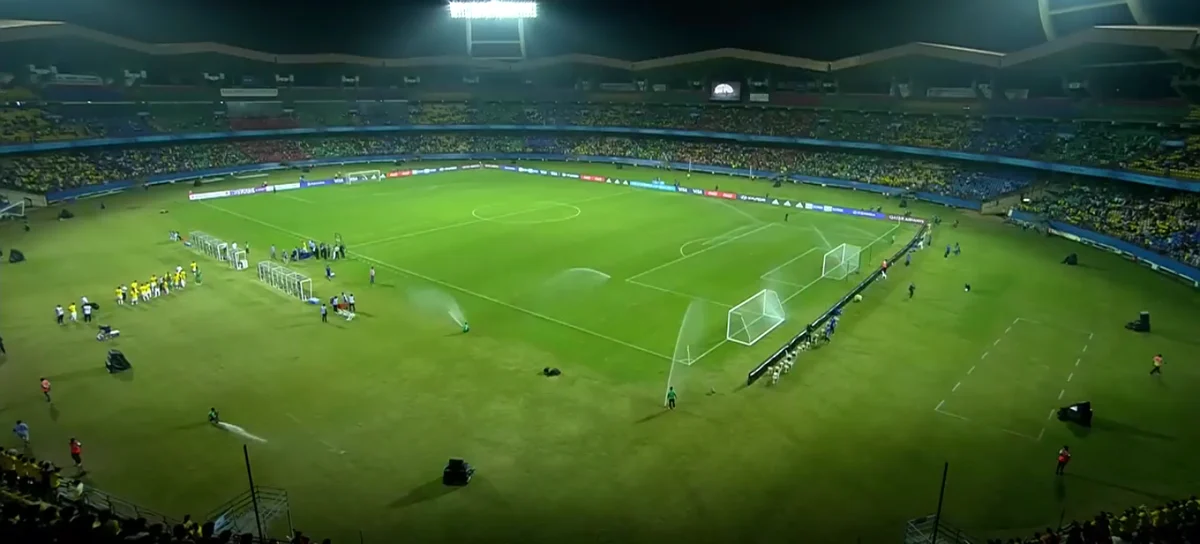
The All India Football Federation records India’s 2–1 win in the reverse fixture on 31 March 2026 at Jawaharlal Nehru Stadium in Kochi. Ryan Williams and Akash Mishra scored for India, and Everton Camargo scored for Hong Kong, China. If you are identifying the match from a highlight title or a saved scorecard, the combination of city, date and any one of those scorers gives you a more precise search than the score alone.
Keep Kochi attached to the stadium name in a match entry. Jawaharlal Nehru Stadium on its own is a less specific search term, particularly in a collection of Indian football results. Use the venue as a historical detail for this game. For a future match, check the city and stadium against that fixture’s own listing before using them to plan travel or look for admission information.
AIFF also reports that India finished its Group C campaign with five points. That number belongs in a standings or campaign field. The scoreline belongs in the match record, and the goalscorers belong with their respective teams. If you want India’s final position, the other teams’ totals, or a complete account of how the five points were earned, look up the full group table and the other group results.
Ryan Williams opened the scoring on his international debut in the fourth minute. Akash Mishra scored India’s second shortly after half-time. Everton Camargo pulled a goal back, and India held its lead to the finish. AIFF records the crowd at 22,690. The federation’s first-ever-win-in-Kochi wording concerns the venue history in its report. The table here concerns the two specific senior qualifiers.
How to read the two results together
Across the two verified games, each side won one match and scored two goals. India scored zero in June and two in March. Hong Kong, China scored one in each game. You can use those figures to describe these two qualifying meetings in a match preview. Keep the scope in the same sentence as the figures so readers know which games the calculation includes.
The combined score of 2–2 is an arithmetic total for the two meetings. The reports describe group qualifying fixtures, so use the group standings if your question is how the teams finished in the competition. That requires the results against the other teams in the group. The two-match total answers a narrower question about goals scored when these sides faced each other during this qualifying campaign.
Example preview wording. “The sides won one game each in their two meetings in AFC Asian Cup 2027 qualifying.” That wording also works when the preview is for a different competition, because it tells readers exactly where the previous meetings came from. If the preview calls for the latest meeting, a first-ever win, or an all-time record, check the broader fixture history before choosing that wording. These two reports give you two dated entries for that research.
India vs Bangladesh football: Shillong draw and Dhaka result
How to verify a future fixture
Start with the official organiser’s schedule for the competition named in the listing you found. If a listing has no competition attached, look for a national association announcement that identifies the matchup and event. Confirm the opponent, the team category, and the match status. Similar team names can appear in results for different age groups, and early announcements can leave kickoff or venue details pending.
Read the fixture entry and any later update together. An announcement can establish the pairing before the schedule shows a kickoff time. A subsequent notice may revise the venue or timing. Check that any notice you rely on refers to the same match and compare publication dates if official pages disagree. For time-sensitive plans, look for a current fixture entry that explicitly confirms the detail you need.
Example calendar check. If one listing shows a kickoff in venue time and another shows a kickoff in your device’s time zone, record the published time and its stated zone before converting it. Compare the resulting date as well as the hour. A conversion can move a fixture to the next or previous calendar day. If the listing omits the time zone, resolve that detail from the organiser’s schedule before treating the displayed time as local.
How to check live scores and final results
Use the match status alongside the score when following a game. A number beside each team can describe an in-progress score, a halftime score, or a result at full time. Look for a clock or a status label and check whether the score has a recent update. An official match report or a fixture entry marked final is the better record for an archive once it becomes available.
Example score check. A search card shows 1–1 with no status, while an official match centre marks the same fixture complete with a different score. Match the teams, category, competition and date first. If those fields agree, use the official final result in your record. If the official page still shows an in-progress status, wait for the final entry or report before publishing the score as settled. Searching by date helps when older fixtures appear beside the current one.
Check viewing information separately. A fixture announcement can confirm a game without specifying where it will be shown, and viewing options can depend on the country where you are watching. If your reason for checking the fixture is to watch from India, look for a match-specific listing from the organiser or broadcaster that covers India. Confirm the date and kickoff against the schedule before relying on a programme guide.
How to extend the head-to-head archive
Decide what counts as a meeting before you add older records. For an archive focused on the teams in these qualifiers, verify the team category for each candidate match and record the competition or friendly designation alongside the score. If an older record uses a different team label, preserve the source wording in your notes and confirm the identity before grouping it with the entries above. Date, competition and team category make a better check for duplicates than the headline alone.
Example duplicate check. One archive lists the March fixture under India with a 2–1 score, and another files it under Hong Kong, China with a 1–2 score. If both give 31 March 2026, the same qualifying competition and the same teams, those details point to the same fixture. Compare the venue and scorers if the entries give them. Store a single result in a consistent team order so that a later win count uses each match once.
Keep notes on which official record supports each field. The AFC account supports the June date, result and decisive penalty, and the AIFF account supplies the March venue, scorers and India’s group points. When you find another meeting, add the date and result once you can verify them. Leave individual fields blank until you have support for them. This lets readers use the confirmed score while a missing venue or scorer is still being researched.