India vs Bangladesh football results at a glance
India drew 0–0 with Bangladesh in Shillong on 25 March 2025, and Bangladesh won the return match 1–0 in Dhaka on 18 November 2025. Both were senior men’s football matches in Group C of 2027 AFC Asian Cup qualifying, and a next fixture still needs confirmation from a current official schedule.
If you came here after seeing a score without a date, start with the city and the team order. The Shillong result is listed as India 0–0 Bangladesh. The Dhaka result is listed as Bangladesh 1–0 India, with the goal credited to the first team in that line. The order in a search query can be either way round, so read the teams as they appear alongside the score.
| Match date | City | Final score | Outcome |
|---|---|---|---|
| 25 March 2025 | Jawaharlal Nehru Stadium, Shillong | India 0–0 Bangladesh | Draw |
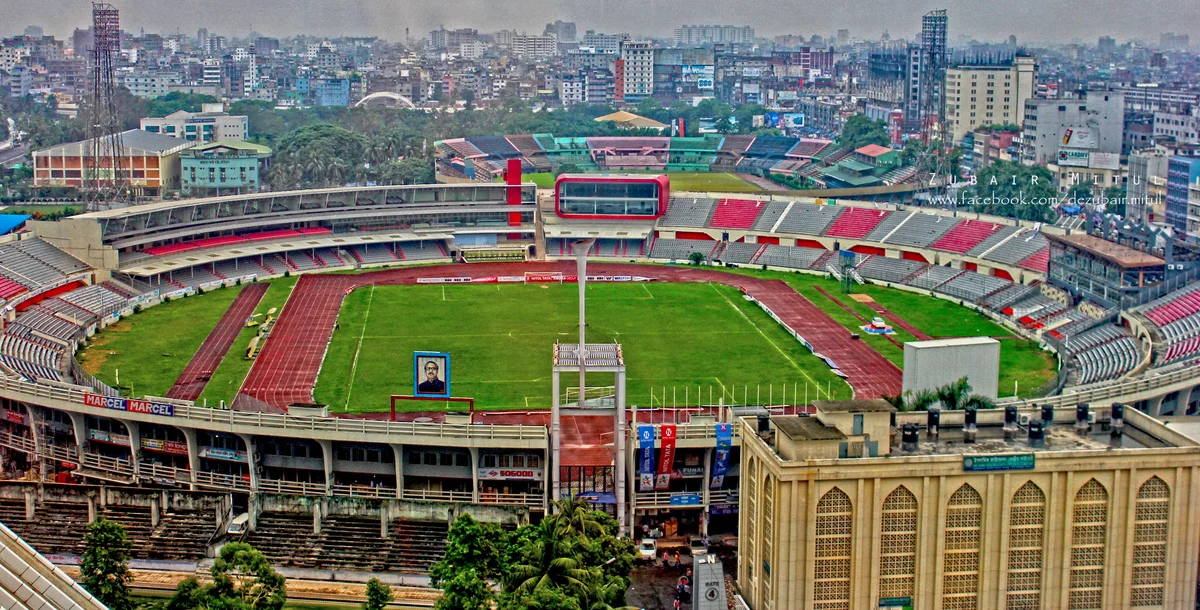
| 18 November 2025 | National Stadium, Dhaka | Bangladesh 1–0 India | Bangladesh win |
Both dates fall in 2025 because they refer to the qualifying matches themselves. The year 2027 identifies the edition of the Asian Cup the teams were trying to reach. Use the match date when looking for coverage from the day of play and keep the edition year when looking through competition records.
The two rows cover the confirmed Shillong and Dhaka meetings in this qualifying group. They answer what happened when these teams played each other in that group. A search for the teams’ first meeting, their historical results in other competitions or their overall record calls for a wider archive.
Which India vs Bangladesh match are you looking for?
The country names alone can turn up cricket, senior and youth football, and matches involving different national teams. For this pair of results, the identifying details are senior men’s football, Asian Cup qualifying and Group C. If a result page leaves out the team category, read the competition name and the match report before assuming you’ve found the right game.
Start with the detail you already know. A city points you to Shillong or Dhaka within this pair. A date can distinguish the game from a preview or a report reposted months later. A competition name helps when the search returns the same countries across multiple seasons. When all you have is a score, check the date and competition together, since the same scoreline can recur.
A search for “Bangladesh vs India football 1–0” brings up a mention of a match in India. For the verified Group C meetings, the 1–0 belongs to Bangladesh’s win in Dhaka on 18 November. If the page you found refers to a different tournament or date, treat it as a separate match until you can identify the underlying record.
A nickname can also help when you are matching a headline to a score. In the context of the Dhaka report, the Blue Tigers are India. If a headline only says that the Blue Tigers lost in Bangladesh, the competition record supplies the two team names in score order and pins down the date.
India vs Hong Kong football: two Asian Cup qualifying results
What the Shillong and Dhaka scores tell you
The Shillong match ended level without a goal. In the Dhaka meeting, Bangladesh scored the only goal and won. Across the two verified games, Bangladesh had one win and one draw, India had one draw and one defeat, and only one goal was scored. That is a count of the results in this particular pair of group fixtures.
The word “return” identifies the second meeting between the teams in the same group. A group fixture has its own result, so read the draw and the win individually. Combining the goals for a descriptive statistic is possible, but calling the final score an aggregate win would imply a two-legged tie had been settled. The supplied records identify these games as group matches.
If a quiz asks how many goals Bangladesh scored against India in these two qualifiers, add Bangladesh’s zero in Shillong and one in Dhaka. If the question asks how many matches Bangladesh won, count only Dhaka. Both answers are one, but the units are different. If the quiz asks for the winner in Shillong, record a draw.
A scoreline answers who won and how many goals each side scored. For a scorer, the minute of a goal, a starting lineup or a substitution, look for the relevant detail in an official match report or match record. To check what a result meant for qualification, use the group standings for the relevant stage and account for the teams’ other fixtures.
AIFF’s Dhaka report records Shekh Morsalin’s winning goal in the 12th minute. The 1–0 score brought Bangladesh the three points, while the first qualifier gave each team one point. AFC’s fifth matchday report records Singapore securing the qualification place from Group C on the same day. The standings reported in the Dhaka match coverage describe that matchday, so keep the date if you cite them.
How to confirm the next fixture
If you are looking for the next senior men’s meeting, check the schedule for the competition named in any fixture announcement. For an AFC qualifier, use the AFC competition schedule. Also check announcements from the All India Football Federation or the Bangladesh Football Federation. A friendly or a match in another competition may appear in a different set of listings.
Look for both team names on the same fixture entry and confirm the category, competition, date and scheduling status. A team calendar showing that both countries have matches during the same international window gives you two schedules to check. You still need a fixture that explicitly pairs them. If a schedule covers one tournament only, look for association announcements to cover games outside it.
A post says India will play Bangladesh again and gives a month, but the official entry has no kickoff time. If the entry names both teams, you can use it to confirm whatever details it actually lists. Leave the kickoff time open until the organiser publishes it. If you can only find talk of a possible meeting, describe the fixture as unconfirmed.
Use the publication or update date when two official notices differ. A recent announcement may explicitly move a match listed on an older calendar. If the discrepancy remains, check whether one source covers a different team category or whether the organiser has issued a correction. Keep the affected detail provisional until you can establish which notice applies.
Checking kickoff, venue and match status
Once you find a fixture, check the timezone printed beside the kickoff time. The organiser may publish the time at the venue, while a listing you open on your phone may display it in your device’s timezone. Record the time with its stated zone before converting it, and check the local calendar date as well if the conversion crosses midnight.
Treat the city and the stadium as separate fields when making plans. Shillong and Dhaka identify the cities of the two completed matches. For a future game, confirm the actual stadium on the current match listing or in the organiser’s venue announcement. A city name in a fixture search is too broad to settle where you need to go.
Two listings give different kickoff times for what appears to be the same match. Compare the named timezone on each and convert both to the same zone. If they resolve to one time, you can record it with the zone you need. If the difference persists, check the latest official fixture notice for a change before relying on either listing.
On match day, distinguish a scheduled fixture, a game in progress and a completed result. A score without a status could be an in-play score or an entry awaiting a final update. For a result you plan to cite in an archive, look for a full-time marker or a match report that explicitly gives the outcome. If a game is postponed, wait for an official replacement date before treating it as rescheduled.
How to check the official result
The AFC match records identify the competition and both scorelines. The AIFF report independently confirms India’s one-goal defeat in Bangladesh in November. For Dhaka, that gives you a competition record and an account from one of the participating associations. The AFC record gives the score in the order you can copy into a results table.
If an article’s headline gives the outcome in words, find the score in its text or compare it with the official match entry. A “one-goal defeat” describes the margin, which could fit several different scores. For Dhaka the AFC record gives the precise score of 1–0. Preserve that precision when entering the result and include the team names alongside it.
An archive entry says “India 1–0 Bangladesh, Dhaka” while the accompanying report says India lost. Look up the organiser’s record by competition and match date, then check each number against its team. For the November qualifier, correct the entry to “Bangladesh 1–0 India” or, if your table always lists India first, “India 0–1 Bangladesh.” Keep the city attached to the entry in either layout.
Use the match date as the archive date. An article can be published after the game or updated later, so its timestamp serves a different purpose. When a search snippet and the match report show different dates, open the report and look for the date of play, then cross-check it against the organiser’s match entry.
What belongs in a wider head-to-head archive
A wider archive needs a defined set of matches before any totals can be calculated. For a senior men’s record, decide whether the question covers all senior meetings, including friendlies, or a particular competition. The Shillong and Dhaka matches count toward the Group C record for this qualifying edition. Each additional match needs its own date, competition and verified result.
The football category matters as much as the country names. If you come across a women’s match, a youth qualifier or a game involving age-restricted teams, check the official competition designation before entering it. A fixture with the same two national flags can belong to a different team record. Apply the same category check when an older report abbreviates the team names.
You find two reports of the 18 November game, one with Bangladesh first and one written from India’s perspective. If both identify the same date, location and competition, enter one fixture and use the reports to check it. If a further 1–0 result turns up with a different date, investigate that match on its own before adding it or merging it with an existing row.
When publishing an eventual head-to-head total, give the period and match categories it covers. Check for duplicate entries, venue labels that have been mistaken for home-team designations, and scores entered in reverse order. Where an official record distinguishes the score at the end of play from a penalty shootout, preserve both fields so the scoring totals and the match outcome can each be read correctly.
For an older senior meeting, AIFF’s preview points to India’s 2–0 win against Bangladesh in FIFA World Cup qualifying in 2021. The same preview mentions the 2023 Asian Games, a different competition with its own squad eligibility. Use the competition name and team level to decide whether an older result belongs in a senior head-to-head comparison.
Sources
- AIFF official report of the 25 March 2025 Shillong draw
- AFC | November 2025 reverse qualifier
- AIFF | India’s Dhaka match report
- AIFF senior men’s national team and official updates
- AIFF official Asian Cup group draw and matchday context
- AFC fifth matchday results and Group C qualification
- AIFF head-to-head report before the Shillong qualifier