Look up India vs Afghanistan by year and competition
India played Afghanistan in the latter’s first men’s World Twenty20 tournament match on 1 May 2010 and in Afghanistan’s first men’s Test on 14 June 2018. Later milestones include the tied 2018 Asia Cup ODI, a T20I decided only after a second Super Over in 2024, and three distinct sets of matches during 2026. Search the date, ground, format or event to identify the meeting you remember.
| Start date | Format | Competition and venue | Innings scores | Official outcome |
|---|---|---|---|---|
| 2010-05-01 | T20I | World Twenty20 Group C · Gros Islet | Afghanistan 115/8; India 116/3 | India by 7 wickets |
| 2012-09-19 | T20I | World Twenty20 Group A · Colombo | India 159/5; Afghanistan 136 | India by 23 runs |
| 2014-03-05 | ODI | Asia Cup · Mirpur | Afghanistan 159; India 160/2 | India by 8 wickets |
| 2018-06-14 | Test | Afghanistan debut Test · Bengaluru | India 474; Afghanistan 109 and 103 | India by an innings and 262 runs |
| 2018-09-25 | ODI | Asia Cup Super Four · Dubai | Afghanistan 252/8; India 252 | Tied |
| 2019-06-22 | ODI | Men’s Cricket World Cup · Southampton | India 224/8; Afghanistan 213 | India by 11 runs |
| 2021-11-03 | T20I | Men’s T20 World Cup Super 12 · Abu Dhabi | India 210/2; Afghanistan 144/7 | India by 66 runs |
| 2022-09-08 | T20I | Asia Cup Super Four · Dubai | India 212/2; Afghanistan 111/8 | India by 101 runs |
| 2023-10-07 | Asian Games T20 | Asian Games gold medal match · Hangzhou | Afghanistan 112/5; India did not bat | No result; India received gold through seeding |
| 2023-10-11 | ODI | Men’s Cricket World Cup · Delhi | Afghanistan 272/8; India 273/2 | India by 8 wickets |
| 2024-01-11 | T20I | Bilateral opener · Mohali | Afghanistan 158/5; India 159/4 | India by 6 wickets |
| 2024-01-14 | T20I | Second bilateral game · Indore | Afghanistan 172; India 173/4 | India by 6 wickets |
| 2024-01-17 | T20I | Bilateral finale · Bengaluru | India 212/4; Afghanistan 212/6; Super Overs 16–16 then 11–1 | India won in the second Super Over; series 3–0 |
| 2024-06-20 | T20I | Men’s T20 World Cup Super Eight · Barbados | India 181/8; Afghanistan 134 | India by 47 runs |
| 2026-06-06 | Test | Second Test between the sides · New Chandigarh | India 564/8 declared; Afghanistan 152 and 112 | India by an innings and 300 runs |
| 2026-06-13 | ODI | First ODI · Dharamshala · 25 overs a side | Afghanistan 194; India 195/3 | India by 7 wickets |
| 2026-06-17 | ODI | Second ODI · Lucknow | India 402; Afghanistan 232 | India by 170 runs |
| 2026-06-20 | ODI | Third ODI · Chennai | Afghanistan 218; India 224/1 | India by 9 wickets; series 3–0 |
| 2026-09-13 | T20I | Afghanistan-hosted Friendship Cup opener · Delhi | Afghanistan 156/8; India 157/3 | India by 7 wickets |
| 2026-09-15 | T20I | Afghanistan-hosted Friendship Cup second game · Delhi | Afghanistan 159/8; India 163/3 | India by 7 wickets |
| 2026-09-17 | T20I | Afghanistan-hosted Friendship Cup finale · Delhi | India 221/7; Afghanistan 94 | India by 127 runs; series 3–0 |
| 2026-09-28 | Asian Games T20 | Asian Games quarter-final · Nisshin, Japan | No innings recorded | Abandoned; India advanced through seeding |
Start with the competition and the team level. The two senior men’s sides played Tests, one-day internationals and T20Is during the period. Asian Games selection and competition rules can differ from a bilateral tour. India A and Afghanistan A also have their own records. The June 2026 Sri Lanka tri-series is a separate A-team event and the full senior sides’ results are kept in the tournament and bilateral timeline here.
The host board, named city and fixture type can all affect how you find the right source. An Afghanistan home series took place in Delhi in September 2026 after an India home series earlier in the year. The August announcement named Afghanistan as host and identified the Indian venue. A match search that assumes the city always indicates the host context can miss that distinction.
India A tri-series in Sri Lanka 2026: all seven Dambulla results
2010 to 2018: World Twenty20, Asia Cup and the first Test
The 2010 scorecard from Gros Islet, Saint Lucia gives Afghanistan 115 for eight in 20 overs. India reached 116 for three in 14.5 overs and won by seven wickets. This was Afghanistan’s opening match in its first tournament appearance. In the 2012 World Twenty20 in Colombo, India made 159 for five and defeated Afghanistan by 23 runs. Both matches were tournament T20Is at neutral venues.
The 50-over Asia Cup added a different format. At Mirpur in March 2014, Afghanistan made 159 and India reached 160 for two to win by eight wickets. It was a men’s ODI. The same Asia Cup event name later appears for a 20-over tournament, so preserve the year and format with each entry. The result margin in wickets describes how many wickets the chasing side had left at the winning run.
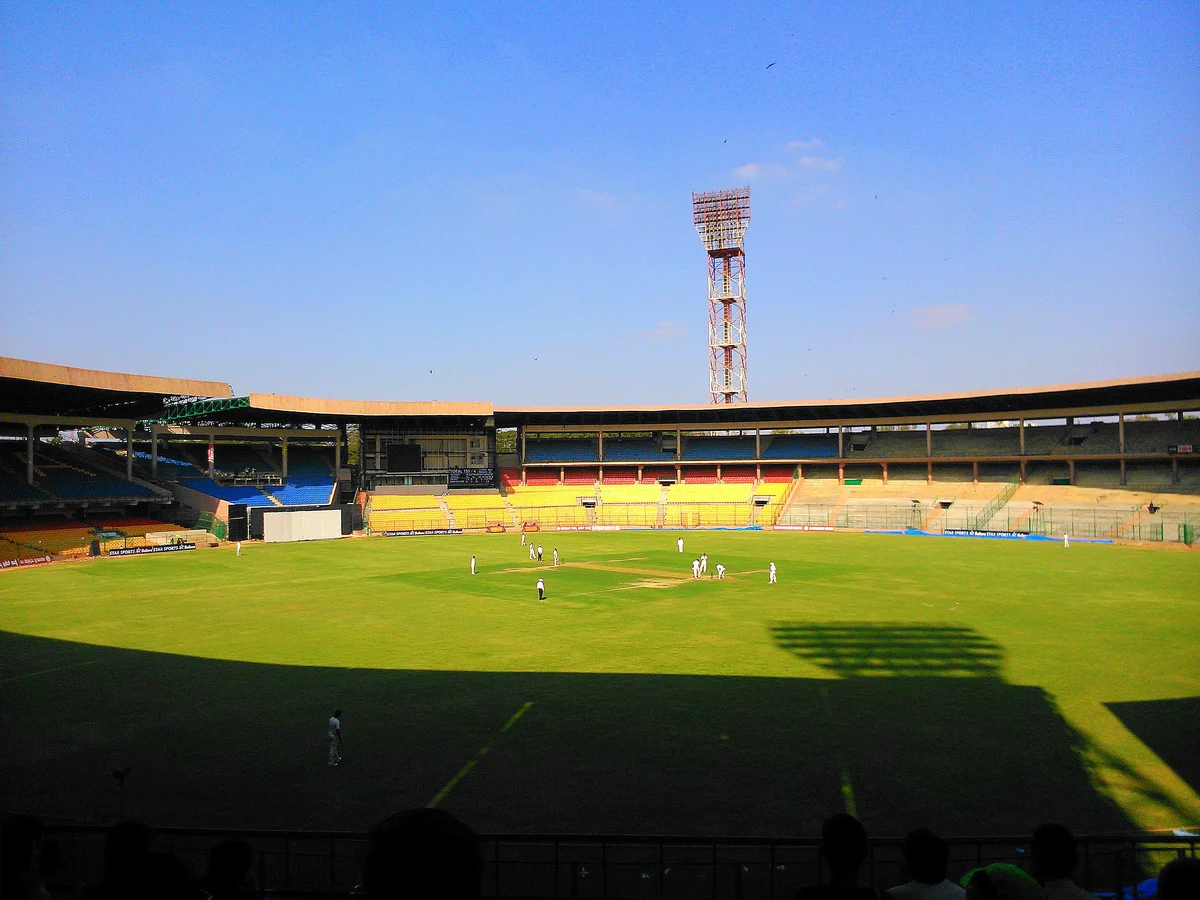
June 2018 brought Afghanistan’s first Test at the M. Chinnaswamy Stadium in Bengaluru. Shikhar Dhawan made 107 and Murali Vijay 105. India reached 474. Afghanistan made 109 and 103 after following on, giving India an innings-and-262-run win inside two days. A match can end before its scheduled final day while retaining its Test classification. Use the 14 June start date whether you are recording the debut or retrieving the full scorecard.
The debut Test and its 2026 successor also show how to read an innings margin. In the first Test, India’s single innings of 474 exceeded Afghanistan’s two combined totals of 212. In the second, India’s 564 exceeded Afghanistan’s 264. A declaration can end the leading side’s innings before ten wickets fall. A follow-on means the side that batted second begins its next innings immediately, as Afghanistan did in both matches.
- BCCI annual report 2009–10 – Afghanistan’s 2010 World T20 debut match
- PCB official archival scorecard – 1 May 2010 India vs Afghanistan
- ICC – India vs Afghanistan at the 2012 men’s World Twenty20
- BCCI – 5 March 2014 men’s Asia Cup ODI in Mirpur
- ICC – 14 June 2018 Afghanistan Test debut, day one
- ICC – result of Afghanistan’s first Test in Bengaluru
A tied Asia Cup ODI and contrasting World Cup games
Another major meeting in 2018 was the Asia Cup Super Four ODI in Dubai on 25 September. Mohammad Shahzad made 124 and Afghanistan finished on 252 for eight. India reached 252 but lost its final wicket in the last over, with Rashid Khan dismissing Ravindra Jadeja. The official result is a tie. That belongs to a 50-over fixture and should not be mistaken for a 20-over game followed by a tiebreaker.
At the 2019 men’s Cricket World Cup in Southampton, India defended 224 for eight by 11 runs. Afghanistan was dismissed for 213 and Mohammed Shami ended the chase with three wickets in three balls. The 2023 ODI World Cup meeting in Delhi was a more comfortable chase for India. Afghanistan made 272 for eight. India made 273 for two by the end of the 35th over, with Rohit Sharma scoring 131 from 84 balls.
In the 2021 men’s T20 World Cup, India made 210 for two against Afghanistan at Abu Dhabi and won by 66 runs after Afghanistan reached 144 for seven. The sides met in the T20 version of the Asia Cup in Dubai in 2022. India made 212 for two and won by 101 runs. Virat Kohli’s first T20I hundred in the latter match belongs to a separate tournament from the Abu Dhabi World Cup meeting.
- BCCI – Dubai 2018 Asia Cup tie match centre
- ICC – match report on the 2018 Asia Cup tie
- ICC – Shami’s hat-trick and the 2019 World Cup ODI result
- ICC – India vs Afghanistan at the 2021 men’s T20 World Cup
- BCCI – 8 September 2022 men’s Asia Cup T20I in Dubai
- ICC – Kohli’s first T20I hundred, 2022 Asia Cup
- ICC – India–Afghanistan 2023 men’s ODI World Cup result
The double Super Over and the June 2024 World Cup
The January 2024 bilateral T20I series started in Mohali on 11 January and continued at Indore three days later. India won by six wickets at both grounds. At Mohali it chased 159 after Afghanistan’s 158 for five. At Indore it chased 173 after bowling the visitors out for 172. A series search for this period should include Bengaluru on 17 January, where the method of deciding the match was very different.
At Bengaluru, India made 212 for four and Afghanistan made 212 for six. The first Super Over produced 16 runs for each side and the match still had no winner. India made 11 in the second. Afghanistan made one before losing its second wicket. India won the match and the series 3–0. Keep the tied original innings and the two tiebreakers as separate scoring stages.
On 20 June 2024 the sides met in the men’s T20 World Cup Super Eight at Kensington Oval, Barbados. India made 181 for eight and dismissed Afghanistan for 134 to win by 47 runs. Suryakumar Yadav made 53 from 28 balls and Jasprit Bumrah took three for seven. This game gave the rivalry a separate tournament result after the January series, in the same format but under a different competition and venue.
2026: a Test, two white-ball series and a washout
The second Test between the countries started in New Chandigarh on 6 June 2026 and ended on the third day. India declared at 564 for eight. Afghanistan made 152 and 112 after following on. India’s margin was an innings and 300 runs. Debutant Manav Suthar took six for 33 in the first innings. The ICC at the time described the win as India’s largest Test victory by innings margin.
The first ODI of the June tour moved from 14 to 13 June in the official BCCI update. It was played in Dharamshala, reduced to 25 overs per side, and India won by seven wickets. India won the second ODI at Lucknow by 170 runs and the third at Chennai by nine wickets. The series finished 3–0. Shubman Gill was the official player of the series with 364 runs.
The September Friendship Cup had the same 3–0 margin in the 20-over format. Afghanistan hosted all three matches at Arun Jaitley Stadium in Delhi on 13, 15 and 17 September. India won the first two by seven wickets and the third by 127 runs after making 221 for seven. Abhishek Sharma’s 30-ball century was part of the final match, and BCCI gives him 229 runs across the three games.
A separate September fixture belonged to the Asian Games. The quarter-final scheduled on 28 September in Japan was abandoned because of rain. There was no innings score. India advanced through its higher seeding. That is an advancement outcome. The three completed Friendship Cup wins had already occurred in a separate series. The event and match status keep the tournament records from being conflated.
The June ODI innings help distinguish the matches when their close dates show up in search. In the shortened Dharamshala opener, Afghanistan reached 194 and India replied with 195 for three. India batted first at Lucknow and reached 402 before dismissing Afghanistan for 232. At Chennai, Afghanistan reached 218 and India replied with 224 for one. The winning margins were seven wickets, 170 runs and nine wickets respectively.
- ICC – Afghanistan’s second men’s Test against India, 2026
- BCCI – updated June 2026 Afghanistan tour dates
- BCCI – Dharamshala 2026 first ODI result
- BCCI – Lucknow 2026 second ODI result
- BCCI – Chennai 2026 third ODI result
- BCCI and ACB – Afghanistan-hosted September 2026 Friendship Cup
- BCCI – September 2026 Friendship Cup T20I results and series report
- ICC – rain abandonment of the 2026 Asian Games quarter-final
- BCCI – Asian Games quarter-final match centre
Read ties, no-results and changed dates correctly
The October 2023 Asian Games gold-medal match also had no result, but an innings had progressed. Afghanistan made 112 for five in 18.2 overs before rain stopped play. India did not bat and received gold based on seeding. In 2026 seeding determined quarter-final advancement with no innings score. Those are two different event outcomes and each can be recorded alongside the match’s rain status.
For an ODI such as the 2018 Asia Cup tie, the official result belongs to the 50-over scorecard. For a match like Bengaluru 2024, list the level scores in the scheduled innings before the two Super Over scores. For a washout, record whether balls were played and whether the event advanced a team through a competition rule. With these fields, you can compare the results without treating a qualification as a completed win.
For a live or future fixture, check the latest BCCI or ICC match-centre entry. A country’s official announcement can correct an earlier day. The June 2026 tour’s first ODI is an example in which the match centre and the later board notice both identify 13 June. Use the played date for a historical citation and keep the old schedule only if you are explaining the date change. Open the companion scorecard guide when you need the innings figures or a player’s performance.
The entries for the 2018 tie and the 2024 tiebreaker can be read alongside their scorecards. A score of 252 all out in the last over ended the ODI when India lost its final wicket level with Afghanistan. In the 2024 T20I each side completed its original innings with wickets in hand. The tied total then triggered the extra overs. India’s eventual series sweep records the result after that playing condition had been applied.
India vs Afghanistan cricket results across Tests, ODIs and T20Is
- BCCI – Dubai 2018 Asia Cup tie match centre
- International Olympic Committee – 2023 Asian Games men’s gold-medal match
- ICC – Bengaluru double-Super-Over 2024 third T20I match centre
- BCCI – updated June 2026 Afghanistan tour dates
- BCCI – Dharamshala 2026 first ODI result
- ICC – rain abandonment of the 2026 Asian Games quarter-final
- BCCI – Asian Games quarter-final match centre
Sources
- BCCI annual report 2009–10 – Afghanistan’s 2010 World T20 debut match
- PCB official archival scorecard – 1 May 2010 India vs Afghanistan
- ICC – India vs Afghanistan at the 2012 men’s World Twenty20
- BCCI – 5 March 2014 men’s Asia Cup ODI in Mirpur
- ICC – 14 June 2018 Afghanistan Test debut, day one
- ICC – result of Afghanistan’s first Test in Bengaluru
- BCCI – Dubai 2018 Asia Cup tie match centre
- ICC – match report on the 2018 Asia Cup tie
- ICC – Shami’s hat-trick and the 2019 World Cup ODI result
- ICC – India vs Afghanistan at the 2021 men’s T20 World Cup
- BCCI – 8 September 2022 men’s Asia Cup T20I in Dubai
- ICC – Kohli’s first T20I hundred, 2022 Asia Cup
- International Olympic Committee – 2023 Asian Games men’s gold-medal match
- ICC – India–Afghanistan 2023 men’s ODI World Cup result
- ICC – Mohali 2024 first T20I match centre
- ICC – Indore 2024 second T20I match centre
- ICC – Bengaluru double-Super-Over 2024 third T20I match centre
- ICC – 20 June 2024 Barbados men’s T20 World Cup scorecard
- ICC – Afghanistan’s second men’s Test against India, 2026
- BCCI – updated June 2026 Afghanistan tour dates
- BCCI – Dharamshala 2026 first ODI result
- BCCI – Lucknow 2026 second ODI result
- BCCI – Chennai 2026 third ODI result
- BCCI and ACB – Afghanistan-hosted September 2026 Friendship Cup
- BCCI – September 2026 Friendship Cup T20I results and series report
- ICC – rain abandonment of the 2026 Asian Games quarter-final
- BCCI – Asian Games quarter-final match centre