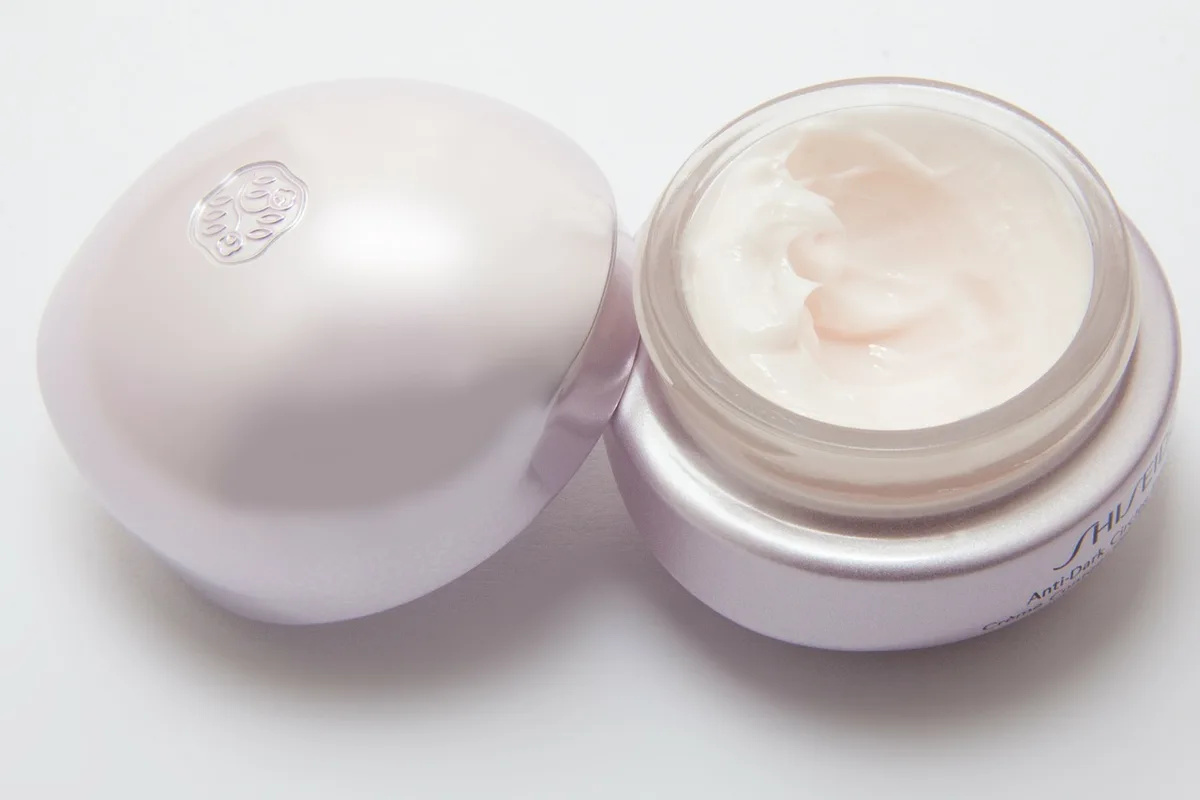
Build your routine around washing and moisturising
For everyday dry-skin care in India, start with a simple routine of gentle washing and moisturising, using a cream if a light lotion leaves skin feeling dry again soon. A lotion may be easier to use over larger areas, while a thicker ointment is an option for small dry areas where a heavier finish is practical.
Review the washing step and the moisturising step together. Washing and exposure to irritants can contribute to dryness, so consider whether repeated washing is part of the pattern. Pay attention to the area that feels rough or tight and the activity that preceded it. Washing hands repeatedly and washing the body once are different exposures even when the same moisturiser is used afterwards.
- Keep washing gentle and use warm water.
- Apply moisturiser after washing while the skin is still damp.
- Choose a texture you can use consistently.
- Ask a clinician about persistent or worsening symptoms.
Use the point in your routine when dryness returns to judge whether the current texture fits. Skin may feel comfortable straight after applying a moisturiser and dry again well before the next convenient application. That distinction helps you compare how long a format feels comfortable as well as how easily it spreads. An easy-spreading product may still be the one you prefer for areas that stay comfortable with it.
You can use different textures for different areas without redesigning the whole routine. Keep a texture that works for most of the body and consider a richer one for the areas where dryness keeps returning. A seasonal change can be equally small, such as using a cream more often during a period when the lotion feels insufficient.
The American Academy of Dermatology advises using a gentle cleanser and warm water for a brief shower or bath. It recommends patting skin dry and applying fragrance-free moisturiser while skin is still damp. Those steps give the washing and moisturising parts of a routine a clear order. If dryness continues or worsens despite a basic routine, follow up with a clinician for an assessment.
Choose between lotion, cream and ointment
Lotion generally spreads lightly, cream sits between lotion and ointment, and higher-oil ointments tend to feel heavier and last longer on the skin. The trade-off matters most when you are deciding where to apply the product and what you will do afterwards. A finish you find acceptable on a small patch may feel inconvenient over your whole body.
Think about the amount of skin you want to cover. Spreading a lotion across both legs is a different task from covering a small patch on the shin. Cream offers a middle ground when you want more body than a lotion with a finish you can comfortably wear under clothing. Gel is another lighter format described by the American Academy of Dermatology. Its usefulness for your routine depends on how the particular formula feels and how long the area stays comfortable.
Suppose the fronts of your shins feel dry again by evening, while the rest of your legs stay comfortable after lotion. A cream on the shins is a reasonable format to compare first. If rubbing fabric over a rich finish bothers you during the day, try the comparison at a time when that finish is easier to wear. The result can guide where and when you use each texture.
Format names give you an expectation about spread and finish. Turn to the ingredient list to see what the product combines. A light lotion can contain an ingredient that reduces evaporation, and a thick cream can include ingredients that attract or retain water. Both features can matter in the same routine.
Adjust for the conditions you actually spend time in
Cool wind, low humidity, direct heat and time in cold or heated indoor environments can all contribute to dryness. Start with the spaces where you spend the most time. An outdoor station reading describes conditions measured outside at a particular site. Indoor conditions depend on the room, including how it is cooled or heated and where you sit relative to moving air.
The India Meteorological Department’s 1991–2020 normals show how much one station can vary by season. At Jaipur station 42348, January’s mean daily minimum and maximum were 8.4 °C and 22.5 °C, with 5.9 mm of mean monthly rainfall. In July, those figures were 26.2 °C, 34.8 °C and 190.5 mm. These are outdoor station averages, so the comparison gives context for how the months differ.
At New Delhi’s Safdarjung station, the 1991–2020 January normal gives a mean daily minimum of 7.5 °C and a maximum of 20.1 °C, with 19.2 mm of mean total rainfall. IMD’s separate September table for New Delhi gives mean daily minimum and maximum temperatures of 25.0 °C and 34.1 °C, with relative humidity of 60% and 76% in its daily minimum and maximum columns. Rainfall and relative humidity describe different measurements.
For a current spell of weather, look up the relevant city or station in IMD’s weather service and check the observation date. Use the climate normals when the question is how the area typically varies by month. To make a routine choice, consider when the dryness actually appears, such as after time in a heated room or a windy commute, alongside any changes in washing.
Read ingredients by what they do
Humectants help attract or retain water. Glycerine, also written as glycerin, is a familiar example on Indian moisturiser labels. Hyaluronic acid is another ingredient discussed in moisturiser guides, and sodium hyaluronate is a name you may encounter on the pack. When you save a product for comparison, copy the specific name from the ingredient list so you can match it to the pack later.
| Ingredient role | Examples | What it does in a formula |
|---|---|---|
| Humectant | Glycerin, sodium hyaluronate | Helps attract or retain water |
| Emollient | Glyceryl stearate | Helps soften and smooth the skin |
| Occlusive | Petrolatum, mineral oil, paraffin, dimethicone | Helps slow evaporation from the skin |
Emollients help soften and smooth the skin. DermNet gives glyceryl stearate as an example. Occlusive ingredients help reduce evaporation from the skin, and examples include petrolatum, paraffin, mineral oil and dimethicone. These roles can coexist in a single product. When comparing labels, look at how the formula combines them and use the format to anticipate the feel of the finished product.
Ceramides can appear as several individual names in the same list. A pack that lists Ceramide NP, Ceramide AP and Ceramide EOP is naming three ingredients. That tells you which ceramides are listed, while the full formula, their amounts and how the product performs are separate questions. A front label highlighting ceramides can point you to the details in the ingredient panel.
Suppose you are choosing between a lotion that lists glycerin and dimethicone and a cream that lists those two ingredients plus petrolatum. Both combine a humectant and an occlusive. If your priority is quick spreading across the body, start the comparison with the lotion. If your priority is a fuller texture on a smaller area, the cream is the more relevant format to examine. The ingredient names alone cannot tell you how either will feel.
Compare three Indian moisturiser labels
The Indian manufacturer listings below show three different combinations of texture and ingredients. Cetaphil Moisturising Lotion is described as a lightweight, fragrance-free lotion. Its list begins with water and glycerin and includes glyceryl stearate and dimethicone. This example makes it possible to see a humectant, an emollient and an occlusive on the same lightweight product label.
CeraVe Moisturising Cream lists glycerin, petrolatum, dimethicone, cholesterol and three ceramides. The manufacturer uses the broader hyaluronic acid wording in its headline, while the ingredient list specifies sodium hyaluronate. When checking whether the page and a pack describe the same formula, the exact ingredient panel provides the more precise comparison.
The specific India listing for Vaseline Skin Protecting Jelly names mineral oil, paraffin, microcrystalline wax, tocopheryl acetate and fragrance. Treat that list as evidence for the product identified in the table. The wider brand includes variants, and general descriptions of the brand’s jelly leave out the detail needed to establish what is in this particular SKU.
| India listing | Format | Selected ingredients or fragrance statement | What to verify on the pack |
|---|---|---|---|
| Cetaphil Moisturising Lotion | Lotion | Glycerin, glyceryl stearate and dimethicone. Labelled fragrance free. | India listing 8906005271624-1-1 and formula FIL.1745.V00 when shown. |
| CeraVe Moisturising Cream | Cream | Glycerin, petrolatum, dimethicone, Ceramide NP/AP/EOP, sodium hyaluronate and cholesterol. | Use the cream ingredient list and compare the exact pack. |
| Vaseline Skin Protecting Jelly | Jelly | Mineral oil, paraffin, microcrystalline wax, tocopheryl acetate and fragrance. | Check that the pack matches listing 08901030713880. |
Use the examples to decide which attributes matter before you shop. A preference for a lighter body texture and a requirement for a fragrance-free claim are two separate filters. A thicker product can meet the texture preference of someone shopping for a small dry area while falling outside their fragrance preference. The manufacturer information documents listed ingredients and claims. It leaves local stock, individual suitability and comparative benefit to separate evidence.
- DermNet clinician-authored moisturizer format and ingredient reference
- American Academy of Dermatology moisturizer guide with named specialist contributors
- India manufacturer listing for Cetaphil Moisturising Lotion
- India manufacturer listing for CeraVe Moisturising Cream
- India manufacturer listing for Vaseline Skin Protecting Jelly
Verify the current pack and its fragrance claim
Fragrance-free and unscented are different claims. The American Academy of Dermatology notes that products described as unscented can contain compounds used to mask odour. If avoiding added fragrance is part of your comparison, look for the explicit fragrance-free wording on the exact product and read the ingredient panel where available. How strongly a product smells answers a different question.
For an online purchase, find the manufacturer’s India listing for the precise variant and check the seller’s pack images. Match the variant and pack size, then use the product code or formulation identifier where one is shown. When the product arrives, read the physical pack. If two ingredient panels differ, retain both as evidence and ask the manufacturer which formula corresponds to the pack identifier you have.
India’s Cosmetics Rules 2020 give a limited way to interpret ingredient order. Under Rule 34(7), ingredients above 1% are listed in descending order by weight or volume at the time of addition. Ingredients at 1% or less can follow in any order. The provision includes an exception for liquid packs of 60 ml or less and solid or semisolid packs of 30 g or less. Use the current official text from the Central Drugs Standard Control Organisation to check the rule and any amendments.
An ingredient appearing early in one list cannot tell you its exact concentration or how its concentration compares with a second product. Likewise, adjacent names towards the end of a list may be ordered freely under the rule. Use the panel to establish which ingredients are listed, and keep concentration and relative performance as questions that require other evidence.
- American Academy of Dermatology moisturizer guide with named specialist contributors
- India manufacturer listing for Cetaphil Moisturising Lotion
- India manufacturer listing for CeraVe Moisturising Cream
- India manufacturer listing for Vaseline Skin Protecting Jelly
- CDSCO India Cosmetics Rules 2020, Rule 34(7)
- American Academy of Dermatology, public dry skin guidance
Know when a routine comparison has reached its limit
DermNet uses xerosis or xeroderma to describe skin that lacks moisture. It lists roughness, scaling and itching among the possible features. These descriptions can help you explain what you are noticing. A city, a month and a humidity reading still leave many possible influences, including washing, irritants, medication and underlying conditions.
Keep an observation specific enough to act on. The location of the dryness, when it started, whether it is spreading or worsening, and the products used on that area are details you can describe. If you have changed both your washing routine and your moisturiser at the same time, record both changes. Remembering the newest cream alone can obscure other changes that happened over the same period.
Suppose the backs of your hands stay rough and increasingly itchy after you switch from a lotion to a cream. A list of local weather readings or an additional product comparison offers little help with the next decision. The pattern has continued through a change in format, and the worsening itch is a detail to bring to a clinician. Take the ingredient list or a clear photo of the pack if you want to show exactly what you used.
The American Academy of Dermatology identifies persistent or worsening symptoms as a reason for clinical evaluation. A dermatologist can consider the symptom pattern together with factors a cosmetic label or climate table cannot assess. That is where questions about the cause and any need for treatment belong.
Sources
- DermNet dermatologist-authored dry skin overview
- DermNet clinician-authored moisturizer format and ingredient reference
- American Academy of Dermatology moisturizer guide with named specialist contributors
- IMD climate reference for New Delhi (Safdarjung)
- IMD climate reference for Jaipur station 42348
- India manufacturer listing for Cetaphil Moisturising Lotion
- India manufacturer listing for CeraVe Moisturising Cream
- India manufacturer listing for Vaseline Skin Protecting Jelly
- CDSCO India Cosmetics Rules 2020, Rule 34(7)
- Open neutral cosmetic cream photo by stux
- American Academy of Dermatology dry-skin overview
- India Meteorological Department weather and climate services
- American Academy of Dermatology, public dry skin guidance
