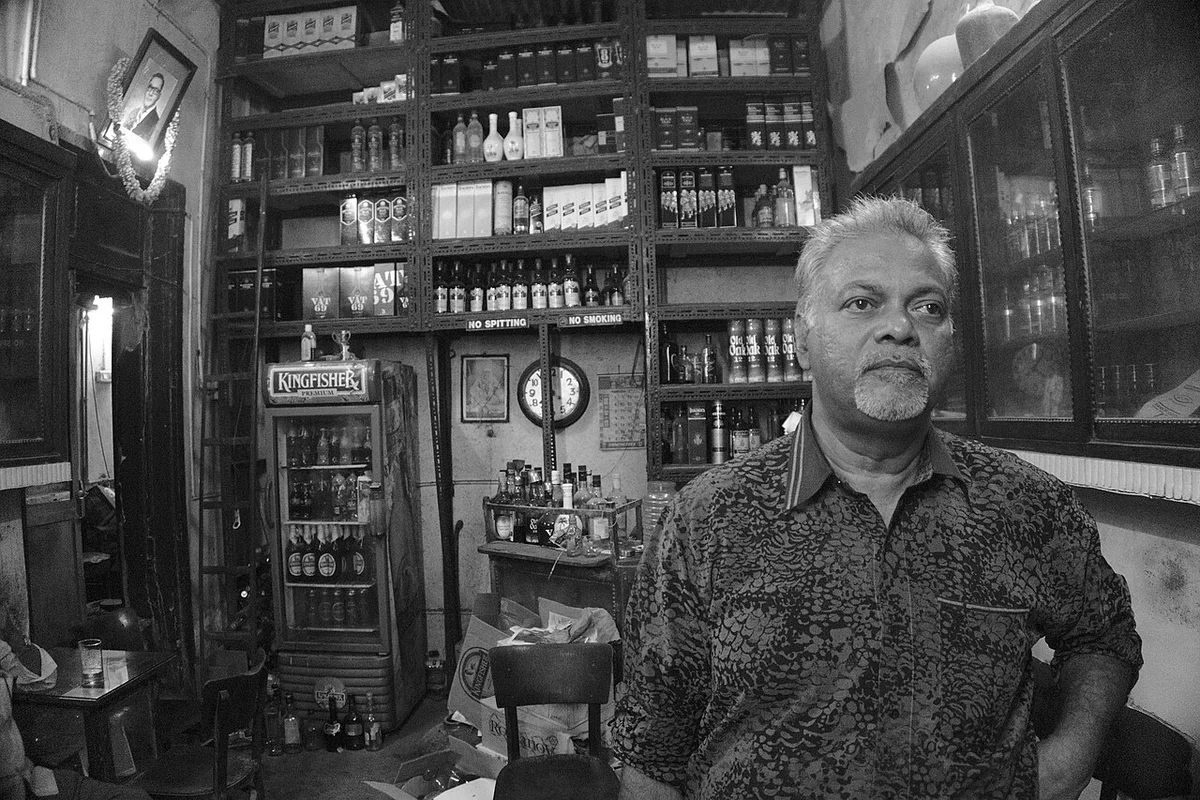
Find the alcohol age rule for your jurisdiction
India has no single national drinking age. Delhi’s verified sale and delivery rule uses 25, Goa’s licensed sale and delivery rule uses 21, and Kerala’s law uses 23 for consumption or use as well as sale. Use the table to check the rule for your state or union territory and the activity you mean.
| Jurisdiction | Age or status | Activity | Scope and official provision | Jurisdiction type |
|---|---|---|---|---|
| Andaman and Nicobar Islands | 18 | Sale or delivery | Excise Regulation 2012, Section 24. Applies to liquor sale or delivery. | Union territory |
| Andhra Pradesh | 21 | Licensee sale or gift | Excise Act Section 36(1)(g). Also refers to presence on the premises described in that clause. | State |
| Arunachal Pradesh | 21 | Sale or delivery of spirit | Excise Act Section 42(1)(c). The alcohol labelling rule also requires a no-sale-under-21 statement. | State |
| Assam | 21 | Licensed sale | Excise Rules 2016, Rule 308(5), applies to intoxicants. | State |
| Bihar | Prohibition | Purchase, possession, sale and consumption | Prohibition and Excise Act Section 13. Specific authorisations have their own scope. | State |
| Chandigarh | 25 | Licensed sale or delivery | Punjab Excise Act Section 29 as published by Chandigarh. Haryana’s amendment applies in Haryana. | Union territory |
| Chhattisgarh | 21 | Licensed sale or delivery | Excise Act Section 23 in the state compilation. | State |
| Dadra and Nagar Haveli and Daman and Diu | 21 | Licensed sale or delivery | Section 19 of the applied base Act. UT records confirm implementation of the 2020 framework. | Union territory |
| Delhi | 25 | Sale or delivery | Delhi Excise Act Section 23. Section 40 separately addresses public drinking. | Union territory |
| Goa | 21 | Licensed sale or delivery | Excise Duty Act Section 19, which replaced 18 in an earlier amendment. | State |
| Gujarat | Prohibition | Sale, purchase, possession and consumption | Prohibition Act Sections 11–13. The GIFT City condition below is narrower. | State |
| Gujarat · GIFT City | 21 | Specific licensed on-premises service | Amended Gazette condition 12, limited to the GIFT City permission framework. | State |
| Haryana | 21 | Licensed sale or delivery | Section 29 as amended by Haryana Act 8 of 2022. The old base figure was 25. | State |
| Himachal Pradesh | 18 | Licensed sale or delivery | Excise Act Section 26(1), the statutory baseline for the licensed seller. | State |
| Jammu and Kashmir | Unverified | Customer age unresolved | Official records identify the governing legislation and 2026–27 policy. Current customer provision unresolved. | Union territory |
| Jharkhand | 21 | Sales guidance | Department publishes the under-21 prohibition. A Gazette beer and wine category also specifies 21. | State |
| Karnataka | 21 | Licensed sale or gift on premises | General Conditions of Licences, Rule 10(1)(e). A different statutory penalty provision uses 18. | State |
| Kerala | 23 | Consumption or use, and sale | Abkari Act Sections 15A and 15B after the amendment. | State |
| Ladakh | Unverified | Customer age unresolved | The 2026–27 policy has age provisions for other roles, including applicants. An operative customer number remains unverified. | Union territory |
| Lakshadweep | 21 in promulgated text | Sale or delivery, commencement unverified | 2026 Regulation Sections 1(3), 22 and 102. Separate commencement notification required. | Union territory |
| Madhya Pradesh | 21 | Licensed sale or delivery | Excise Act Section 23. Check separately for location-specific restrictions. | State |
| Maharashtra | 25 | Ordinary personal permit | Rule 70D uses not below 25 outside Wardha. The department’s current service page says above 25. Check directly if aged exactly 25. | State |
| Maharashtra · Form E | 21 | Mild liquor or wine at licensed Form E venue | Rule 5(7). Other beverages, permits and licence types can have different conditions. | State |
| Maharashtra · resident exception | 21 | Defined mild liquor exception outside Wardha | Rule 70F has residency, beverage, district and activity conditions. | State |
| Manipur | Partial prohibition | Age in exempt settings unresolved | Official report says the prohibition was partly lifted within defined settings in December 2023. | State |
| Meghalaya | 21 | Licensed IMFL home delivery | Rule 316(A)(13)–(14). Current general customer age for other purchase routes unverified. | State |
| Mizoram | Prohibition with beverage exceptions | Licensed local wine and fruit beer exceptions | 2025 amendment specifies the beverage exceptions. Customer age within them remains unverified. | State |
| Nagaland | Prohibition | Possession, sale, purchase and consumption | Total Prohibition Act Section 3. Specific permits are narrower than the state baseline. | State |
| Odisha | 21 | Licensed sale or delivery of spirit | Excise Act Sections 2 and 61(1)(c). The age provision specifies spirit. | State |
| Puducherry | 18 | Licensee sale or gift | Excise Act Section 35(1)(g). Check the specific establishment’s applicable licence. | Union territory |
| Punjab | 25 | Licensed sale or delivery | Punjab Excise Act Section 29 as applicable in Punjab. | State |
| Rajasthan | 18 | Licensed sale or delivery | Excise Act Section 22(1)(a) and its explanation. Possession is treated separately. | State |
| Sikkim | 18 | Licensed sale or delivery | Excise Act Section 20 contains separate restrictions, including wording about students. | State |
| Tamil Nadu | 21 | Licensed sale, supply or service | Rules 11-A and 15-A for covered retail settings and the separate licence conditions for named FL classes. | State |
| Telangana | 21 | Licensed sale or gift | Excise Act Section 36(1)(g), including the specific premises scope. | State |
| Tripura | 21 | Licensed sale or delivery of spirit | Excise Act Section 53(1)(c). Verify the current licence for other beverages. | State |
| Uttar Pradesh | 21 | Licensed sale or delivery | Excise Act Section 22 and the 2025 composite shop licence condition. | State |
| Uttarakhand | 21 | Licensed sale or delivery | Section 22 in the Uttarakhand compilation. District rules can add other restrictions. | State |
| West Bengal | 21 | Licensed Foreign Liquor sale or delivery | Notification 2067-F.T. The verified licence condition is for Foreign Liquor. | State |
The Constitution puts intoxicating liquors on the State List, which covers matters such as sale, purchase, possession and transport. That division helps explain why the familiar phrase “drinking age” can produce several answers. A shop sale, a drink served in a bar, a bottle carried into another jurisdiction and consumption at a private gathering can each raise a different legal question. The tables give the threshold for the activity stated in each row.
There is also a national supplier-side rule. Sections 2(12) and 77 of the Juvenile Justice (Care and Protection of Children) Act 2015 cover giving or causing intoxicating liquor to be given to a child under 18, with a narrowly worded medical exception. At 18, a person ceases to fall within that definition of child. Local sale and service rules can still require a higher age, and local prohibition can still apply.
The table covers 28 states and eight union territories, with separate rows for three narrow exceptions. Age entries retain the scope of the checked provision. Four jurisdictions lack a verified number for the general active customer rule on the evidence available here, and several more have a verified age that applies to only one beverage or sales channel. The table marks those differences in the activity and scope columns.
- India — Constitution, Seventh Schedule List II entry 8
- Delhi — Delhi Excise Act 2009, sections 23 and 40
- Goa — Goa Excise Duty Act 1964, section 19
- Kerala — Abkari (Amendment) Bill 2018 and enacted amendment
- Bihar — Prohibition and Excise Act 2016, section 13
- India — Juvenile Justice (Care and Protection of Children) Act 2015, sections 2(12) and 77
- Rajasthan — Excise Act 1950, section 22(1)(a) and Explanation
- Karnataka Assembly proceedings, 15 December 2021, reproduction of Rule 10(1)(e)
- Tamil Nadu Licence and Permit Rules, including named FL classes
- Enacted Kerala Abkari amendment, Gazette archive
- Dadra and Nagar Haveli and Daman and Diu, official implementation record
- Maharashtra State Excise, current FL-XC permit service wording
- Gujarat Gazette, GIFT City amendment of 20 December 2025
State-by-state alcohol age and prohibition rules
Read across the row before relying on its number. A provision covering any intoxicant has different wording from one covering spirit, Foreign Liquor under a particular licence, or a specific delivery channel. Several statutes use an apparent-age test for the supplier. The table preserves that qualification where the cited rule uses it. Instrument years and dated amendments identify the relevant legal records. A year in an Act’s title can precede the introduction of the age now found in it.
Several rows have limits that matter even when two states show the same number. Meghalaya’s rule expressly covers licensed home delivery of Indian-made foreign liquor. It supplies no answer for service at a bar. Jharkhand’s department gives 21 as its public sales guidance, and the Gazette confirms that age for the covered beer and wine retail category. West Bengal’s verified provision comes from a licence condition for Foreign Liquor, a term whose legal scope should be checked before using the entry for a particular drink.
Odisha and Tripura illustrate the importance of the word “spirit.” Both entries use 21 for licensed sale or delivery of spirit, and Tripura’s provision also names intoxicating drugs. Before using either entry for beer or wine, look for the definition in the applicable Act and the conditions of the licence covering that beverage. Sikkim presents a different limitation. Its age clause also names students, so reaching 18 answers only the age part of the question.
- Maharashtra — Bombay Foreign Liquor Rules 1953, Rules 70D and 70F
- Maharashtra — Bombay Special Permits and Licences Rules 1952, Rule 5(7) and Form E
- Karnataka — Karnataka Excise Act 1965 §36(1)(g) and General Conditions Rule 10(1)(e)
- Goa — Goa Excise Duty Act 1964, section 19
- Kerala — Abkari (Amendment) Bill 2018 and enacted amendment
- Tamil Nadu — Liquor Retail Vending (in Shops and Bars) Rules 2003
- Bihar — Prohibition and Excise Act 2016, section 13
- Gujarat — Gujarat Prohibition Act 1949, sections 11–13 and 65–66
- Nagaland — Nagaland Liquor Total Prohibition Act 1989, section 3
- Mizoram — Liquor (Prohibition) Amendment Act 2025, Gazette Ex-179
- Manipur — Assembly, Excise Department 2025–26 administrative report
- Andhra Pradesh — Excise Act 1968, section 36(1)(g)
- Arunachal Pradesh — Excise Act 1993, section 42(1)(c) and Excise rule label
- Assam — Excise Rules 2016, Rule 308(5)
- Chandigarh — Punjab Excise Act as applied, section 29
- Chhattisgarh — Excise Act 1915 as applied, section 23
- Himachal Pradesh — Excise Act 2011, section 26(1)
- Jharkhand — Excise Department public sales statement
- Madhya Pradesh — Excise Act 1915, section 23
- Odisha — Excise Act 2008, sections 2 and 61(1)(c)
- Puducherry — Excise Act 1970, section 35(1)(g)
- Rajasthan — Excise Act 1950, section 22(1)(a) and Explanation
- Sikkim — Excise Act 1992, section 20
- Telangana — Excise Act 1968 as adapted, section 36(1)(g)
- Tripura — Excise Act 1987, section 53(1)(c)
- Uttar Pradesh — United Provinces Excise Act 1910, section 22 and composite-shop conditions
- West Bengal — Excise Directorate notification 2067-F.T., 16 December 2022
- Gujarat — GIFT City exception, Gazette conditions of 30 December 2023 and 20 December 2025
- Meghalaya — 27 August 2020 Gazette, Rule 316(A)(13)–(14)
- Uttarakhand — State-adapted United Provinces Excise Act 1910, section 22
- India Code Goa excise duty statutes and rules
- Goa Excise Department’s published statute compilation
Union territory alcohol age rules
Use the union territory entry even where a neighbouring state publishes an Act with the same name. Chandigarh’s published section 29 gives 25 for licensed sale or delivery. The compilation also contains the amendment lowering Haryana’s threshold to 21, and that amendment applies to Haryana. A 22-year-old comparing a licensed purchase in Chandigarh with one across the boundary in Haryana would therefore encounter different age provisions under the same historical Act title.
In Lakshadweep, the distinction is between promulgation and commencement. The regulation promulgated on 5 June 2026 sets out a sale and delivery age of 21 in section 22. Section 1(3) calls for a separate Administrator’s notification to bring the regulation into force, and section 102 provides for repeal of the 1979 prohibition instrument with savings when effective. The commencement notice and applicable local licence terms are the records needed to establish what operates at a particular location.
Dadra and Nagar Haveli and Daman and Diu has a different commencement issue. The 2020 regulation extends the Daman-and-Diu version of the excise law to Dadra and Nagar Haveli subject to modifications and a separately appointed date. The territory’s own reform certificate confirms implementation by March 2025, supporting the applied section 19 threshold of 21. The precise extension day remains useful for a historical lookup, and Goa’s current law is a separate jurisdictional record.
- Delhi — Delhi Excise Act 2009, sections 23 and 40
- Goa — Goa Excise Duty Act 1964, section 19
- Lakshadweep — Excise Regulation 2026 as promulgated, sections 1(3), 22 and 102
- Andaman and Nicobar Islands — Excise Regulation 2012, section 24
- Chandigarh — Punjab Excise Act as applied, section 29
- Dadra and Nagar Haveli and Daman and Diu — Extension with Modifications Excise Regulation 2020
- Punjab — Excise Act 1914, section 29
- Jammu and Kashmir — Excise Act Samvat 1958 and indexed current territory policy
- Ladakh — Excise Policy 2026–27, S.O. 198 and UT excise publication
Sale, service, consumption and possession
Kerala supplies an explicit answer for two activities. Section 15A of its Abkari Act addresses the person consuming or using liquor, and section 15B addresses sale. The enacted amendment raised both ages from 21 to 23 and was deemed effective from 21 December 2017. The Kerala State Beverages Corporation also publishes 23 for customers using its purchase and booking channels. Tamil Nadu’s verified rules use 21 for sale or service in the covered retail, bar and separately licensed categories. A distinct private consumption threshold remains unverified there.
Delhi’s section 23 reaches sale or delivery to a person apparently under 25, including delivery for someone else’s consumption. Section 40 separately addresses consumption in a public place and public drinking that creates a nuisance. An event may also be subject to conditions under its own permit. For an editorial entry about a Delhi event, identify the sale or delivery rule and then look up the relevant event conditions and public-place provision. A single number cannot describe all three.
Another clue is who the provision regulates. Andhra Pradesh’s threshold appears in a penalty clause governing a licence or permit holder or representative. The clause also addresses allowing someone apparently under 21 to remain on the specified premises. Rajasthan deals with licensed sale or delivery under section 22 and has a separate possession provision in section 19. If the question is about carrying a sealed bottle, the possession and transport provisions for the relevant jurisdiction are the starting point.
- Delhi — Delhi Excise Act 2009, sections 23 and 40
- Karnataka — Karnataka Excise Act 1965 §36(1)(g) and General Conditions Rule 10(1)(e)
- Kerala — Abkari (Amendment) Bill 2018 and enacted amendment
- Tamil Nadu — Liquor Retail Vending (in Shops and Bars) Rules 2003
- Andhra Pradesh — Excise Act 1968, section 36(1)(g)
- Rajasthan — Excise Act 1950, section 22(1)(a) and Explanation
- Uttar Pradesh — United Provinces Excise Act 1910, section 22 and composite-shop conditions
Maharashtra’s permits, beer and wine rules
Maharashtra’s ordinary personal permit rule bundles purchase, possession, transport, use and consumption. Rule 70D uses “not below 25” outside Wardha for the covered foreign liquor and country liquor permit. The department’s service page uses “above 25.” For someone aged exactly 25, those phrases produce different readings. The State Excise Department can clarify how it applies the wording to that permit. The age condition is one part of eligibility, and the permit itself is a separate requirement.
There are two distinct provisions to check at 21. Rule 70F(1) describes a personal purchase, possession and transport exception for specified mild beverages for state residents outside Wardha. Rule 5(7) separately sets 21 for customers supplied mild liquor or wine under a Form E licence, for consumption on or off the premises. The Form E definition covers foreign liquor at or below 5% alcohol by volume as mild liquor and names wine separately.
For a 22-year-old visitor looking to order wine, the useful question is whether the venue serves it under Form E. That licence condition speaks directly to the proposed service, while the Rule 70F exception has its own residence and beverage conditions. A purchase through a different channel would require its own licence and permit check. Maharashtra State Excise also lists district prohibition orders for Wardha and Gadchiroli. Use the current district order when the location falls within its scope.
Prohibition and local exceptions
In Bihar and Nagaland, the baseline provisions cover purchase, possession, sale and consumption. The practical first question is whether a specific authorization covers the activity. Bihar’s 2022 amendment addressed enforcement and penalties for consumption under section 37, while section 13 supplies the baseline prohibition. Nagaland’s section 3 declares total prohibition, with specific permit provisions available only within their stated scope. A change to how an offence is penalized has to be read alongside the underlying prohibition.
Gujarat’s GIFT City exception has a defined location and service channel. The December 2023 conditions set 21 for the covered permit groups. The Gazette order of 20 December 2025 retained 21 and added an External Person category. The exception concerns licensed on-premises service within GIFT City. A 24-year-old comparing a drink at a licensed GIFT City venue with a takeaway purchase elsewhere in Gujarat needs the venue’s current authorization for the first question and the statewide prohibition framework for the second.
Mizoram and Manipur require different kinds of verification. Mizoram’s 2025 amendment specifies regulated licences involving locally sourced wine and local fruit beer within its prohibition framework. The unresolved detail is the customer age under those exceptions. Manipur’s department describes a partial lifting covering categories including Greater Imphal, district headquarters, tourist locations and registered hotels with at least 20 lodging rooms. To assess a specific place, check the original notification, the operator’s authorization and subsequent restrictions. The administrative report leaves both the precise local coverage and customer age open.
- Bihar — Prohibition and Excise Act 2016, section 13
- Gujarat — Gujarat Prohibition Act 1949, sections 11–13 and 65–66
- Nagaland — Nagaland Liquor Total Prohibition Act 1989, section 3
- Mizoram — Liquor (Prohibition) Amendment Act 2025, Gazette Ex-179
- Manipur — Assembly, Excise Department 2025–26 administrative report
- Gujarat — GIFT City exception, Gazette conditions of 30 December 2023 and 20 December 2025
How to verify a threshold that may have changed
Start with the excise department for the jurisdiction where the transaction or activity will take place. Find the applicable Act or regulation, then identify the rules or licence conditions for the seller and beverage. Check the Gazette for amendments to the exact provision and read any separate commencement clause. Kerala illustrates the value of that sequence. The Assembly bill explains which sections were changing, and the enacted amendment supplies the operative text and the date from which the change was deemed effective.
When two official sources carry different ages, compare their provisions and dates. Goa’s consolidated section 19 records the 1976 substitution of 21 for 18, and more recent departmental guidance uses 21. An older departmental compilation still shows 18. Karnataka’s two numbers have a different explanation. Section 36 contains a penalty clause using 18, while Rule 10(1)(e), reproduced in the Assembly proceedings of 15 December 2021, sets 21 for the licensee’s sale or gift on the premises. Check subsequent amendments to that rule when confirming the applicable licence restriction.
A policy announcement or a policy period can help locate the governing material. For Jammu and Kashmir, the missing piece is the current official customer clause in the applicable Liquor Licence and Sale Rules, with Rule 38(11)(h) a provision to check. For Ladakh, the 2026–27 policy’s references to 21 concern certain bidders and workers. Find the customer clause in the territory’s applicable rules before assigning an age. If the official text remains unavailable, record the precise gap so that the next check can resolve it.
- India — Constitution, Seventh Schedule List II entry 8
- Delhi — Delhi Excise Act 2009, sections 23 and 40
- Karnataka — Karnataka Excise Act 1965 §36(1)(g) and General Conditions Rule 10(1)(e)
- Goa — Goa Excise Duty Act 1964, section 19
- Kerala — Abkari (Amendment) Bill 2018 and enacted amendment
- Assam — Excise Rules 2016, Rule 308(5)
- Chandigarh — Punjab Excise Act as applied, section 29
- Jammu and Kashmir — Excise Act Samvat 1958 and indexed current territory policy
- Ladakh — Excise Policy 2026–27, S.O. 198 and UT excise publication
- India Code Goa excise duty statutes and rules
- Goa Excise Department’s published statute compilation
Sources
- India — Constitution, Seventh Schedule List II entry 8
- Delhi — Delhi Excise Act 2009, sections 23 and 40
- Maharashtra — Bombay Foreign Liquor Rules 1953, Rules 70D and 70F
- Maharashtra — Bombay Special Permits and Licences Rules 1952, Rule 5(7) and Form E
- Karnataka — Karnataka Excise Act 1965 §36(1)(g) and General Conditions Rule 10(1)(e)
- Goa — Goa Excise Duty Act 1964, section 19
- Kerala — Abkari (Amendment) Bill 2018 and enacted amendment
- Tamil Nadu — Liquor Retail Vending (in Shops and Bars) Rules 2003
- Bihar — Prohibition and Excise Act 2016, section 13
- Gujarat — Gujarat Prohibition Act 1949, sections 11–13 and 65–66
- Nagaland — Nagaland Liquor Total Prohibition Act 1989, section 3
- Mizoram — Liquor (Prohibition) Amendment Act 2025, Gazette Ex-179
- Manipur — Assembly, Excise Department 2025–26 administrative report
- Lakshadweep — Excise Regulation 2026 as promulgated, sections 1(3), 22 and 102
- India — Juvenile Justice (Care and Protection of Children) Act 2015, sections 2(12) and 77
- Andaman and Nicobar Islands — Excise Regulation 2012, section 24
- Andhra Pradesh — Excise Act 1968, section 36(1)(g)
- Arunachal Pradesh — Excise Act 1993, section 42(1)(c) and Excise rule label
- Assam — Excise Rules 2016, Rule 308(5)
- Chandigarh — Punjab Excise Act as applied, section 29
- Chhattisgarh — Excise Act 1915 as applied, section 23
- Dadra and Nagar Haveli and Daman and Diu — Extension with Modifications Excise Regulation 2020
- Himachal Pradesh — Excise Act 2011, section 26(1)
- Jharkhand — Excise Department public sales statement
- Madhya Pradesh — Excise Act 1915, section 23
- Odisha — Excise Act 2008, sections 2 and 61(1)(c)
- Puducherry — Excise Act 1970, section 35(1)(g)
- Punjab — Excise Act 1914, section 29
- Rajasthan — Excise Act 1950, section 22(1)(a) and Explanation
- Sikkim — Excise Act 1992, section 20
- Telangana — Excise Act 1968 as adapted, section 36(1)(g)
- Tripura — Excise Act 1987, section 53(1)(c)
- Uttar Pradesh — United Provinces Excise Act 1910, section 22 and composite-shop conditions
- West Bengal — Excise Directorate notification 2067-F.T., 16 December 2022
- Gujarat — GIFT City exception, Gazette conditions of 30 December 2023 and 20 December 2025
- Meghalaya — 27 August 2020 Gazette, Rule 316(A)(13)–(14)
- Uttarakhand — State-adapted United Provinces Excise Act 1910, section 22
- Jammu and Kashmir — Excise Act Samvat 1958 and indexed current territory policy
- Ladakh — Excise Policy 2026–27, S.O. 198 and UT excise publication
- Image — Goa bar in Panjim by Frederick Noronha
- India Code Goa excise duty statutes and rules
- Goa Excise Department’s published statute compilation
- Goa Government’s more recent Excise Citizen Charter
- Karnataka Assembly proceedings, 15 December 2021, reproduction of Rule 10(1)(e)
- Tamil Nadu Licence and Permit Rules, including named FL classes
- Enacted Kerala Abkari amendment, Gazette archive
- Dadra and Nagar Haveli and Daman and Diu, official implementation record
- Maharashtra State Excise, current FL-XC permit service wording
- Gujarat Gazette, GIFT City amendment of 20 December 2025
