Where the statue is and what to book
The Statue of Unity is a 182-metre monument to Sardar Vallabhbhai Patel in Ekta Nagar, Gujarat, near the Sardar Sarovar Dam. Choose standard entry for the monument precinct and exhibition, choose Viewing Gallery for timed access to the 153-metre viewing level, and use Gujarat Tourism’s 2½-hour estimate as a starting point for the monument visit.
The statue was inaugurated in October 2018 and honors independent India’s first Deputy Prime Minister and Home Minister. It stands at Sadhu Bet, which Gujarat’s attraction inventory places about 3.5 kilometres south of the dam. That figure describes the relative location of two landmarks. For journey planning, use the specific attraction or boarding point you need as your destination, since the area contains several separately identified stops and sights.
A search for the India statue often starts with the landmark itself, but the practical decision is how much of Ekta Nagar you want to see. The standard ticket already includes the Valley of Flowers and a dam viewpoint, so you can make a visit around the monument and those inclusions with one admission product. A trip built around the dam, other gardens or boating needs more decisions about individual attractions and the time to move between them.
Famous monuments and landmarks in India by regionLongest rivers in India: a sourced comparison of lengths and basins
Compare standard, Viewing Gallery and Express Entry tickets
Standard entry covers the precinct, exhibition, audiovisual gallery, Valley of Flowers, dam viewpoint and the included bus. The name Viewing Gallery refers specifically to the elevated viewing level. If you want to spend your monument time in the exhibition and see the statue from the precinct, the standard tier covers those plans. A ticket with the elevated gallery adds a timed commitment to the day.
The regular Viewing Gallery price is ₹230 more per adult and ₹140 more per qualifying child than regular standard entry. A party of two adults and one child in that category would pay ₹390 for standard tickets or ₹990 for the regular Viewing Gallery. The operator lists a separate foreign-national Viewing Gallery rate of ₹1,530 per adult and ₹830 per child and describes the child category as ages 3–15. Use the applicable visitor category and verify the booked price on the dated ticket screen.
| Ticket | Adult | Child | Access |
|---|---|---|---|
| Standard entry | ₹150 | ₹90 | Precinct, exhibition, audiovisual gallery, Valley of Flowers, dam viewpoint and included bus |
| Viewing Gallery, regular category | ₹380 | ₹230 | Standard inclusions plus timed access to the 153-metre viewing level |
| Viewing Gallery, foreign nationals | ₹1,530 | ₹830 | Separate foreign visitor category for timed access |
| Express Entry | ₹1,030 | ₹1,030 | Viewing Gallery tier with operator-described priority access |
Express Entry costs ₹650 more per adult and ₹800 more per child than Viewing Gallery. The operator describes priority access. To judge whether the extra spend suits a fixed departure or a short visit, check which part of admission gets priority and how the booked gallery time applies. A priority description alone provides no usable estimate of how many minutes you might save.
If you plan to buy at an offline counter, the operator says its counters are cashless and accept UPI or card. Travelers arriving from the US can use that information to plan how they will pay and should confirm whether the card they intend to use will work for the purchase. Check the date, ticket tier and available gallery time before relying on a counter purchase to fit a tightly scheduled visit.
The operator lists five capacity-limited Viewing Gallery time bands in India time, 08:00–10:00, 10:00–12:00, 12:00–14:00, 14:00–16:00 and 16:00–18:00. The last available purchase and the reporting time for your group can depend on the date and the booked product. Make sure your train or road transfer gets you to the correct queue with time for admission before choosing a tight slot.
Arrive by train and identify your local stop
Western Railway identifies Ekta Nagar as the nearest railway station and gives Kevadiya as its former name. Use Ekta Nagar when checking the rail booking timetable, and recognize Kevadiya when comparing older transport references. Once you know your arrival time, work out the onward connection to your first attraction before choosing a gallery slot. The identity of the nearest station gives you a destination for the rail leg. The onward journey needs its own timing.
The monument operator includes a bus in standard admission. An older operator fare sheet names Bharat Bhavan, Statue of Unity and Gora Parking as distinct local stops. Those names can help you read local signs or ask where to board. Confirm the current boarding point for your ticket and journey, and verify any fare for a leg you expect to pay for separately. The archive establishes the stop names as published at the time.
If your group arrives separately, agree on a named meeting point before one party boards local transport. Meeting at the station suits a group traveling onward together. Meeting at a confirmed monument boarding point lets someone arriving by road go directly there. For a road arrival, check where vehicles can currently drop off or park and where passengers join the monument bus. A reference to Gora Parking in an old fare sheet gives you a place name to check.
The operator also lists ferry and river cruise products from Shreshtha Bharat Bhavan to the Statue of Unity complex. Check the exact product name when comparing the crossing with the included bus. If the boat’s departure matters to your itinerary, confirm the dated sailing, where to report and how you will make the next leg. In particular, make a separate plan for the return when the booking information you are reading describes the journey toward the complex.
Ekta Nagar’s railway code is EKNR. The government’s 2026 Rashtriya Ekta Diwas visitor guide lists free e-buses, electric autos and cabs for that event and identifies the railway station as a visitor information point. The event’s routing is a useful orientation if you see the same place names on signs, while the attraction operator is the source for an ordinary day’s boarding point, hours and any paid connection.
Getting around India by train, bus, car and planeUS to India time converter and meeting planner
Allow time for the monument and your onward journey
Gujarat Tourism allocates 2½ hours to the Statue of Unity in its trip planner. Treat that figure as an itinerary estimate and build your own allowance for transfers, queues, a timed gallery visit and any additional attractions you intend to see. Ticket coverage tells you what you can visit. It gives you no measure of how much you can comfortably fit between arrival and departure.
Suppose your onward pickup is three hours after you expect to reach the monument area. Using the state’s estimate leaves half an hour of headroom before that pickup. Check whether the pickup is at the same point where you expect to finish and whether a timed gallery visit fits within the window. If the available slot leaves little room to get back, standard admission gives you a visit organized around the precinct and exhibition without that fixed appointment.
The monument product page publishes Tuesday through Sunday hours of 08:00 to 19:00, with last monument entry at 18:00. The official attractions index also gives 18:00 as last monument entry. Someone arriving close to that cutoff will have a much shorter visit than the trip planner’s estimate. Base an afternoon plan on when you can reach admission and how long remains afterward. Use the booking calendar to check the selected date and any gallery session you want.
When a train or a car pickup sets a hard end to the day, work backward from the place you have to be. Allow time to reach it from the last attraction you plan to visit, then decide which part of the monument visit deserves the time that remains. A traveler mainly interested in Patel can give the exhibition a larger share of the visit. A traveler booking the 153-metre level can reserve the available gallery slot first and fit the exhibition around it.
Choose which nearby attractions to add
The Valley of Flowers and the dam viewpoint are already part of the listed monument admission. They give visitors with an interest in the landscape two places to consider before buying another ticket. Gujarat’s inventory also identifies separate dam, garden, nature, boating and cultural attractions around Ekta Nagar. Match a place by its full name before assuming your monument admission covers it, especially when two descriptions refer to the dam or to gardens.
For a group that wants to spend most of its time outdoors, the Valley of Flowers and dam viewpoint can become priorities within the existing ticket. Check when those stops are available and how they fit with the included transport. If someone in the group also wants a boating or cultural attraction, choose the specific booking first and assess its location and hours alongside the monument visit. A second admission can add a separate reporting point as well as time at the attraction.
It helps to decide in advance which stop you would drop if the monument takes longer than expected. A paid add-on with a fixed departure gives you a reason to leave the precinct by a particular time. An included stop can be kept optional until you see how the visit is going. When checking hours, look up each attraction individually. The operator publishes general precinct hours and individual attraction hours separately, so the monument’s closing time does not establish how late another stop admits visitors.
Verify projection mapping before staying for the evening
The official attractions index offers projection mapping separately from daytime admission. If the show is a reason for making the trip, look for the dated projection mapping product before you choose a late gallery slot or commit to an evening pickup. Check what the show booking covers and where visitors report. Your daytime ticket selection and the show listing answer different questions about access to the complex.
The operator’s monument page and attractions index give different timing information for projection mapping. Verify both the show start and last admission for the date you are booking. The start tells you when the presentation is due to begin. Last admission tells you how early you have to arrive to see it. If the dated product leaves either time unclear, confirm the missing detail with the operator before counting on the show.
For a visit with daytime admission and projection mapping, check whether the day’s final attraction leaves enough time to reach the show’s reporting point before last admission. If your daytime plans finish well beforehand, determine where you will spend the intervening time and whether you need to leave the precinct. Check the arrangements for evening access before assuming you can wait at the venue or return through the same entrance.
Arrange the journey away from the complex around the dated evening information. If you are relying on a station transfer, establish the pick-up point and what service is available after the show before choosing a train. For a prearranged car, give the driver the confirmed pickup location and allow for the walk or transfer from the show. This matters most when your last onward connection is the part of the day you have the least flexibility to move.
Sources
- Press Information Bureau | Statue of Unity
- Gujarat Informatics Limited | Ekta Nagar attraction inventory
- Statue of Unity operator product details
- Ekta Nagar official attractions index
- Gujarat Tourism Statue of Unity trip planning
- Western Railway Ekta Nagar station
- Statue of Unity archived local bus fare sheet
- Ekta Nagar operator ticketing and payment instructions
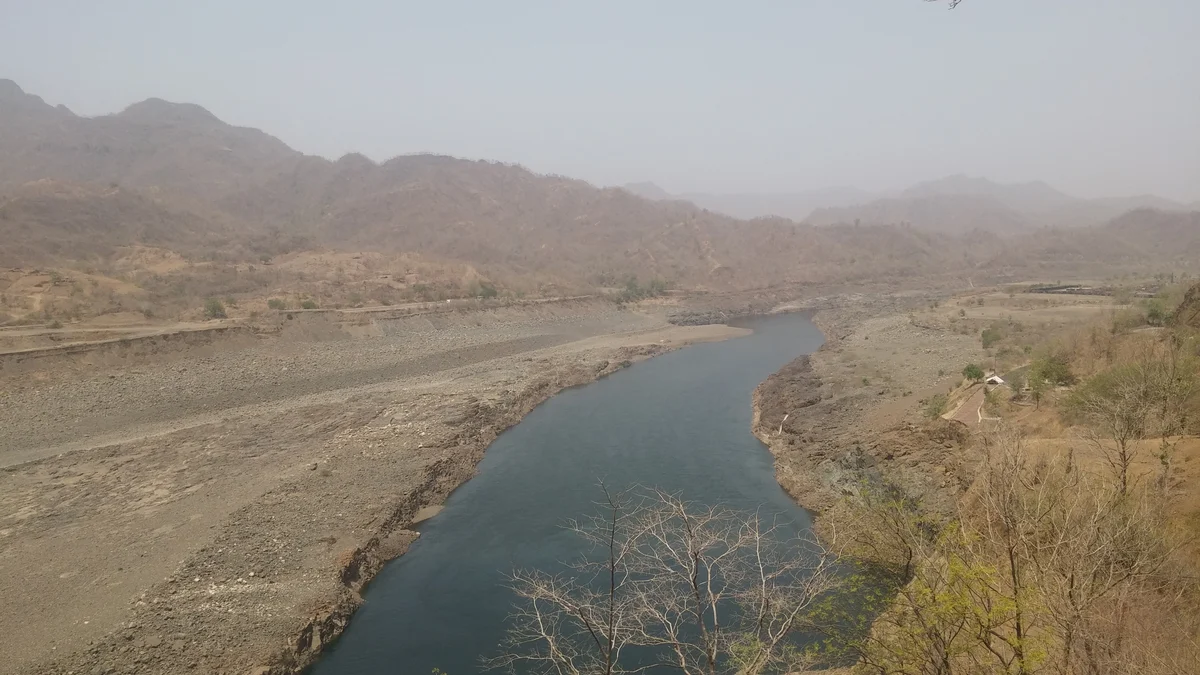
- Narmada River at Sardar Sarovar Dam, image record
- Rashtriya Ekta Diwas 2026 visitor transport guide
- Rashtriya Ekta Diwas travel and local access advisory
