Selected listings checked on . Dates come from the organiser or the linked public authority. Tentative listings are planning leads. Confirm session times, tickets and any changes with the linked source.
The traditional list has 12 Jyotirlingas, and a widely usable India directory places them across eight states, with three in Maharashtra and two each in Gujarat and Madhya Pradesh. Use the locations below as your starting point, and keep Aundha Nagnath in Hingoli and Parli Vaijnath in Beed as separately identified alternatives to the Nageshwar and Baidyanath locations in this reference list.
The Shri Kashi Vishwanath Temple Trust publishes the traditional twelve in its religious ordering. The Maharashtra Department of Tourism supplies the geographic reference set used here. The table groups the shrines by state so you can find the right place for a map search or check which temples fall within the part of India you plan to visit.
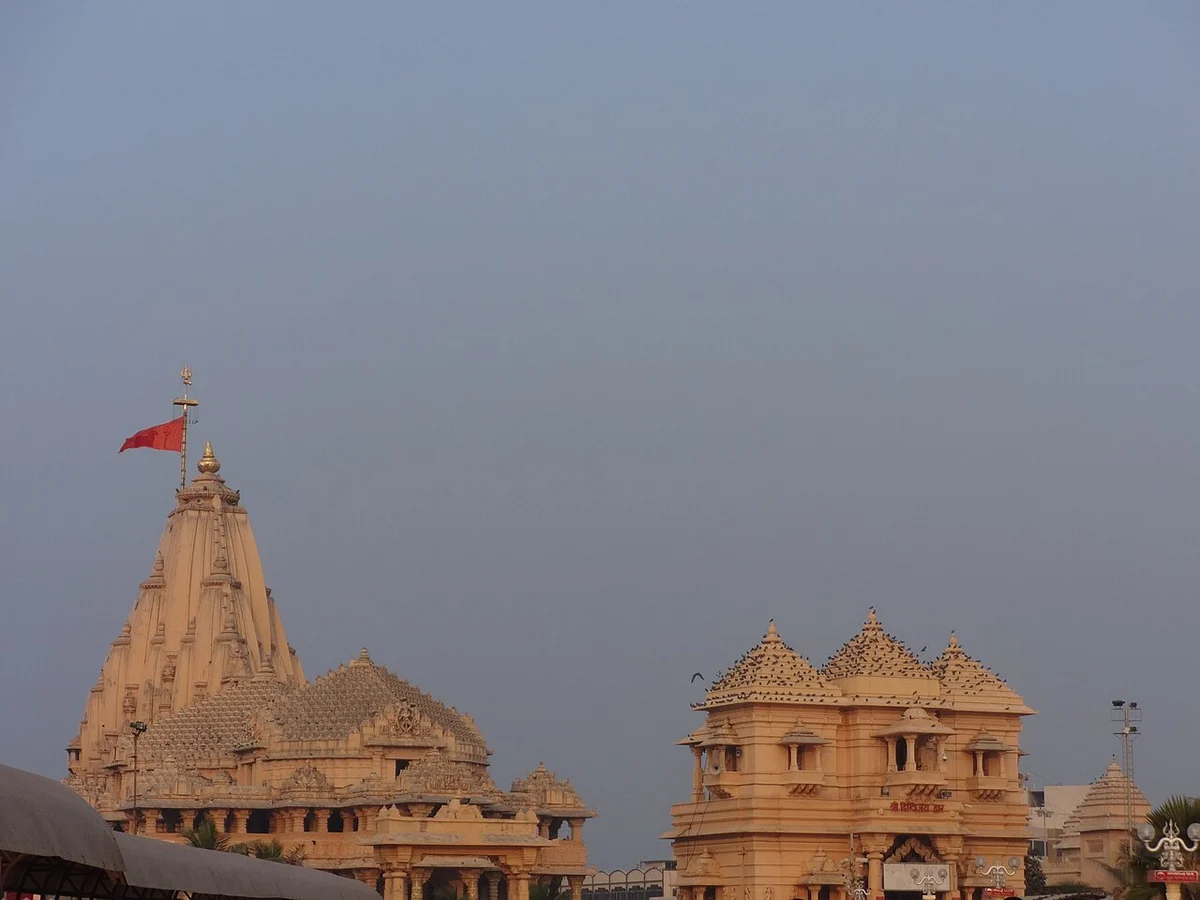
Temple names are only half of a reliable search. Pair Somnath with Prabhas Patan or nearby Veraval, Grishneshwar with Verul or nearby Chhatrapati Sambhajinagar, and Bhimashankar with Pune district. A district or nearby city helps locate the shrine within a region. For the final approach, check that directions end at the shrine or the visitor entrance specified by its operator.
Why Nageshwar and Baidyanath can point to different places
The two location differences documented here concern Nageshwar and Baidyanath. Maharashtra Tourism’s general directory places Nageshwar near Dwarka in Gujarat. Its separate temple profile identifies Aundha Nagnath in Hingoli, Maharashtra, with a Jyotirlinga tradition. Both places have their own identities as physical shrines, so the town or district should appear beside the name in directions, a trip plan or a map result.
For Baidyanath, the general directory uses Deoghar in Jharkhand. Deoghar district identifies the shrine there as Baba Baidyanath Dham and calls it a Jyotirlinga. Maharashtra Tourism also identifies Parli Vaijnath in Beed, Maharashtra, with a Jyotirlinga tradition. Baidyanath and Vaijnath in these listings can lead to destinations in different states, so confirm the locality even when the name looks familiar.
If a family pilgrimage plan says only “Vaijnath” and the other temples on it are in Maharashtra, ask whether the intended stop is Parli. The surrounding itinerary offers a clue, but the traveller who chose the shrine can settle the destination before anyone books a transfer. For a self-directed pilgrimage, record the locality alongside the devotional name so everyone can use the same itinerary.
This directory counts twelve entries under the geographic reference set. A location search also needs to find the two alternative shrines by their own names. That distinction explains how a map can have fourteen relevant pins while the devotional list still has twelve entries. Keep the reference set visible if you track completion, especially if your pilgrimage follows a particular temple trust or family tradition.
Documented Jyotirlinga traditions for similar names
Name also used in traditions
Maharashtra Tourism directory location
Recorded alternative location
Nageshwar or Nagnath
Near Dwarka, Gujarat
Aundha Nagnath, Hingoli district, Maharashtra
Baidyanath or Vaijnath
Deoghar, Jharkhand
Parli Vaijnath, Beed district, Maharashtra
For a road or rail search, use the shrine’s state and locality as well as its name. A ticket or hotel booking that says only Baidyanath or Nagnath can name a different part of India from the shrine you intend to visit. The tourism references give the commonly used twelve-location itinerary and separately recognise the Maharashtra traditions. Use the actual town and district for each transport leg.
Start a search with the temple name and the smallest useful place in the table, then compare the result with the location in an official temple, district or tourism listing. Verul is the useful locality for Grishneshwar. Incredible India profiles the temple under Chhatrapati Sambhaji Nagar, which helps explain why a search result may display the nearby city prominently even though your destination is the shrine at Verul.
The state groupings offer a first pass for a regional itinerary. Gujarat has Somnath near Veraval and Nageshwar near Dwarka. Madhya Pradesh has Mahakaleshwar in Ujjain and Omkareshwar in Khandwa district. Maharashtra’s three reference temples fall in separate areas around Pune district, Nashik district and Verul. Use those groupings to pick the region, then compare transfers between the actual temple localities and your overnight stops.
Deoghar shows why the destination name and the arrival point belong in separate fields. The district’s Baidyanath Temple visitor page distinguishes three rail choices. If a train search returns several station options, compare the onward journey from each one to Baba Baidyanath Dham. The station that best serves your visit depends on the train you can take and the connection available at your arrival time.
From overseas, pick the temple locality before deciding how it fits a flight itinerary. A state, district or nearby city can orient you on a country map, while a temple entrance or designated drop-off is the useful endpoint for the local leg. The tourism directory establishes where the shrines are. Check the transport operator for your dated journey and the temple or district for any current approach or entry instructions.
For a temple visit, first decide whether you want general darshan, to attend worship at a particular time, or to book a specific seva. Darshan is the opportunity to see the deity. Seva refers here to a religious service offered through the temple. Temple operators can publish separate times or procedures for each, and an opening-hours listing alone leaves those choices unresolved.
Shree Somnath Trust lists standard entrance as free, ordinary darshan from 6 am to 10 pm, and worship at 7 am, noon and 7 pm. It also lists optional mobility assistance at the main gate. Its light-and-sound show follows a separate schedule and carries a monsoon caveat. Someone timing a short visit around the noon worship should use the worship listing and allow time to reach the entrance.
At Srisailam, use the temple’s darshan and seva information alongside its separate online booking service. Read the conditions for the particular option you select before making a reservation. In Varanasi, the Shri Kashi Vishwanath Temple Trust’s daily schedule is the place to check worship and service information. Look for a dated announcement from the trust if your trip coincides with special worship or a festival.
Access can also vary within a temple complex. Ujjain district describes the upper Nagchandreshwar shrine at Mahakaleshwar as opening for darshan on Nag Panchami. If that shrine is the focus of your visit, look for instructions that name it specifically. For the main shrine or a particular ceremony such as Bhasma Aarti, check the schedule and any admission rules for that activity.
Somnath’s trust lists free standard entrance and ordinary darshan from 06:00 to 22:00. Its three usual worship times are 07:00, noon and 19:00. Those are distinct details in the visitor guidance. A traveller using the morning worship time still needs the gate procedures, while someone using the ordinary darshan window can plan around a broader period. Check the trust for date-specific access, mobility arrangements or evening events.
Kedarnath needs a seasonal check before you commit to a travel date. The Shri Badarinath Kedarnath Temple Committee carried 2026 yatra information and directed visitors to Uttarakhand’s registration service. The year on the notice matters. For a 2027 visit, look for an announcement from the committee that explicitly names Kedarnath and gives its opening date for the 2027 season. An official 2027 gate date is still to be confirmed.
Treat the committee announcement and registration instructions as two separate checks. The first tells you when the temple is due to open. The second tells you how the yatra registration process applies to your dates and party. Use the registration destination provided by the committee and check the season shown there before relying on instructions, even if a search engine surfaces a familiar page.
If your only leave falls around Maha Shivaratri in March and the goal is darshan at Kedarnath, keep the trip provisional until you have a confirmed temple opening that fits those dates. If the goal is to observe the festival at a Jyotirlinga, check announcements from another shrine whose local arrangements suit your travel window. The national festival date and a mountain temple’s seasonal opening answer different planning questions.
Maha Shivaratri falls on Saturday 6 March 2027 in the Rashtriya Panchang published by the India Meteorological Department’s Positional Astronomy Centre. The Delhi High Court holiday order and the Goa state holiday list also use 6 March. Use that date to anchor festival planning. Each temple sets its own ritual times and visitor arrangements, and office holidays depend on the government or institution concerned.
At Somnath, the trust’s festival page records Maha Shivaratri on 15 February 2026. Use that listing to identify past observance and look for a dated 2027 notice for the arrangements that affect your visit. The trust’s normal hours are useful for choosing an ordinary day. A festival visit calls for confirmation of public entry hours, any changes to gate access and whether the usual mobility assistance is available.
In Ujjain, the district describes a fair and overnight worship at Mahakaleshwar for Maha Shivaratri. That description tells you what the observance includes. It leaves the 2027 public admission window, special worship access and Bhasma Aarti timing to be confirmed. If you are choosing whether to stay overnight, look for a dated notice that specifies when devotees may enter and how entry works for the worship you want to attend.
Deoghar district publishes separate information for Shrawani Mela. Use the event name and year to make sure a notice applies to the visit you are planning, particularly when a search returns several festival pages for the same shrine. For March, look for a notice that explicitly names Maha Shivaratri and the relevant date. Where the published information is incomplete, ask the temple office about the specific entrance, time or service you need.
Confirm the date and the shrine named in the latest temple or district notice.
Check the public darshan window and the entry procedure for any specific worship you want to attend.
Check the designated entrance, queue and mobility arrangements before setting your arrival time.
The national Panchang places the 2027 observance on Saturday 6 March. The reminder saves that date. It leaves local plans to the responsible shrine. Ujjain’s district page describes Shivaratri’s fair and overnight worship as a recurring practice, and its reference to the upper Nagchandreshwar shrine relates to Nag Panchami. Use the official temple-specific release when an itinerary depends on a particular ritual or level of the complex.