Was there a prince of independent India?
Independent India had no national royal office called the “Prince of India.” It did officially recognise former rulers of individual princely states after independence, a form of recognition that ended with the Twenty-sixth Amendment in 1971.
The President’s Secretariat identifies the President as India’s head of state. In historical sources, “Indian prince” often identifies a member of a particular former ruling family. An old title may also appear in a palace’s name, a museum trust or a modern profile. Read the person’s name and state together to establish what the title refers to.
There is also a difference between the word a writer chooses and the status a legal document records. “Prince” is a broad term in historical writing, while Article 363A of the Constitution deals with the official recognition of former rulers and the abolition of their privy purses. A person described as a prince may have been a relative or heir. To establish official recognition, look for a record about the individual and the capacity in which they were recognised.
For a question about a particular year, ask what kind of status the claim assigns to the person. They might be described as holding authority in a state, receiving official recognition as a former ruler, or using a family title socially. Each claim calls for a different kind of evidence. The name of the person and the date of the claimed status will usually help more than a search for the phrase “prince of India” alone.
What happened to the princely states in 1947?
Section 7 of the Indian Independence Act 1947 ended British Crown suzerainty over the Indian states on the appointed day. Suzerainty describes the overarching relationship the Crown had with those states. The provision tells you when that relationship ended. Its subject is the Crown and the Indian states, which is why it belongs at the start of an explanation of what happened to princely rule around independence.
For the history of a particular state, the lapse of suzerainty is one event to place on the timeline. Accession concerns a state’s legal relationship with the new Dominion. Integration concerns what subsequently happened to its separate administration or political arrangements. A source can give a date for one of these events while leaving the others unanswered. Check the verb attached to a date before using it to say when a ruler’s authority changed.
Suppose a museum caption says that Crown suzerainty over a state ended at independence, and a catalogue gives a later date for an administrative change in the same state. Both dates could belong in the account, attached to the events the respective sources describe. To say who exercised a particular power between the two events, look for state-specific documents that describe the power and when the arrangement took effect.
A photograph taken during the transition poses a similar problem. A caption identifying someone by a princely title can establish how the archive has identified the subject. To use the photograph alongside a claim about their political authority, find a separate record of their legal position at the time. Check the date the image was taken, since the catalogue entry or publication may have been created much later.
What did official recognition mean after independence?
Official recognition after independence was a matter of Indian public law. Its presence explains how a former ruler could still have a recognised status after the British Crown’s relationship with the princely states had ended. If a source uses “recognised ruler,” read the surrounding sentence carefully. It may identify the person’s constitutional status at that point or refer back to an earlier period in which the same person exercised powers in a state.
A privy purse was a payment associated with the former-ruler arrangements. Keep the payment, official recognition and any claimed governing power distinct when interpreting a biography or a family history. A record of a payment may help document one part of the arrangement. A claim that the recipient had authority to govern a territory at a particular time needs evidence about that authority and its duration.
Suppose a biography describes a person as a ruler before independence and as a recognised former ruler afterward. The same name and title might appear in both chapters. A precise account would give the period of the earlier rule, then describe the later recognition using the wording and dates supported by the record. If the biography identifies a child as an heir, that detail establishes the relationship described by the author. Verify any claim that the heir was also officially recognised against a record for that person.
Family histories often organise their accounts by generations. A reader researching public status should also organise the material by date and document. The date of a succession within a family, the date of a public ceremony and the effective date of official recognition can answer different questions. When a source gives only one of them, preserve the narrower claim in your notes. This prevents a date from migrating to a different event as the story gets retold.
What changed in 1971?
The Twenty-sixth Amendment introduced Article 363A in 1971. The article ended official recognition of former rulers and abolished privy purses. That date answers the question of when these constitutional arrangements ended. The end of governing authority in any particular state belongs to that state’s own transition history, which requires evidence about the relevant arrangements and the dates on which they took effect.
Official recognition in public law and the social use of a title concern different practices. A title can still appear in a family announcement, an exhibition label or a news feature after 1971. When the question is whether the person holds recognised status as a former ruler, Article 363A addresses that question. When the question is how a person is addressed within a family or community, the wording and context of the particular source become relevant.
Suppose a recent programme calls its guest a prince and names a former princely state. You can report that the programme uses the title and associates the guest with that state. A separate claim about family descent calls for evidence of the relationship. The legal question can be checked against Article 363A, which explains why a modern programme’s choice of title cannot establish continuing official recognition under the former-ruler arrangements.
Pay attention to how a source uses the present tense. A modern obituary may introduce someone with a title and then recount an event decades earlier. A useful reading separates the date of the event, the period of the status being described and the publication date. If a source refers to a person who was formerly recognised, that description can remain historically meaningful long after the constitutional recognition itself ended.
Jaipur shows how a title and public office diverged
Jaipur joined Jodhpur, Bikaner and Jaisalmer in the formation of Greater Rajasthan on 30 March 1949, according to Rajasthan’s official chronology. The governor’s office records that Sawai Man Singh of Jaipur became Rajpramukh at the inauguration. His new responsibilities came from an office in the integration framework. In Rajasthan’s published account, Matsya Union joined at a later stage on 15 May 1949.
The Rajasthan governor’s office names Gurumukh Nihal Singh as the state’s first governor and dates the abolition of the Rajpramukh institution to 1 November 1956 under the Seventh Amendment. That administrative change preceded the 1971 decision to end the recognition of former rulers. A chronology that jumps directly from accession to 1971 misses what changed in the public offices in between.
The Princess Diya Kumari Foundation gives 22 November 2002 as the date when Sawai Padmanabh Singh was adopted as heir and 28 April 2011 as the date of his family coronation at City Palace. The foundation uses Maharaja of Jaipur for him and lists his role as vice president. Those details come from the family’s organisation. Its wording is evidence about succession and the title the family uses.
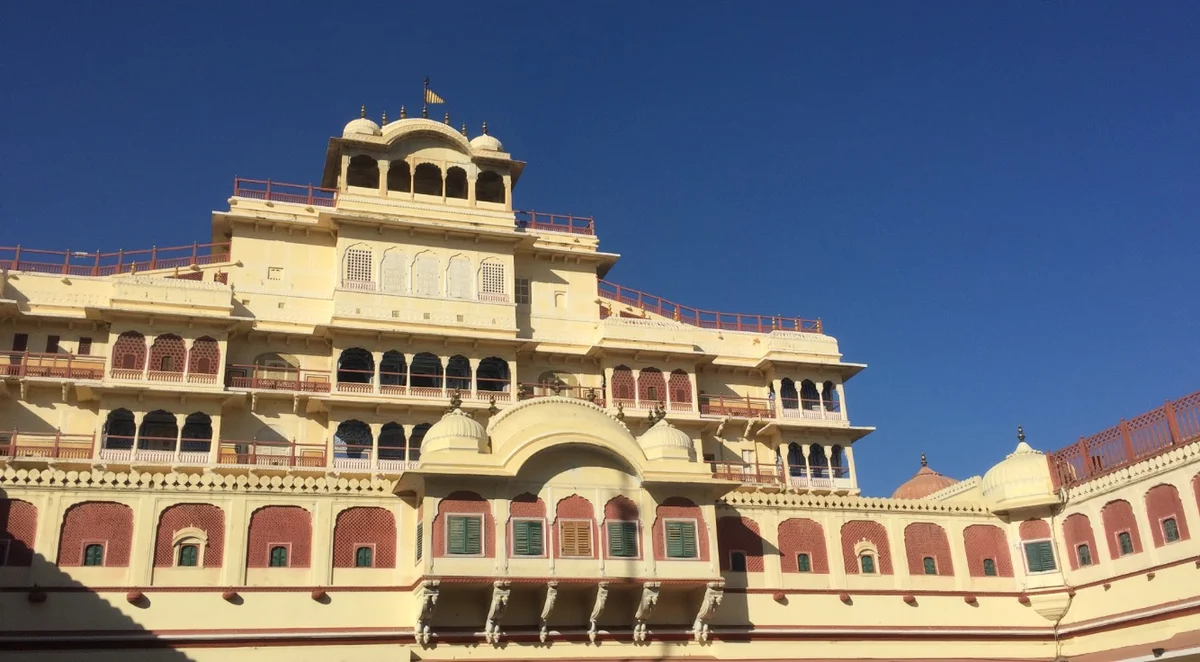
The City Palace Museum dates its establishment to 1959 and identifies the Maharaja Sawai Man Singh II Museum Trust as its operator. It provides a public place to see objects associated with Jaipur’s Kachhawa rulers. Check the museum’s visit page for the areas open on your date. The name of the trust preserves the former ruler’s title and gives visitors a way to research the palace’s collections.
- Rajasthan Lok Bhavan, formation of Rajasthan
- Rajasthan Foundation, post-independence integration
- Rajasthan Lok Bhavan, Jaipur and the transition to a governor
- Princess Diya Kumari Foundation, Jaipur family leadership
- City Palace Museum, Jaipur, institutional history
- City Palace Museum, Jaipur, booking and restoration updates
Which meaning of “prince of India” fits the claim?
Start with the surrounding words. A palace, former state, family name or relation such as “son of” gives you a lead for identifying the individual. A phrase in quotation marks might be a nickname, a headline or part of a work’s title. Copy the phrase as it appears and keep the surrounding sentence. In a search result, the heading and snippet may draw from different parts of an article, so read the original passage before deciding what the phrase refers to.
| Wording or claim | What to check |
|---|---|
| “The prince of India” as a national office | Whether the source identifies a constitutional office. Check India’s constitutional provisions for the offices it names. |
| A prince associated with a particular state | The state, the person’s full name, the period and the relationship to the ruling family. |
| A ruler’s authority ended on a specific date | The relevant state records and whether the date concerns suzerainty, accession or an administrative change. |
| A person received official recognition after independence | A contemporary recognition record for that individual and the constitutional framework in force at the time. |
| A modern event uses a princely title | The organiser’s original wording and any independent evidence for the identity or family relationship claimed. |
| Official recognition and privy purses ended | Article 363A and its Twenty-sixth Amendment reference. |
Suppose two profiles both call their subject an Indian prince, and each names a different former state. The descriptions can refer to two different people from two different families. Compare each name with the spelling used in dated records and check whether the profile describes a ruler, a child or a later descendant. If a name is shared across generations, a documented family relationship or a date attached to a recorded event can help resolve the identity.
Sometimes a writer uses “prince” as a broad English description while a catalogue or official record gives a more specific title. Keep the source’s wording when it matters to the question. For a short explanation in your own words, identify the person by name and state, then give the status that the strongest available record supports. If you have evidence only for the family connection, say what that connection is and leave any claim about official recognition open.
How to verify a date or a current title
For the independence-era change, use the enacted text of the Indian Independence Act 1947 and locate Section 7. Record which relationship the provision ends and the term it uses for the date. If your question is about a particular state’s accession, look for the instrument or an archival description that identifies it. Where a record gives both a signing date and a date of effect, preserve both labels. An anniversary article can help you locate the event, but the underlying record gives the date its meaning.
For the constitutional change, open the Legislative Department’s text of the Constitution and find Article 363A. Search by article number because pagination can vary across editions. Read the provisions on recognition and privy purses and check the amendment reference. If you need a day and month for the legal change, consult the amendment and its commencement information. A date in a file name or on an upload listing may describe when a copy was published online.
For a title used today, check the latest dated material from the institution making the claim, such as a museum, event organiser or family trust. The institution’s material can verify its own present usage. For a claim about who is related to whom, seek independent documentation that specifies the relationship. Record the date of the material and who issued it so a reader can repeat the check after an event page is updated or a new announcement appears.
If you only have a search snippet or a clipped caption, phrase any finding at the level of that evidence. You can say a publication used a title for someone if you can verify the original wording and identify the person. A definite identification from “the prince of India” alone requires another clue, such as a name, a state or the work in which the phrase appeared. Without it, give the constitutional answer and leave the intended individual unresolved.
Sources
- Legislative Department: Constitution of India, Article 363A
- UK Legislation: Indian Independence Act 1947
- President of India, constitutional role
- Legislative Department, Constitution (Twenty-sixth Amendment) Act, 1971
- Rajasthan Lok Bhavan, formation of Rajasthan
- Rajasthan Foundation, post-independence integration
- Rajasthan Lok Bhavan, Jaipur and the transition to a governor
- Princess Diya Kumari Foundation, Jaipur family leadership
- City Palace Museum, Jaipur, institutional history
- City Palace Museum, Jaipur, booking and restoration updates