Compare two complete flight quotes
Use US dollars and the same travellers and trip dates for both quotes. Enter each checkout ticket price including mandatory charges, then add only costs that it leaves out.
Buyer guide + comparison
Compare four New York nonstops, a Dubai connection and what business-class fare families include. Calculate the full price of two quotes.
Read Air India’s 15 November 2026 nonstop announcementUse US dollars and the same travellers and trip dates for both quotes. Enter each checkout ticket price including mandatory charges, then add only costs that it leaves out.
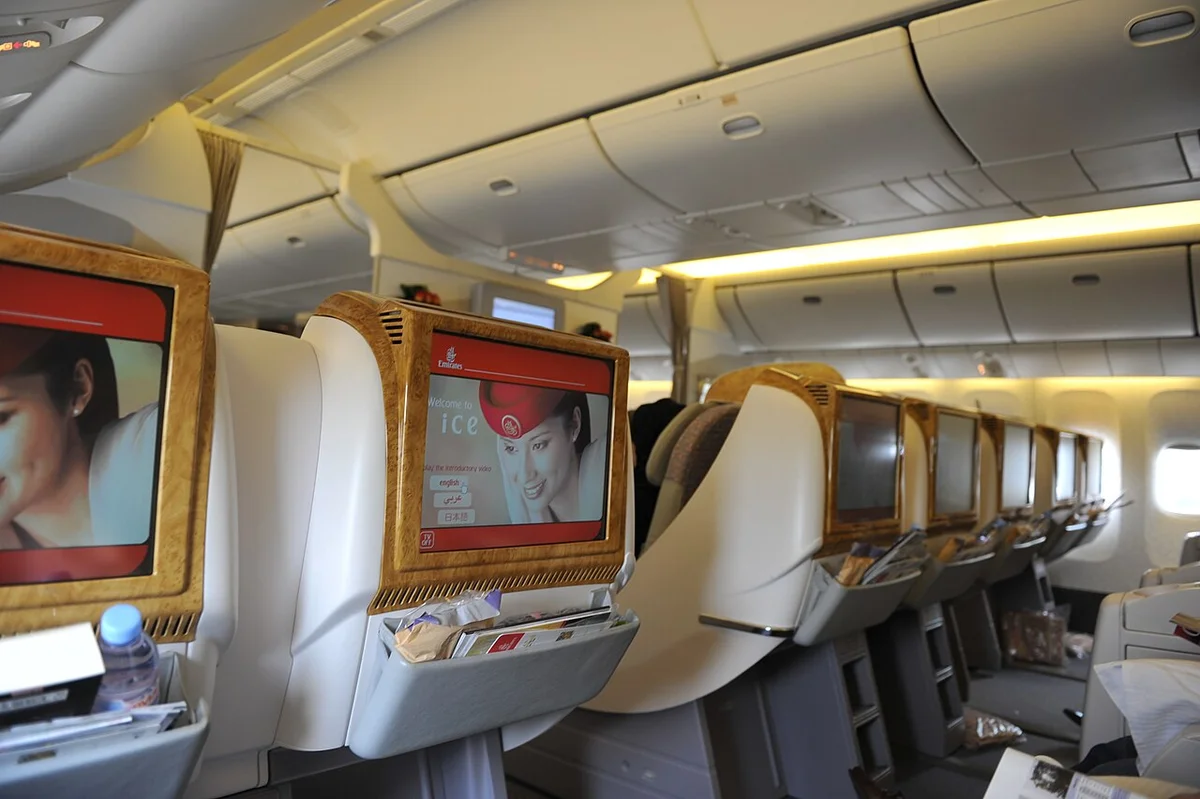
For business-class flights from New York to India, start with Air India’s nonstops from JFK or Newark to Delhi or Mumbai and compare connecting options against the same destination and travel dates. Before paying, confirm the operating airline, seat layout and cabin on each flight, then read the fare conditions for the ticket you selected.
| U.S. airport | India gateway | Published frequency | Planned aircraft and business seating |
|---|---|---|---|
| JFK | Delhi DEL | Daily | Airbus A350-900, 28 full-flat business suites in the announcement. |
| JFK | Mumbai BOM | Daily | Upgraded Boeing 777-300ER, 40 business flat beds in the announcement. |
| Newark EWR | Delhi DEL | Four times weekly | Airbus A350-900, 28 full-flat business suites in the announcement. |
| Newark EWR | Mumbai BOM | Three times weekly | Upgraded Boeing 777-300ER, 40 business flat beds in the announcement. |
Air India’s 15 November 2026 announcement said it had restored nonstop service on all four airport pairs after earlier technical stops. It listed daily service from JFK to both Indian gateways, four weekly flights between Newark and Delhi, and three between Newark and Mumbai. The announcement also paired the Delhi routes with Airbus A350-900s and the Mumbai routes with upgraded Boeing 777-300ERs. Use those assignments to narrow the search and the airline’s date-specific results to make the purchase.
Search JFK and Newark individually in both directions when either airport is practical. The announced frequencies make JFK a sensible starting point when you have fixed travel days, while Newark may reduce the time you spend getting to the airport. Compare the return separately from the outbound. The airport you prefer for a departure can be less convenient after landing, especially if your ride home depends on when you clear the airport.
Choose the Indian gateway by working back from your final destination. If either Delhi or Mumbai requires an onward flight, compare when you reach that destination and inspect what the short flight actually offers. If you’re going to Pune and find an appealing Delhi itinerary, price it through to Pune and compare its arrival with a Mumbai flight followed by your own ground transfer. Include the time needed to collect bags and meet your driver when judging the second option.
Air India markets an A350-900 business product on its Delhi–New York route. Its original A350-900 specification described 28 business suites arranged four across with direct aisle access. The November announcement also listed 24 separately branded premium-economy seats on the aircraft planned for Delhi. For Mumbai, the announcement described 40 business flat beds and eight first-class suites on the upgraded 777-300ER. Keep those cabin counts separate when matching the seat map to the aircraft description.
In the booking flow, expand the flight details and record the operating airline, flight number and aircraft. Open the map for that segment and look at how the available seats are arranged. If direct aisle access matters, trace a path from the seat to an aisle. The cabin description establishes whether the advertised seat becomes a flat bed, and the map helps you judge how you would get in and out of it.
Qatar Airways markets Qsuite on selected aircraft and offers other Business Class products. Verify Qsuite separately for each Qatar Airways segment you care about, using the itinerary and the carrier’s seat map. Emirates describes its A380 and redesigned 777 business products separately, so match any feature you want to the published product description for the layout offered on your flight. Check the return independently, even when the same airline operates it.
Seat availability can change the value of a cabin for a particular traveler. If you’re booking two seats and want to talk during the flight, look for an available center pair and check how those seats face before choosing the departure. A traveler who expects to sleep may prefer a window seat with its own aisle access. Reopen the map after booking and before departure so you can see whether an aircraft change has altered your assignment.
Emirates publishes JFK–Mumbai itineraries via Dubai. One listing showed EK 202 leaving JFK at 23:00 and EK 504 reaching Mumbai at 08:30 local time two calendar days later. Air India’s schedule page, meanwhile, displayed AI 102 from JFK to Delhi at 16:55 local time for 25 November 2026. These examples illustrate different departure and arrival patterns and serve different Indian cities. Pull up replacements for your dates before using either pattern to make plans.
| Flight or interval | Origin or gateway | Local clock or duration |
|---|---|---|
| EK202 flight | JFK to DXB | JFK 23:00, Dubai 20:30 next day |
| Dubai connection | DXB | 7h 25m |
| EK504 flight | DXB to BOM | Dubai 03:55 and Mumbai 08:30 on the following local morning |
| Whole itinerary | JFK to BOM | 23 hours in the published clock example |
Compare the booking results by calendar date, local arrival time and total elapsed time. The displayed clocks belong to different time zones, so use the itinerary’s elapsed duration to compare how much time each trip takes. For an arrival commitment, work from the local arrival date and allow time for immigration, bags and the trip from the airport. A morning landing may suit a daytime transfer even when a connecting itinerary takes longer in the air and on the ground.
For an itinerary through Dubai, inspect both flights and the layover. A Dubai–Mumbai segment may affect your choice if its seat or arrival time matters to you. Check whether the booking shows a terminal change, when the onward flight boards and which lounge options fall within the time you have. If lounge time is part of the appeal, use the interval between reaching the departure area and boarding, with room to get to your gate.
If your first commitment is Wednesday morning in Mumbai, the Emirates listing’s two-calendar-day pattern would put a Monday departure at 08:30 on Wednesday. That leaves the meeting time dependent on how quickly you get out of the airport and across the city. Compare a departure arriving the previous day if missing the meeting would be costly. For a family pickup later on Wednesday, the usefulness of the same arrival would depend on the agreed pickup time.
Emirates flights to India via Dubai, nine gateways and four connectionsCheaper flights to India from the USA, compare full trip costs
Air India publishes an allowance of two checked bags up to 32 kg each for Business and First between the United States and India in both directions. The weight limit is per piece. On a trip with a domestic leg or partner carrier, read the allowance shown for the full itinerary and check the applicable limit where the ticket or operator changes. Include the bag count and weight you actually expect to carry when comparing departures.
An onward flight can have a different business seat or have no business inventory. Expand the itinerary to read the cabin assigned to each segment in both directions. If the international flight has the bed you want and the onward flight is short, economy on the domestic leg may suit your priorities. Check what the domestic sector contributes to the price and baggage terms before deciding whether a fare with a business seat on that leg is worth buying.
If you price a Newark–Delhi ticket and a separate Delhi–Bengaluru ticket, ask the sellers which airline will accept your bags, where you must collect them and when you must check in again. For two bags close to 32 kg each, a smaller allowance on the separate domestic ticket could change which itinerary you choose. Use the domestic booking’s baggage terms to calculate any charge and ask how a late international arrival would affect the separate booking.
Even on a through itinerary, confirm the baggage procedure at the first Indian airport. Ask where any required collection and recheck happen, then use that answer when assessing the connection interval. At departure, compare the bag tag’s destination with the instructions for handling the bag at the gateway. Keep the ticket receipt and baggage allowance available for any segment where the carriers or ticket conditions differ.
Delhi to San Francisco flights, AI183 and SFO arrivalsDelhi to Chicago flights, Air India options and Dubai connections
Compare quotes from the booking flow after selecting dates, airports, passenger count, cabin and fare family. Write down the full ticket total, currency and whether it covers one traveler or the party. Air India’s public JFK–Delhi schedule page displayed a fare tile without identifying it as a business fare, so the business comparison needs a quote from actual cabin inventory. Include the return in each quote if you need a round trip.
| Airline or fare example | Different benefit | Published example | Source |
|---|---|---|---|
| Air India business from or to the U.S. | Baggage | Published two checked pieces up to 32 kg each. Partner and ticket rules can differ. | Air India U.S. checked-baggage table |
| Emirates Business Special | Lounge access | Carrier includes Business Special in paid lounge eligibility. Verify the airport and your other eligibility details. | Emirates paid lounge eligibility |
| Qatar Business Lite or Classic | Voluntary changes | Trade notice lists a fee for changes under these fare categories. | Qatar Airways business fare attributes |
| Qatar Business Comfort | Voluntary changes | Trade notice lists one change without a fee then a fee applies. Check any fare difference and ticket terms. | Qatar Airways business fare attributes |
| Qatar Business Elite | Voluntary changes | Trade notice describes the fare family as retaining full flexibility. Read the exact ticket terms. | Qatar Airways business fare attributes |
Emirates lists Business Class Special in its paid lounge access table, with Dubai examples and conditions. Verify eligibility at the airport and for the lounge you would use, including any access from membership. Qatar Airways separately lists preferred seat charges for Business Lite. Select or price the seat you want in the booking flow so you can compare what the competing fares would cost with that same preference.
Add optional charges only when they apply to your trip. Keep per-person and per-direction amounts explicit, especially when you combine a return fare with services you want on just one leg. If two adults are considering a lower fare and both want paid preferred seats outbound, add two outbound seat charges to the quote for the pair. If they also plan to buy lounge access at a connection, use the confirmed fee and eligibility for that airport in the same comparison.
Look up chauffeur eligibility for the exact market and fare if an airport transfer would affect the purchase. Give it a value based on the ride you would otherwise arrange. Keep the trip price and flexibility in separate columns. A lower total can still suit you if your dates are settled, while a more flexible fare may justify a higher checkout total when the return depends on a commitment you cannot yet confirm.
Qatar Airways’ trade notice described paid changes for Business Lite and Classic, one change without a fee for Comfort followed by a fee for further changes, and full flexibility for Elite. Use those descriptions to identify which fares to compare, then read the conditions issued for your market and booking. Look for fare differences, rerouting limits, refund rules and how terms apply after you have flown the outbound.
If you may need to move your return after arriving in India, read the change terms for a partially used ticket before paying. Compare the fare premium with the change fee it could remove and find out how the seller would recalculate the fare on the new date. Even where the ticket allows a change without a fee, the new flight may carry a higher fare. Cancellation has its own terms and may matter more if the trip itself is uncertain.
For a qualifying flight booked directly with an airline at least seven days before departure, the U.S. Department of Transportation says the airline must offer either a 24-hour hold at the stated fare or a 24-hour penalty-free refund option. Check which option the airline offers and whether your booking meets the timing and sales-channel conditions. For an agency booking, read the seller’s own cancellation terms before relying on a short decision window.
The DOT separately describes refunds on covered flights when the airline cancels or significantly changes the flight and the passenger declines the alternatives offered. It also describes rules for downgrades when the passenger travels. If the airline changes your booking, compare the original and replacement confirmations and read the current DOT conditions for the specific change before choosing an option. Save the original fare terms, seat assignment and itinerary so you can identify exactly what changed.
