What investigators have established
Air India Flight 171 crashed shortly after take-off from Ahmedabad on 12 June 2025. India’s Aircraft Accident Investigation Bureau released a preliminary report on 12 July 2025 and an interim progress statement on 12 June 2026. A check of the AAIB’s public listings on 25 November 2026 found those records and no final report for the aircraft registration VT-ANB.
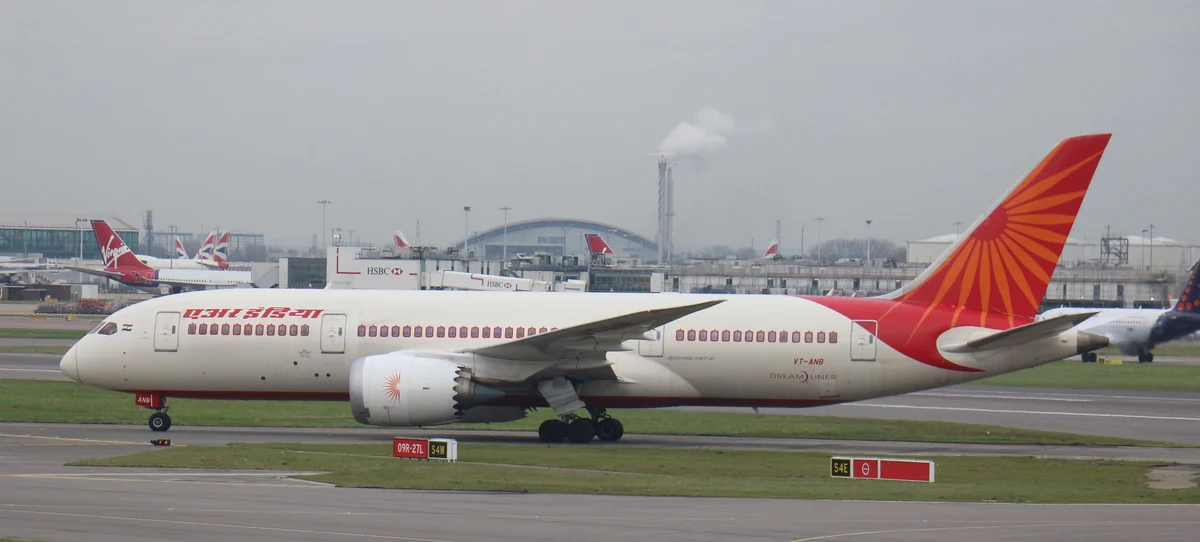
The AAIB identifies the aircraft as a Boeing 787-8 registered VT-ANB. It was operating from Ahmedabad to London Gatwick. The flight number is the most familiar way to find coverage, while the registration is useful when looking through official accident records. A report listing VT-ANB and Ahmedabad can concern the same flight even if the index entry omits the airline or destination.
The timeline covers the accident, the formation of the investigation team, the recovery and transport of the flight recorders, the airline’s acknowledgment of the preliminary report and the bureau’s subsequent clarification. Some dates describe events in the investigation. Others date a public statement. Keeping those categories visible helps when an article published later recounts work that happened weeks or months earlier.
In July 2026, India’s civil aviation minister said the investigation was in its final stages. That was a statement about progress. The AAIB said its final report would follow completion of the investigative work and the international review and consultation process. For a change in the official cause or status, check for a later publication from the bureau itself.
June 12, 2025 and the casualty figures
The preliminary report records 230 passengers and 12 crew members aboard the flight. Its injury table lists 229 passenger fatalities, 12 crew fatalities and one passenger with serious injuries. The table separately records 19 fatalities on the ground. Air India’s early public statements confirmed that one survivor was receiving hospital treatment. That statement describes the survivor’s situation at the time of the announcement.
Adding the passenger and crew fatalities gives 241 deaths aboard the aircraft. Adding the 19 ground fatalities gives 260 deaths in the preliminary report’s table. Both figures follow from the same record and answer different questions. A figure quoted without a label can leave the reader unsure whether it covers the aircraft occupants or everyone recorded as having died in the accident.
Suppose one account gives 241 deaths and another gives 260, and both refer to the preliminary report. Check whether the first specifies deaths aboard and the second includes the ground fatalities. If an account gives a different number, check the date, issuing organisation and people counted before deciding whether it represents an official revision. A newer article may simply be repeating an older count.
When citing the number for a particular group, use the category in the injury table. Passenger fatalities exclude crew, and the number of people aboard includes the survivor. If a later official record revises a count, attribute that figure to the newer record and retain the date of the earlier count when discussing the preliminary report.
June 13–24, 2025 and the flight recorders
The government reported that the investigation team was formed on June 13, 2025, the day after the crash. One flight recorder unit was recovered on June 13 and the other on June 16. The two units were transported to the AAIB laboratory in Delhi on June 24. Those dates trace the recovery and movement of evidence during the initial stage of the investigation.
| Date | Milestone | What the update establishes |
|---|---|---|
| June 13, 2025 | Investigation team constituted | The government identified when the team was formed. |
| June 13, 2025 | First recorder unit recovered | One of the two units had been recovered. |
| June 16, 2025 | Second recorder unit recovered | Both units had been recovered by this date. |
| June 24, 2025 | Both units transported to Delhi | The destination was the AAIB laboratory. |
| 12 July 2025 | Preliminary report released | The AAIB later confirmed the publication date. |
| 12 February 2026 | AAIB clarification | The bureau said it had reached no final conclusions. |
| 12 June 2026 | AAIB interim statement | Investigators continued to evaluate and integrate evidence. |
| 14 July 2026 | Civil aviation minister gave a progress update | The minister described the investigation as in its final stages. |
The dates matter because recovery, laboratory transport and analysis are distinct steps. A recovery date records when investigators located and retrieved a unit. A transport date records its movement to the laboratory. Dating a download, a review or an interpretation requires a statement that specifically identifies that step. The four milestones in the table establish the sequence through transport.
The government’s account says the team included personnel from aviation medicine and air traffic. It also identifies the United States National Transportation Safety Board as the state-of-manufacture investigator involved in the case. For readers following the story from the United States, that role explains the NTSB’s presence in accounts of the investigation. The Indian AAIB issued the preliminary report and the later clarification on the status of its findings.
If a headline says the recorders were recovered on June 24, compare its wording with the government account. June 24 is the transport milestone. To establish that both units had been recovered, use June 16, when the second recovery was recorded.
The 12 July 2025 preliminary report
The AAIB’s one-year interim statement dates the publication of its preliminary report to 12 July 2025. Air India also acknowledged receipt of the report on that date. The two notices play different roles in the timeline. The bureau establishes its own publication date, while the airline documents its response to the report.
The preliminary report describes evidence collected early in the investigation. It is the primary record for the aircraft identity, the route and the injury table used here. The bureau later characterised the material it had released as factual findings. When using a detail from that account, preserve the wording that indicates what investigators actually documented and the stage of the investigation at which they recorded it.
A preliminary factual sequence can be precise about the order of events and still leave the explanation for that sequence unresolved. Establishing a cause involves interpreting evidence and assessing how observations fit together. A report can therefore answer a narrow question about what was documented without resolving a broader question about why it happened.
Air India’s public updates also carried family support information, and the airline later announced the AI-171 Memorial and Welfare Trust through Tata Sons. Those announcements document the airline’s public response. For the status of the accident investigation, use statements issued by the investigating bureau. For any current family support arrangements, check the airline’s latest announcement because the historical updates describe what it said at the time.
What the 2026 statements established
The AAIB said on 12 February 2026 that its investigation was ongoing and it had reached no final conclusions. Its 12 June interim statement said work had covered aircraft systems, recorder data, maintenance records and human and organisational factors. At that stage the team was still analysing the evidence together, with specialist examinations continuing where needed.
A claim that investigators have determined the cause needs a document or statement in which the bureau actually announces that determination. Look for the issuer, the document title and the words the bureau uses to describe its findings. A headline can compress a technical observation into a causal claim, especially when it drops qualifications or leaves out who supplied the interpretation.
Suppose a later article says the cause has been confirmed and points to an older preliminary report. Open the referenced document and look for the passage supporting the claim. If the passage gives an observation and the cause appears only in the article’s interpretation, attribute the observation to the bureau and the interpretation to the article. If the claim points to a newer AAIB release, assess the wording of that release on its own terms.
When a final report becomes available, read its conclusions and safety recommendations alongside the analysis that supports them. A recommendation describes a safety action the bureau wants taken. Any claim that the action has been implemented needs its own evidence from the organisation responsible for carrying it out.
How to verify a newer investigation update
Start in the AAIB’s accident report listings. Look for VT-ANB and Ahmedabad alongside the accident date, June 12, 2025. Use those identifiers together if several results mention Air India or the Boeing 787. Also check official government releases naming the AAIB as issuer or quoting its statement. The February clarification was published through the government’s press information service.
Open the record and check what its date refers to. A new listing can point to an old document, and republication can give an existing statement a fresh date. Find the date attached to the underlying document or statement. Then read the passage that describes what changed and check whether the bureau calls the material preliminary, interim or final.
Use the organisation responsible for the detail you are checking. The government’s recovery update supplies the recorder dates, the AAIB’s records supply its findings and investigation status, and Air India’s statements supply its own announcements. If coverage quotes one organisation about another’s work, look for the underlying record before assigning a date or conclusion to the investigation.
- Aircraft Accident Investigation Bureau | Preliminary AI171 report
- Ministry of Civil Aviation | Recorder recovery update
- Aircraft Accident Investigation Bureau | February 2026 AI171 clarification
- Air India | AI171 updates
- AAIB June 2026 interim statement on Flight 171
- AAIB’s latest published investigation records
How to read an update alongside the timeline
An investigation update can add a new milestone, revise a previously reported fact or change what the bureau says it can conclude. Identify which change the document supports. A newly released statement can supply fresh information about an event that happened months earlier. In that situation, the event belongs on its original date, and the later statement supplies the date when the detail became public.
Suppose the bureau later publishes an interim statement with a revised injury table. Keep the crash on June 12, 2025 and identify the updated figure by the interim statement’s date. If the statement also says the investigation remains ongoing, use that wording for the updated status. The revised table would establish a change to the casualty record, while the statement’s status language would determine what could be said about conclusions.
For each verified milestone, capture the date of the event, the date of the supporting statement when it differs, the issuing organisation and the detail it establishes. If the bureau posts a final report, that date belongs in the same timeline as the preliminary and interim releases. The public listing check dated 25 November 2026 is the scope of this article’s status statement.
Sources
- Aircraft Accident Investigation Bureau | Preliminary AI171 report
- Ministry of Civil Aviation | Recorder recovery update
- Aircraft Accident Investigation Bureau | February 2026 AI171 clarification
- Air India | AI171 updates
- AAIB June 2026 interim statement on Flight 171
- Civil Aviation Ministry July 2026 ministerial update
- AAIB’s latest published investigation records