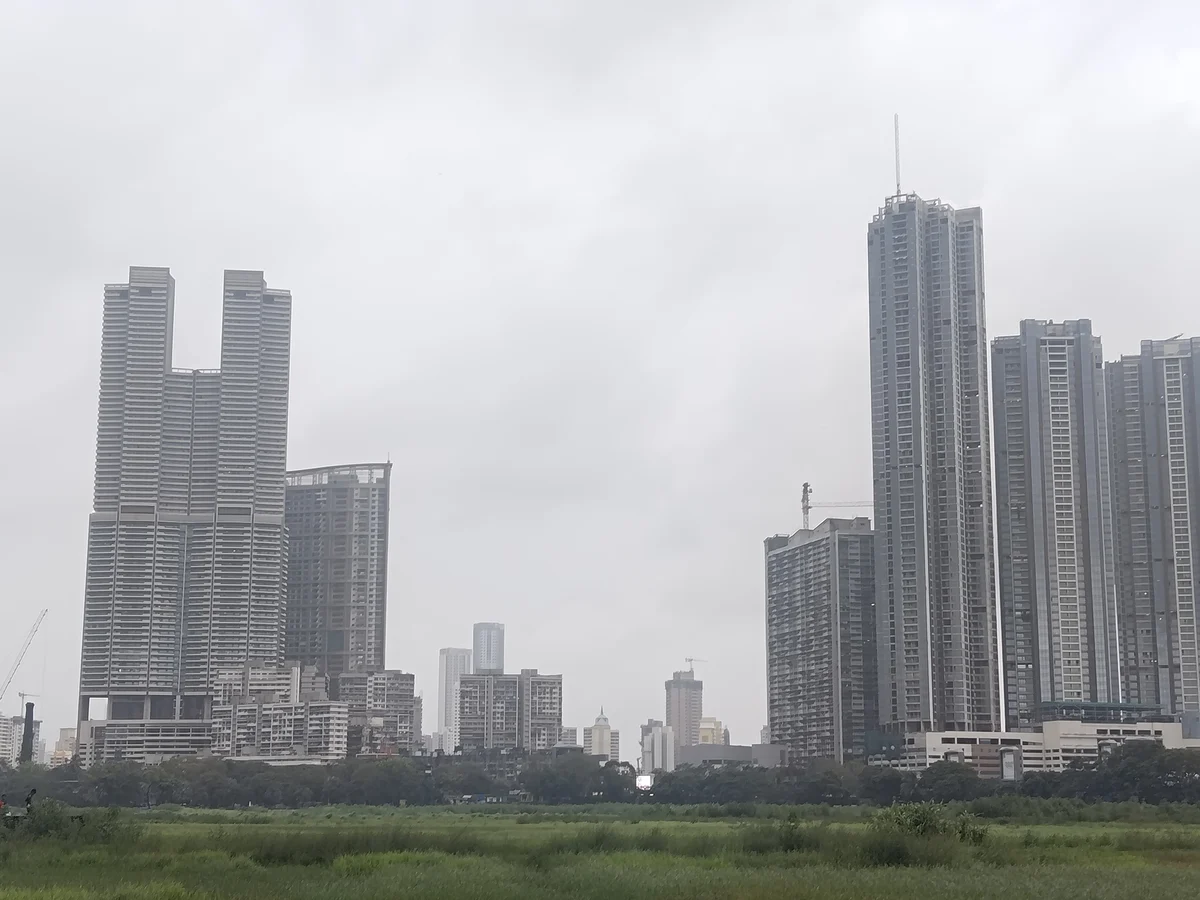
India’s tallest completed building
Lokhandwala Minerva in Mumbai is India’s tallest completed building, standing 300.6 metres (about 986 feet) to its architectural top. The residential tower in Mahalaxmi was completed in 2023 and ranks first in the Council on Vertical Urbanism’s Skyscraper Center, ahead of Arav at 282.2 metres.
The council formerly operated as the Council on Tall Buildings and Urban Habitat, so older references may credit CTBUH for figures from the same database. The public ranking rounds Minerva’s height to 301 metres. The individual building profile gives the figure to a tenth of a metre, which is the one to use when calculating a gap or checking whether the building crosses a height threshold.
Minerva qualifies as supertall under the council’s definition, which starts at 300 metres. It clears the threshold by 0.6 metres, about two feet. A conversion rounded to the nearest foot is convenient for readers used to imperial units, but the classification follows the metric record. Minerva Towers is another name for the same building, and the neighbourhood spelling Mahalakshmi also appears in references to the property.
The completed top 10 and the first entry outside Mumbai
Mumbai accounts for every place in the national top five, and all five towers are residential. Arav and World One are separated by just 2.0 metres, and World One stands 2.6 metres above World View. The closest pairing in the top five is therefore between the second and third entries, even though the third and fourth entries are towers in the same development.
| India rank | Building | City | Architectural height (m) | Above-ground floors | Completed | Height basis |
|---|---|---|---|---|---|---|
| 1 | Lokhandwala Minerva | Mumbai | 300.6 | 78 | 2023 | Recorded |
| 2 | Arav | Mumbai | 282.2 | 83 | 2025 | Recorded |
| 3 | World One | Mumbai | 280.2 | 76 | 2020 | Recorded |
| 4 | World View | Mumbai | 277.6 | 73 | 2020 | Recorded |
| 5 | Lodha Park Adrina | Mumbai | 268 | 78 | 2025 | Recorded |
| 6 | Lodha Park Kiara | Mumbai | 267 | 78 | 2022 | Estimated from floors |
| 7 | Lodha Park Allura | Mumbai | 266.3 | 81 | 2021 | Recorded |
| 7 | Lodha Park Parkside | Mumbai | 266.3 | 81 | 2021 | Recorded |
| 7 | Trump Tower Mumbai | Mumbai | 266.3 | 79 | 2021 | Recorded |
| 10 | Lodha Park Marquise | Mumbai | 264 | 77 | 2021 | Recorded |
| 18 | The 42 | Kolkata | 249 | 65 | 2019 | Recorded |
The 42 in Kolkata is the first entry outside Mumbai in the dated national order, at number 18. Its 249 metres put it 19 metres below Lodha Park Adrina, the fifth-place entry. The Skyscraper Center’s Kolkata ranking places The 42 first. Specify the geographic scope when quoting either position.
Completion year gives the table a second use. World One and World View both entered the completed records with a 2020 date, Minerva followed in 2023, and Arav and Adrina have 2025 dates. If you arrange the rows by completion year or floor count, read the India rank from its own column. It still expresses the national height ranking, regardless of the order in which the rows appear.
The three towers ranked seventh share a recorded architectural height of 266.3 metres. Allura and Parkside list 81 floors above ground, while Trump Tower Mumbai lists 79. Each profile identifies the same broader Lodha Park development. Keep each tower on its own row, even when the address and architectural height are shared. The Marquise profile gives 264 metres and 77 floors, making it the next entry in the dated ranking.
- The Skyscraper Center public India completed-building ranking, checked 26 November 2026
- The Skyscraper Center, Lokhandwala Minerva ID 10431
- The Skyscraper Center, Arav ID 33921
- The Skyscraper Center, World One ID 39977
- The Skyscraper Center, World View ID 16252
- The Skyscraper Center, Lodha Park Adrina ID 16060
- The Skyscraper Center, The 42 ID 14870
- The Skyscraper Center, Lodha Park Kiara with estimated height
- The Skyscraper Center, Lodha Park Allura
- The Skyscraper Center, Lodha Park Parkside
- The Skyscraper Center, Trump Tower Mumbai
- The Skyscraper Center, Lodha Park Marquise
Where the height measurement begins and ends
Architectural height runs from the lowest significant open-air pedestrian entrance to the architectural top. An architectural spire counts. Antennae, flagpoles, signage and functional technical equipment belong to the separate tip measurement. The entrance matters because photos taken from a road, podium or raised viewpoint offer a different visual starting point from the one defined by the measurement criteria.
Minerva’s profile gives 300.6 metres for both its architectural top and its tip, and puts the highest occupied floor at 285.1 metres. Subtracting the occupied-floor figure leaves 15.5 metres to the architectural top. That gap describes the distance between two specified elevations. It provides no information about visitor access, and the profile’s occupied-floor field gives no basis for identifying a public observation deck.
Floor count answers a separate question about how many above-ground levels the record identifies. Arav has 83, five more than Minerva’s 78, yet its architectural top is 18.4 metres lower. The figures can coexist because storeys vary in height and the architectural top and highest occupied floor are separate endpoints. Minerva’s profile also records two below-ground floors, which are outside the above-ground count used in the table.
The word building also narrows the comparison. The council requires usable floor area to occupy at least half of a structure’s height for it to qualify as a building. A search for the tallest structure can bring up other kinds of records, while a search for the highest occupied floor changes the measurement applied to qualifying buildings. For a like-for-like comparison, carry both the category and the measurement label when copying a height into your own notes.
The occupied-floor figures offer another way to compare the three seventh-place towers. Allura and Parkside each list 256.3 metres to the highest occupied level, and Trump Tower Mumbai lists 255.8 metres. Equal architectural heights therefore produce a tie in one comparison while the occupied-floor figures can still differ. Use the column that matches the question and leave the published India rank attached to architectural height.
- Council on Vertical Urbanism, Tall Building Criteria
- The Skyscraper Center, Lokhandwala Minerva ID 10431
- The Skyscraper Center, Arav ID 33921
- The Skyscraper Center, World View ID 16252
- The Skyscraper Center, Lodha Park Allura
- The Skyscraper Center, Lodha Park Parkside
- The Skyscraper Center, Trump Tower Mumbai
Why some taller-looking projects are outside the ranking
The completed category requires structural and architectural topping out, full cladding, and at least partial occupiability or opening. Structural topping out marks the highest primary frame element. An architecturally topped-out project has its finished architectural elements and outer cladding in place and can still be under construction. Progress on the skyline and eligibility for the completed ranking can therefore change at different times.
The Prestige Sky Tower illustrates how an apparently taller answer can appear in a search. The Mumbai project has a listed height of 307.7 metres, 7.1 metres higher than Minerva, with an under-construction status and expected completion in 2030. Its height belongs to the project record. For a completed-building comparison, wait for the status to change and then check the architectural height recorded at completion.
Palais Royale presents a different case. Its profile lists a height of 297.5 metres, classifies it as structurally topped out and gives an expected completion year of 2026. The council treats the height as provisional pending confirmation at completion. The expected year is a forecast field, so a listing with that year still needs a separate status check even after the calendar reaches it.
Piramal Mahalaxmi North Tower has a 279-metre project figure and is architecturally topped out in the profile, with expected completion in 2026. The same tower also appears under the name Piramal Mahalaxmi Tower 3. The completed Piramal Mahalaxmi South entry belongs to a separate building. A search for the development name alone can put two different statuses side by side, so match the tower name before using either record.
| Building | Project height | Status at check | Expected completion shown |
|---|---|---|---|
| The Prestige Sky Tower | 307.7 m | Under construction | 2030 |
| Palais Royale | 297.5 m | Structurally topped out | 2026 |
| Piramal Mahalaxmi North Tower | 279 m | Architecturally topped out | 2026 |
Identify the right tower before mapping it
In Mumbai, start with the tower name and then check the development or neighbourhood. Lokhandwala Minerva is in Mahalaxmi and appears in skyline photos with the nearby Piramal Mahalaxmi towers. Arav is Piramal Aranya Wing B, on Rambhau Bhogle Marg. The similar developer names make the development and wing useful search terms when a map gives several related labels.
World One and World View belong to the World Towers complex at Lodha Place in Worli and have separate height records. Farther down the table, Lodha Park Adrina belongs to a complex with several independently ranked towers. Searching by the full building name helps preserve distinctions that a development-level pin can conceal. When identifying a building in a skyline photo, use the caption’s tower names alongside the location because neighbouring towers can appear in the same view.
The 42 has a street address that also helps identify it, 42 B Chowringhee Road, Kolkata. A street address or complex pin is useful for locating a tower on a map, while a visit depends on the property’s current access arrangements. If your purpose is to enter a building or use a particular viewing area, check with the property operator for public access and the applicable entrance. The height records establish the identities and measurements of these properties.
Mumbai map for visitors: landmarks, stations and airportsKolkata travel guide: museums, Howrah and Kumartuli
- The Skyscraper Center, Lokhandwala Minerva ID 10431
- The Skyscraper Center, Arav ID 33921
- The Skyscraper Center, World One ID 39977
- The Skyscraper Center, World View ID 16252
- The Skyscraper Center, Lodha Park Adrina ID 16060
- The Skyscraper Center, The 42 ID 14870
- The Skyscraper Center, Piramal Mahalaxmi North Tower ID 45480
- Verified CC0 photograph of Lokhandwala Minerva and Piramal Mahalaxmi
Check the ranking and reconcile conflicting figures
To reproduce the displayed order in The Skyscraper Center, select Buildings, India, Completed and the 2026 year view. The year selector is cumulative, so the results include entries completed in earlier years. That is why the 2023 completion of Minerva and the 2020 completions of World One and World View appear alongside the two top-five towers completed in 2025.
- For an exact height, open the tower profile and read the architectural height field in metres.
- For a new contender, confirm that the individual profile and completed ranking both include the relevant status before updating its place.
- When extending the directory, label estimated heights and preserve ranks shared by multiple towers.
Pay particular attention just below the top five. The ranking displays Lodha Park Kiara sixth at an estimated 267 metres derived from its 78 floors. Treat that value as an estimate when comparing it with Adrina’s recorded 268 metres. The list then displays a three-way tie at seventh for Lodha Park Allura, Lodha Park Parkside and Trump Tower Mumbai. The shared rank is part of the published result and should carry over if you transcribe those rows.
When two sources give different figures for one tower, check the profile name, status and measurement first. World One’s completed profile is a redesign that replaces an earlier World One record, so a design-era figure can belong to an earlier version of the project. For the building completed in 2020, use the architectural height of 280.2 metres. A public list showing 280 metres is consistent with that value because the list displays whole metres.
A change in a project’s completion status can move several entries at once. When rechecking the directory, look at the first non-Mumbai result as well as the leader, since a new entry above The 42 can change its India rank while leaving its Kolkata rank intact. If a project profile has just changed, compare it with the filtered national list before assigning an updated rank. The profile supplies the tower’s recorded measurements, and the filtered list supplies its position in the published order.
- The Skyscraper Center public India completed-building ranking, checked 26 November 2026
- Council on Vertical Urbanism, Tall Building Criteria
- Council on Vertical Urbanism rebrand and Skyscraper Center continuity
- The Skyscraper Center, Lokhandwala Minerva ID 10431
- The Skyscraper Center, Arav ID 33921
- The Skyscraper Center, World One ID 39977
- The Skyscraper Center, World View ID 16252
- The Skyscraper Center, Lodha Park Adrina ID 16060
- The Skyscraper Center, The 42 ID 14870
- The Skyscraper Center, The Prestige Sky Tower ID 41800
- The Skyscraper Center, Palais Royale ID 417
- The Skyscraper Center, Piramal Mahalaxmi North Tower ID 45480
- The Skyscraper Center, Lodha Park Kiara with estimated height
- The Skyscraper Center, Lodha Park Allura
- The Skyscraper Center, Lodha Park Parkside
- The Skyscraper Center, Trump Tower Mumbai
- The Skyscraper Center, Lodha Park Marquise
Sources
- The Skyscraper Center public India completed-building ranking, checked 26 November 2026
- Council on Vertical Urbanism, Tall Building Criteria
- Council on Vertical Urbanism rebrand and Skyscraper Center continuity
- The Skyscraper Center FAQ, data and image reuse
- The Skyscraper Center, Lokhandwala Minerva ID 10431
- The Skyscraper Center, Arav ID 33921
- The Skyscraper Center, World One ID 39977
- The Skyscraper Center, World View ID 16252
- The Skyscraper Center, Lodha Park Adrina ID 16060
- The Skyscraper Center, The 42 ID 14870
- The Skyscraper Center, The Prestige Sky Tower ID 41800
- The Skyscraper Center, Palais Royale ID 417
- The Skyscraper Center, Piramal Mahalaxmi North Tower ID 45480
- Verified CC0 photograph of Lokhandwala Minerva and Piramal Mahalaxmi
- The Skyscraper Center, Lodha Park Kiara with estimated height
- The Skyscraper Center, Lodha Park Allura
- The Skyscraper Center, Lodha Park Parkside
- The Skyscraper Center, Trump Tower Mumbai
- The Skyscraper Center, Lodha Park Marquise
