Add up your dealer quote
Enter amounts from the quote using rupees. Leave a field blank when the dealer includes it elsewhere. The calculator totals your entries and runs on this device.
Model guide + price and trim table
Compare Tata Punch petrol, turbo and iCNG prices, see an itemised on-road example, and check separate 30 and 40 kWh Punch.ev specifications.
Enter amounts from the quote using rupees. Leave a field blank when the dealer includes it elsewhere. The calculator totals your entries and runs on this device.
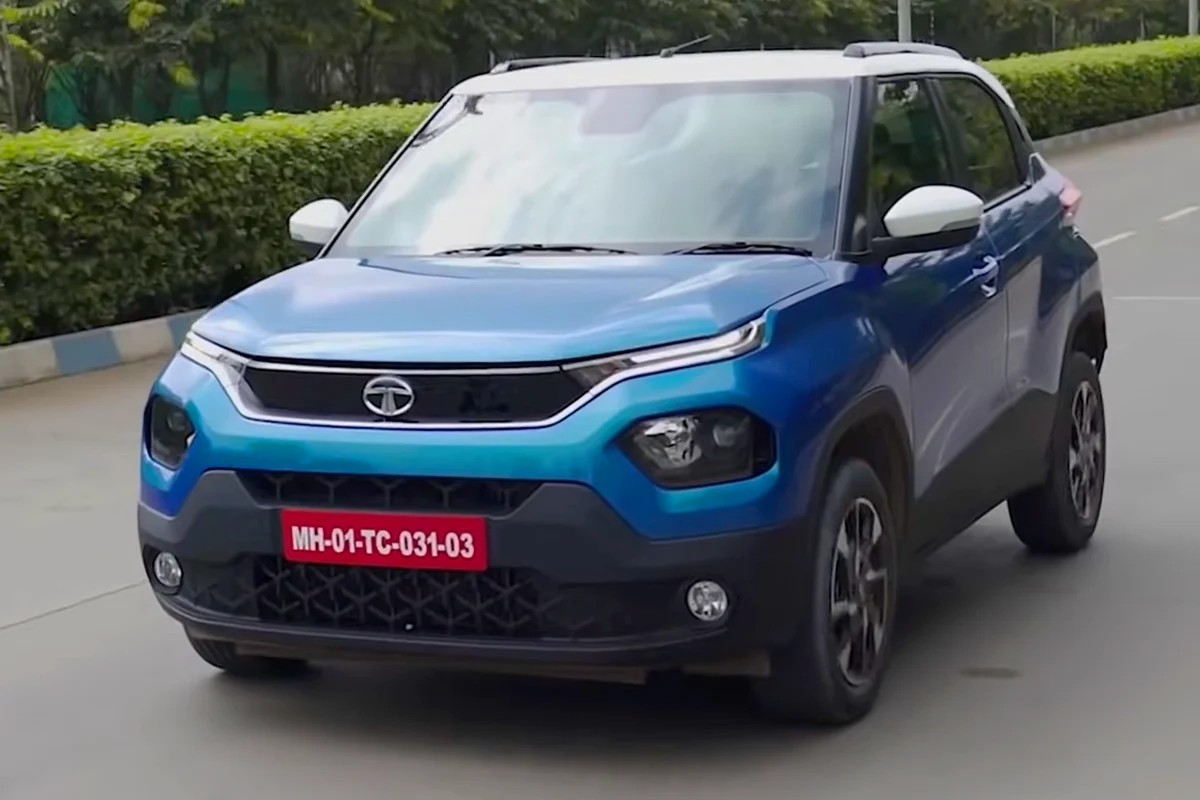
The 2026 Tata Punch Smart petrol manual is listed at ₹5,74,990 ex-showroom in India, and the Pure petrol manual at ₹6,64,990, in Tata’s published specifications. A September 2026 dealer schedule puts the Smart petrol manual at ₹6,48,291 on-road, while Tata’s separate Punch.ev specifications show Mumbai ex-showroom examples of ₹9,79,000 for 30 kWh and ₹11,19,000 for 40 kWh.
The table gives exact prices for selected configurations from one SP Cars schedule effective 1 September 2026. Tata’s combustion specifications corroborate the first two prices. The schedule covers several ways to buy the Punch, from the entry petrol manual to a higher-trim CNG automatic. Treat the final row as a reference for that specific build. Establishing the full price range today needs a complete local price list.
The trim name is only part of the order. The ₹90,000 difference between Smart and Pure in the opening prices compares two petrol manuals. The ₹1,02,000 difference between the two Pure+ AMTs compares fuel systems under the same trim name. Confirm the equipment for each build before treating that second gap as the cost of CNG alone. Those comparisons are ex-showroom, so the gap between the final quotes can also reflect registration and insurance.
Tata Motors Passenger Vehicles confirmed separate combustion and electric facelift programmes in its 13 November 2026 investor presentation. Use Punch for the petrol, CNG and turbo lineup and Punch.ev for the battery-electric car when requesting quotes. Both nameplates appear in the company’s 2026 reporting. Local orderability still depends on the exact build and branch.
| Trim | Powertrain | Transmission | Listed ex-showroom price |
|---|---|---|---|
| Smart | Naturally aspirated petrol | Manual | ₹5,74,990 |
| Pure | Naturally aspirated petrol | Manual | ₹6,64,990 |
| Pure+ | Naturally aspirated petrol | AMT | ₹7,74,990 |
| Adventure | Turbo petrol | Manual | ₹8,46,990 |
| Smart | iCNG | Manual | ₹6,84,990 |
| Pure+ | iCNG | AMT | ₹8,76,990 |
| Accomplished+ S | iCNG | AMT | ₹10,76,990 |
The dealer’s Smart petrol manual entry starts at ₹5,74,990 ex-showroom and adds ₹40,764 for insurance, ₹31,737 under RTO and ₹800 for FASTag. The TCS entry is zero for this example. Those lines add up to ₹6,48,291, which is ₹73,301 above ex-showroom. Each figure comes from one dated dealer schedule, including the insurance premium and registration amount.
The same schedule shows an alternate total of ₹6,70,724. The ₹22,433 difference comprises ₹12,999 for accessories, ₹2,000 for roadside assistance and ₹7,434 for a value-added treatment. If two quotes matched those published totals, the apparent price gap would come entirely from the added products. Ask the branch to state which items it has included in the booking price and to show the revised total for any items you choose to remove.
Compare insurance line by line when one branch quotes a lower premium. Check the insured declared value, coverage period and add-ons before drawing a conclusion about the saving. For an RTO line that differs, ask for the registration jurisdiction and a breakdown of what the dealer has grouped under it. Keep the cash purchase total and any financing charges on separate lines so you can reconcile each with the relevant paperwork.
A usable quote identifies the branch, variant, registration location, issue date and validity period. It also states any discount and the conditions attached to it. Check Tata’s dealer locator for the branch’s current listing, then ask that branch for its own written quote. If its total differs from the published schedule, the itemised amounts let you trace the change to the vehicle price, local charges, insurance or dealer products.
Tata Harrier price, petrol and diesel variants, and Harrier.ev
The January 2026 combustion brochure lists three 1,199 cc three-cylinder engine configurations. The naturally aspirated 1.2-litre Revotron petrol produces 87.8 PS and 115 Nm. Tata pairs it with a five-speed manual or five-speed automated manual transmission, abbreviated AMT. The 1.2-litre Revotron iCNG is a petrol and CNG bi-fuel engine with five-speed manual and AMT versions. Tata quotes 73.4 PS and 103 Nm in CNG mode. Use the brochure’s separate petrol-mode figures if that operating mode matters to your comparison.
The turbo petrol produces 120 PS and 170 Nm and comes with a six-speed manual in the 2026 brochure. Adventure TC MT and Accomplished+ S TC MT are examples in Tata’s specifications. If an automatic is essential, build your combustion shortlist around the available petrol and CNG AMTs. An AMT automates clutch operation and gear selection on a manual gearbox. A drive in the exact powertrain you’re considering can help you judge how its shifts feel in traffic and during low-speed manoeuvres.
CNG also changes how much luggage space you can use. Tata publishes 366 litres for the petrol Punch and 210 litres of usable boot space for the iCNG. Check the measurement definition and the shape of the usable space if you regularly carry a pushchair or a large suitcase. The combustion body measures 3,876 mm long, 1,742 mm wide and 1,615 mm high, with a 2,445 mm wheelbase and 193 mm unladen ground clearance.
To see what the CNG premium would buy you, take the ₹1,02,000 ex-showroom gap between the two Pure+ AMTs as a comparison from the dated table. Replace it with the difference between your own itemised on-road quotes for a purchase calculation. Estimate petrol cost per kilometre using local rupees per litre and your expected kilometres per litre. For CNG, use rupees per kilogram and kilometres per kilogram, and include any driving you expect to do on petrol. If the resulting saving per kilometre is positive, divide the price premium by that saving to estimate the distance needed to recover it.
The regular petrol and iCNG have five-speed manual or AMT options according to the January 2026 brochure. The turbo entry has a six-speed manual and is specified at 120 PS and 170 Nm. For iCNG, confirm the fuel mode when comparing performance numbers. The listed 73.4 PS and 103 Nm apply in CNG mode.
Tata’s 2026 combustion records use Smart, Pure, Pure+, Pure+ S, Adventure, Adventure S, Accomplished and Accomplished+ S. Read the suffixes as part of the variant name. In the specifications, P identifies petrol, MT identifies manual, AMT identifies automated manual and TC identifies the turbo petrol in labels such as Adventure TC MT. Pure+ P AMT and Pure+ CNG AMT are distinct entries. Some older iCNG material describes a manual-only lineup, so use the 2026 brochure for the transmission comparison.
Start with the gearbox and fuel type you want, then compare the equipment rows for the builds Tata actually lists. Suppose a branch offers a price for a Pure+ automatic and you expect the equipment shown under Pure+ S. Ask for the complete variant description and have the dealer identify the feature you care about in that build’s equipment row. That resolves both the suffix and the possibility that the price refers to the other Pure+ AMT powertrain.
Variant specifications, a dealer’s price schedule and a branch’s inventory answer different questions. Tata’s records establish listed configurations, and the dealer schedule gives prices within its dated scope. A branch can confirm whether a particular fuel, gearbox and colour combination is in stock or available to order. If the only available car is a display or demonstrator unit, ask for its manufacture month, registration status and the terms attached to that particular vehicle.
The September dealer schedule lists six Punch.ev ex-showroom prices. Smart 30 is ₹9,79,000 and Smart+ 30 is ₹10,39,000. Smart+ 40 is ₹11,19,000, Adventure 40 is ₹11,94,000, Empowered 40 is ₹12,69,000 and Empowered+ S 40 is ₹12,99,000. The numbers 30 and 40 identify the battery capacity in kWh. Tata lists both battery configurations as automatic and quotes 65 kW for the 30 kWh version and 95 kW for the 40 kWh version, each with 154 Nm.
Tata’s 20 June 2026 pricing announcement lists introductory Mumbai ex-showroom prices of ₹9,69,000 for Smart 30, ₹10,89,000 for Smart+ 40 and ₹12,59,000 for Empowered+ S 40. Some older Tata price material still reflects that announcement. The newer specifications show Mumbai examples of ₹9,79,000 and ₹11,19,000, corresponding to Smart 30 and Smart+ 40 in the September dealer schedule. When figures differ across listings, match the full variant, location, publication date and introductory terms before using them in a budget.
On the same Smart+ trim, the September figures put the 40 kWh version ₹80,000 above the 30 kWh version ex-showroom. Tata quotes a 468 km MIDC Part 1 and Part 2 figure for the larger battery and a separate C75 estimate of 335–355 km. The 30 kWh C75 estimate is 260–275 km. Tata’s support table and specifications FAQ differ on the 30 kWh certification status. Use the C75 figures as manufacturer estimates and assess the battery choice against your usual distance between dependable charging stops, including the reserve you want on arrival.
The ₹6.49 lakh headline in the manufacturer’s battery-as-a-service announcement belongs to a dual-loan example. The ₹2.60 per km figure expresses the battery EMI at an assumed usage level. The loan’s rate and tenor determine the EMI, and the example excludes charging and statutory costs. Before comparing it with an outright quote, confirm whether the plan is currently offered and obtain the repayment schedules, upfront charges and total payable for both loans.
| Trim | Battery | Listed ex-showroom price |
|---|---|---|
| Smart 30 | 30 kWh | ₹9,79,000 |
| Smart+ 30 | 30 kWh | ₹10,39,000 |
| Smart+ 40 | 40 kWh | ₹11,19,000 |
| Adventure 40 | 40 kWh | ₹11,94,000 |
| Empowered 40 | 40 kWh | ₹12,69,000 |
| Empowered+ S 40 | 40 kWh | ₹12,99,000 |
Tata lists the 2026 electric body at 3,880 mm long, 1,742 mm wide and 1,622 mm high, with a 2,445 mm wheelbase. The battery capacities are 30 and 40 kWh, and the model specifications give 65 and 95 kW respectively. Tata lists 366 L of boot space excluding the parcel shelf. Use the documentation for the car you are considering if luggage fit or parking space decides between the electric and combustion models.
Tata launched the original Punch in October 2021 and dates the combustion facelift to January 2026. A used listing or an older dealer advertisement can therefore show a familiar name with different dimensions, equipment or gearbox availability. Bharat NCAP records that sales of the earlier Punch.ev ended with the February 2026 update and gives a VIN scope for the prior assessment. For a new-looking car advertised at an unusually low price, establish the generation, manufacture month and registration status before comparing prices.
Use the domestic Tata specification and the dealer’s vehicle documents to resolve discrepancies with listings that show overseas equipment or powertrains. The prices here cover India-market vehicles. If a seller describes a car as an import, request its exact specification, registration documentation and written warranty terms from the seller. For old domestic stock, check the applicable brochure and confirm when the warranty starts for the individual vehicle.
Bharat NCAP assessed the 2026 combustion Punch at five stars for adult and child protection, with 30.58 out of 32 for adults and 45 out of 49 for children. The tested cars were Pure+ CNG AMT and Accomplished CNG MT. The applicability table covers named petrol and CNG codes, and the February revision adds the Adventure MT and Accomplished+ S MT turbo codes. Match the code on the applicable sheet to the quoted build.
The separate 2026 Punch.ev assessment, published from July 2026, gives 31.09 out of 32 for adult protection and 45 out of 49 for child protection. Bharat NCAP tested Adventure 40 and Empowered+ S 40 and lists six applicable variants in its annex, including the two 30 kWh builds. Use the applicable VIN scope when checking an older electric Punch, especially if the registration date falls after the model update.
Toyota India models by use, fuel type and launch price
