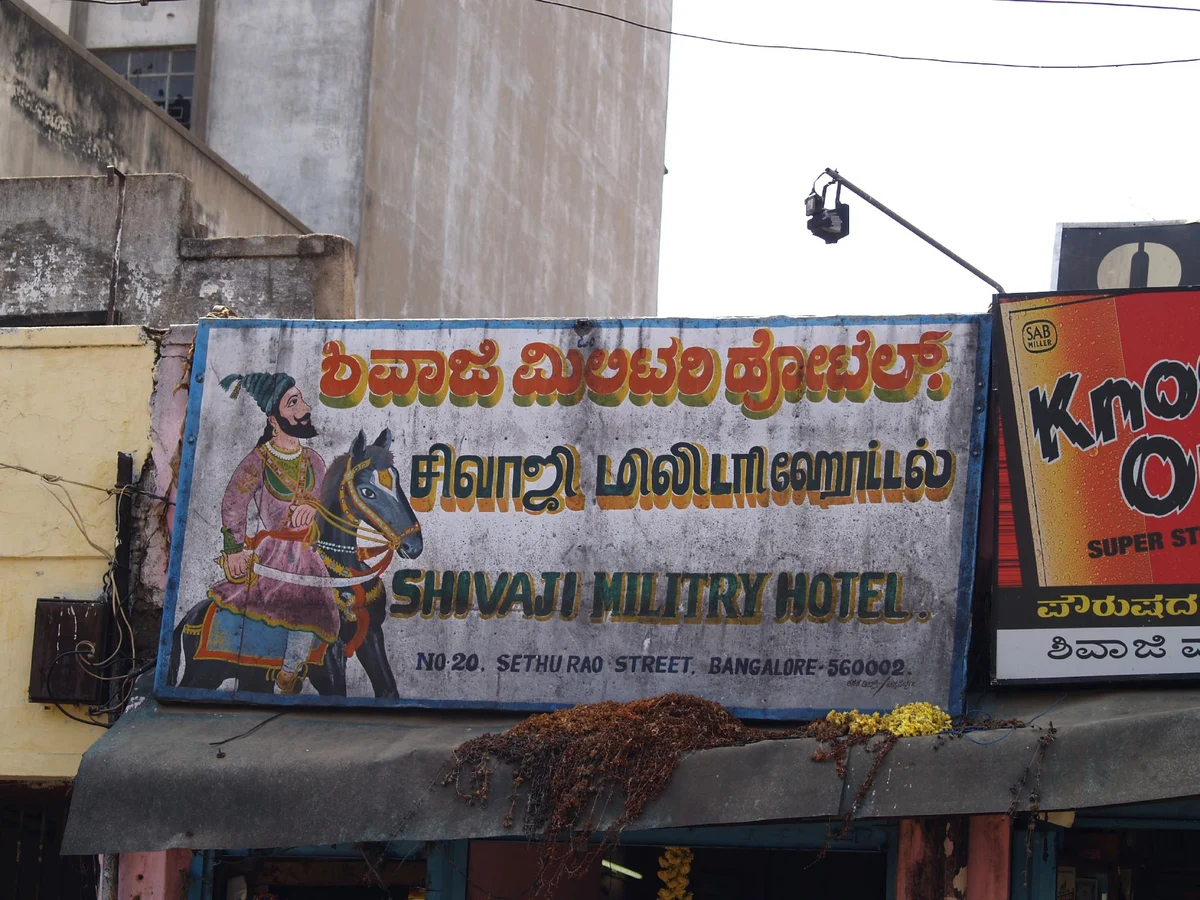
The main languages by state
The largest mother-tongue groups in the 2011 Census rows for the main southern states include Tamil in Tamil Nadu, Kannada in Karnataka, Malayalam in then Kerala and Telugu in the then-undivided Andhra Pradesh. The last of those figures covers the territory that became Telangana in 2014. Modern Telugu official-language provisions in Andhra Pradesh and Telangana are documented by separate sources. The current official state name Keralam came into force in August 2026.
Start with the table if you need exact people counts. It uses the published mother-tongue groups and compares each with the population of the corresponding 2011 geography. The India rows give national context. A native language of a local community, a language used at home today, a second language and the language on a government form can all have different answers in the same town.
| 2011 geography | Mother-tongue group | Number of people | Share of geography |
|---|---|---|---|
| India | Telugu | 81,127,740 | 6.70% |
| India | Tamil | 69,026,881 | 5.70% |
| India | Kannada | 43,706,512 | 3.61% |
| India | Malayalam | 34,838,819 | 2.88% |
| Tamil Nadu | Tamil | 63,753,997 | 88.37% |
| Tamil Nadu | Telugu | 4,234,302 | 5.87% |
| Tamil Nadu | Kannada | 1,286,175 | 1.78% |
| Tamil Nadu | Urdu | 1,264,537 | 1.75% |
| Tamil Nadu | Malayalam | 726,096 | 1.01% |
| Karnataka | Kannada | 40,651,090 | 66.54% |
| Karnataka | Urdu | 6,618,324 | 10.83% |
| Karnataka | Telugu | 3,569,400 | 5.84% |
| Karnataka | Tamil | 2,110,128 | 3.45% |
| Karnataka | Tulu | 1,595,038 | 2.61% |
| Kerala, 2011 Census label | Malayalam | 32,413,213 | 97.03% |
| Kerala, 2011 Census label | Tamil | 502,516 | 1.50% |
| Kerala, 2011 Census label | Tulu | 124,266 | 0.37% |
| Kerala, 2011 Census label | Kannada | 86,995 | 0.26% |
| Undivided Andhra Pradesh, includes present Telangana | Telugu | 70,667,780 | 83.55% |
| Undivided Andhra Pradesh, includes present Telangana | Urdu | 7,505,623 | 8.87% |
| Puducherry | Tamil | 1,100,976 | 88.22% |
| Puducherry | Telugu | 74,347 | 5.96% |
| Puducherry | Malayalam | 47,973 | 3.84% |
Each percentage uses the full population of the geography named in its row. The selected groups show where a single-language description would miss substantial communities. Karnataka’s Urdu group accounted for 10.83% in 2011, and Tamil Nadu’s Telugu group accounted for 5.87%. The figures describe reported mother tongue at the time of the Census. For a government interaction, start with the official-language column and check the instructions of the office or service involved.
- Census of India: Andhra Pradesh Mother Tongues, 2011
- Census of India 2011, C-16 population by mother tongue, original Excel workbook
- Registrar General of India, Paper 1 of 2018, Language, Census 2011
- India Code, Andhra Pradesh Reorganisation Act, 2014
- Ministry of Home Affairs, 31st Southern Zonal Council meeting notice, August 2026
- Ministry of Home Affairs, Kerala (Alteration of Name) Act, 2026
- Government of Kerala, Gazette translation of the Malayalam Language Act, 2025, notified 5 March 2026
- India Code, Kannada Language Comprehensive Development Act, 2022
- India Code, Telangana Official Languages Act, 1966, consolidation
- Supreme Court of India, Varshatai v. State of Maharashtra, comparative state-language table, 15 April 2025
- India Code, Puducherry Official Languages Act, 1965
How the four languages fit into the Dravidian family
The Census language report classifies Kannada, Malayalam, Tamil and Telugu within the Dravidian family. The Linguistic Survey of India’s Tamil Nadu volume places Kannada, Malayalam and Tamil in its discussion of South Dravidian, where it also discusses Tulu, Kodagu, Irula, Toda, Kota and Badaga. The survey distinguishes South-Central Dravidian as a separate subgroup. For a comparison at family level, the shared Dravidian classification is the useful starting point.
Family membership describes linguistic relationships. If a Tamil reader is preparing a notice for Malayalam-speaking residents, the shared classification gives context for the two languages. The practical decision about translation depends on whether those residents can read the notice comfortably. Census mother-tongue counts provide no measure of how easily readers of one language can understand a particular text in another.
Tamil, Kannada, Malayalam and Telugu each have a separate entry among the 22 languages in the Constitution’s Eighth Schedule. Tulu and Coorgi/Kodagu sit outside that schedule and still have separately published C-16 groups. This matters when choosing a Census table. The scheduled-language part gives figures for the four major groups, and the non-scheduled part supplies published figures for Tulu and Coorgi/Kodagu. A comparison restricted to the scheduled list would leave those communities out of the count.
What the 2011 counts measure
Use the C-16 all-persons column, the correct state or India row and the aggregate language-group code. For example, Tamil group 020000 is a total over its returns. Adding the following named returns again would double-count people. For a state-level comparison check that district and subdistrict are both zero. The national denominator used here is 1,210,854,977 and every state share has its own population denominator.
A national count and a state share answer different questions. Malayalam had the smallest national count of the four and accounted for 97.03% of the population in the 2011 Kerala row. Tamil had a much larger national count and accounted for 88.37% in the Tamil Nadu row. The first comparison measures the size of each group across India. The second measures its concentration within the corresponding state.
A C-16 language group can contain several named mother-tongue returns. The workbook presents the group total alongside its component returns, so adding the components to the total counts those residents twice. Preserve the grouping level when comparing rows. A named return is useful when the question concerns that specific response to the Census, while the group row is the unit used for the figures in the state comparison.
For a reproducible example, divide Tamil Nadu’s 63,753,997 Tamil mother-tongue returns by its 72,147,030 residents and multiply by 100. Rounded to two decimal places, the result is 88.37%. For Kannada in Karnataka, divide 40,651,090 by 61,095,297 for 66.54%. These are calculations from the reported all-person counts. The full source includes rural and urban counts, and calculations for those settlement categories need their own matching denominators.
Why the Andhra Pradesh and Telangana figures are combined
The Census counted 84,580,777 residents in undivided Andhra Pradesh in 2011. Of those, 70,667,780 were in the Telugu mother-tongue group and 7,505,623 were in the Urdu group. Telangana and successor Andhra Pradesh took shape under the Andhra Pradesh Reorganisation Act, 2014, with 2 June 2014 as the appointed day. The published 2011 state row measures the earlier combined territory.
The Andhra Pradesh Reorganisation Act took effect on 2 June 2014. Its consolidated wording also includes a 2014 amendment affecting parts of then Khammam district. For a modern-boundary estimate, establish the relevant geographic crosswalk and population coverage before reassigning data. As published, the 2011 undivided-level denominator is 84,580,777. The Telugu group is 70,667,780, about 83.55%, and the Urdu group is 7,505,623, about 8.87%.
District aggregation requires a boundary check as well. The consolidated reorganisation law reflects a 2014 amendment affecting areas of then Khammam district. For a 2011 estimate on successor boundaries, look for a published table that explicitly aligns the old counts to those boundaries, or documentation showing how the affected areas were allocated. A list of district totals on its own can leave ambiguity about which population is included.
- Census of India: Andhra Pradesh Mother Tongues, 2011
- Census of India 2011, C-16 population by mother tongue, original Excel workbook
- India Code, Andhra Pradesh Reorganisation Act, 2014
- India Code, Telangana Official Languages Act, 1966, consolidation
- Supreme Court of India, Varshatai v. State of Maharashtra, comparative state-language table, 15 April 2025
- Ministry of Home Affairs, 31st Southern Zonal Council meeting notice, August 2026
- Ministry of Home Affairs, Kerala (Alteration of Name) Act, 2026
Languages a state total can hide
Tulu illustrates how a statewide share can understate the significance of a language for a local comparison. The 2011 Census recorded 1,846,427 people in the Tulu group nationally, including 1,595,038 in Karnataka and 124,266 in Kerala. It accounted for 2.61% of Karnataka’s population. That percentage describes its share across the entire state, so it gives limited guidance about its prominence in any particular locality.
Kodava illustrates a different issue. Karnataka had 110,508 people in the Coorgi/Kodagu group, of whom 96,878 gave the specific Kodava return. A label on a chart or map should match the quantity displayed. Use Coorgi/Kodagu for the broader group total and Kodava for the named return. Publishing both with their relationship stated makes the figures readable without suggesting that they describe two wholly separate populations.
The Linguistic Survey of India’s Tamil Nadu volume documents fieldwork on Kota in the Nilgiri district and publishes linguistic and sociolinguistic findings. Its Kota chapter supplies no 2011 speaker figure. A language profile can therefore cite Kota’s documented presence in the Nilgiris while leaving a comparable numeric entry unavailable. Treating that gap as zero would erase the community that the survey describes.
Puducherry shows why territory-wide figures can be too broad even when the question concerns a major language. Its 88.22% Tamil share combines the Union Territory’s districts. For a notice intended for Yanam, the relevant starting points are local population data and the territory’s provision for notified official use of Telugu in Yanam. The combined Tamil figure measures the territory as a whole and cannot establish the audience mix in that enclave.
A national group can be concentrated in a few places. The Census counts 1,846,427 Tulu mother-tongue returns under code 117000, including 1,595,038 in Karnataka and 124,266 in the 2011 Kerala row. Within Karnataka the grouped Coorgi or Kodagu figure is 110,508, of which 96,878 are the narrower Kodava return. The nested rows matter to the definition you are quoting. District tables or linguistic surveys give a more local view.
Language map of India, 2011 mother tongues by state and area
- Census of India: Karnataka Mother Tongues, 2011
- Census of India 2011, C-16 population by mother tongue, original Excel workbook
- Registrar General of India, Paper 1 of 2018, Language, Census 2011
- Census of India, Linguistic Survey of India, Tamil Nadu
- India Code, Puducherry Official Languages Act, 1965
- Ministry of Home Affairs, 31st Southern Zonal Council meeting notice, August 2026
- Lakshadweep Administration, Minicoy
Official languages, correspondence and forms
Keralam is the official state name from 25 August 2026 under the Kerala (Alteration of Name) Act, 2026. Use Keralam for the current state and Kerala when identifying its historical Census row. The separate Malayalam Language Act, 2025, notified in March 2026, provides for Malayalam in official state work subject to constitutional provisions and specified exceptions. Those exceptions include English for correspondence with the Union and with other states.
The Malayalam Act also requires English translations for specified legislative material and provides for correspondence and replies in Tamil or Kannada under stated rules for declared linguistic-minority areas. A resident checking the language options for correspondence would need to establish whether those rules apply to the area and office concerned. The presence of Tamil or Kannada in the state’s Census figures cannot establish that designation.
Karnataka’s law expressly covers the state and local authorities. Telangana’s law sets statewide status for Telugu and Urdu and separately addresses implementation by notification and continuing English use for specified purposes. For Tamil Nadu and Andhra Pradesh, the Supreme Court’s 15 April 2025 comparison in Varshatai v. State of Maharashtra provides a broad reference. Use the relevant act, notification or department instructions to verify the rule for a particular service.
Keralam’s statutory name change took effect on 25 August 2026. Retain Kerala on the 2011 source rows for traceability. The state’s March 2026 Gazette translation sets out its Malayalam official-language provisions and uses of English, with separate rules for some Tamil and Kannada correspondence. The language law and state rename changed the terminology of present administration. The Census table remains a historical count for its recorded geography.
- Census of India: Kerala Mother Tongues, 2011
- Ministry of Home Affairs, Kerala (Alteration of Name) Act, 2026
- Government of Kerala, Gazette translation of the Malayalam Language Act, 2025, notified 5 March 2026
- India Code, Kannada Language Comprehensive Development Act, 2022
- India Code, Telangana Official Languages Act, 1966, consolidation
- Supreme Court of India, Varshatai v. State of Maharashtra, comparative state-language table, 15 April 2025
- India Code, Puducherry Official Languages Act, 1965
How to verify a percentage or update a language claim
To reproduce Karnataka’s Kannada percentage, use the Census 2011 C-16 workbook’s Karnataka row with state code 29. Select the state total by setting both district and sub-district codes to zero and match the six-digit Kannada group code, 007000. The all-persons value in column H is 40,651,090. Dividing by the state population of 61,095,297 and multiplying by 100 gives 66.54% when rounded to two decimal places.
For an urban or rural share, use the corresponding mother-tongue count and the population for that same settlement type. A rural count divided by the full state population answers a different question about the group’s rural members as a proportion of everyone in the state. Statement 2 of the Registrar General’s language report gives population denominators by geography, and the C-16 distributions provide the corresponding language counts.
When updating a claim, track the date and geography that belong to it. An official name can change while the Census label remains part of a historical record. An official-language provision can acquire a commencement date or a local notification while the underlying Census count stays fixed. For newer population figures, confirm the release year, boundaries and grouping definitions before replacing a number or describing a change over time.
- Census of India 2011, C-16 population by mother tongue, original Excel workbook
- Registrar General of India, Paper 1 of 2018, Language, Census 2011
- India Code, Andhra Pradesh Reorganisation Act, 2014
- Ministry of Home Affairs, Kerala (Alteration of Name) Act, 2026
- Government of Kerala, Gazette translation of the Malayalam Language Act, 2025, notified 5 March 2026
- India Code, Telangana Official Languages Act, 1966, consolidation
- India Code, Puducherry Official Languages Act, 1965
Sources
- Census of India: Karnataka Mother Tongues, 2011
- Census of India: Andhra Pradesh Mother Tongues, 2011
- Census of India: Tamil Nadu Mother Tongues, 2011
- Census of India: Kerala Mother Tongues, 2011
- Census of India 2011, C-16 population by mother tongue, original Excel workbook
- Registrar General of India, Paper 1 of 2018, Language, Census 2011
- Census of India, Linguistic Survey of India, Tamil Nadu
- India Code, Andhra Pradesh Reorganisation Act, 2014
- Ministry of Home Affairs, 31st Southern Zonal Council meeting notice, August 2026
- Ministry of Home Affairs, Kerala (Alteration of Name) Act, 2026
- Government of Kerala, Gazette translation of the Malayalam Language Act, 2025, notified 5 March 2026
- India Code, Kannada Language Comprehensive Development Act, 2022
- India Code, Telangana Official Languages Act, 1966, consolidation
- Supreme Court of India, Varshatai v. State of Maharashtra, comparative state-language table, 15 April 2025
- India Code, Puducherry Official Languages Act, 1965
- Lakshadweep Administration, Minicoy
- Reusable photograph, hotel sign in Kannada, Tamil and English in Bengaluru
