When is India Independence Day?
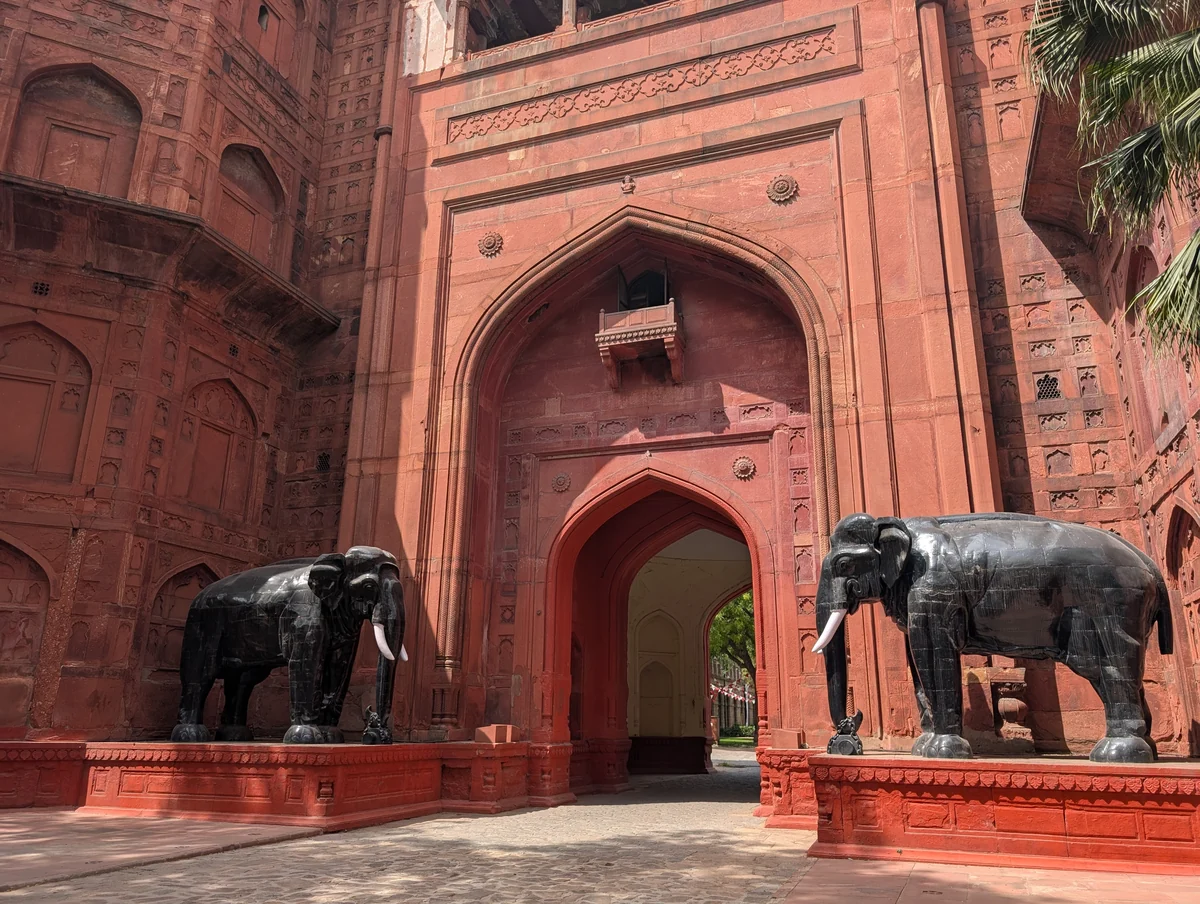
India celebrates Independence Day on 15 August every year to commemorate its independence in 1947. The national observance includes an address to the country by the Prime Minister from the Red Fort in Delhi.
The government’s archive calls the 15 August 2026 observance the 80th Independence Day. Counting the observance and counting the years since independence give different numbers. Subtracting 1947 from 2026 gives 79 elapsed years. Counting 1947 as the first in the series gives the 80th Independence Day. The annual date is Saturday 15 August in 2026 and Sunday 15 August in 2027.
Use the full date with the year when making a calendar entry, sending an invitation or sharing an event announcement. A message that says only “15 August” can work as an annual reminder. A message inviting people to attend needs the year and location, especially if it will be forwarded or left online after the event.
If you searched for “India Day” because you saw that wording on a flyer, check the organizer’s description before assuming it refers to the national holiday. Use “India Independence Day” when searching for the observance itself, then add a year for national coverage or a city or district for events near you. The extra term helps you find the announcement that answers your question.
What 15 August commemorates
The Parliamentary Archives date the Indian Independence Act to 18 July 1947, when it received Royal Assent. The enacted text set 15 August 1947 as the appointed day for the establishment of the two independent Dominions, India and Pakistan. The document date and the date when those provisions took effect answer different questions. India observes 15 August because it is the date of independence.
Republic Day marks the coming into effect of most of the Constitution on 26 January 1950. Article 394 names the provisions that came into force earlier, at adoption, and sets 26 January for the remainder. That distinction helps explain why a 1947 independence milestone and the 1950 constitutional milestone each have a separate national observance and ceremony.
For a historical quotation, look for an archival record that identifies the speaker, occasion and date, then use the recording or transcript to check the wording. Establish when the original event took place from the record itself. An upload date tells you when a file was posted and can be years removed from the occasion it documents.
You are preparing a school display with a brief explanation of the holiday and a photograph from an earlier observance. Give the explanation the date 15 August 1947. Give the photograph its own caption using the date and location recorded by the archive. Keeping the dates beside the material they describe makes the display easier to read and lets someone else verify the caption later.
India Republic Day on 26 JanuaryThe Quit India Movement of 1942
The Red Fort address and broadcast coverage
The National Portal of India identifies the Prime Minister’s address from the Red Fort in Delhi as part of the national observance. To watch in a specific year, look for coverage that names the occasion, gives the full date and identifies the broadcaster or publishing authority. Check whether the listed time is for the start of coverage or for the address itself.
Use Indian Standard Time, or IST, when recording a confirmed Delhi schedule. If you will watch from outside India, convert the confirmed time for your location and check the local calendar date as well. When you send the converted time to others, keep the original IST time with it so they can check the conversion against the announcement.
The Press Information Bureau’s 2026 archive includes highlights and an English rendering of the Prime Minister’s address, alongside dated releases. Use the full rendering to read a passage in context and check the archive record for the occasion and year. An official release summarizing the event is useful for dates and participants. A complete speech record lets you check the words around the passage you want.
A broadcast listing tells you how to follow the observance remotely. If your plan involves going to the Red Fort or visiting nearby, look separately for official information on attendance, visitor hours and any local travel changes. Use the notice for the specific date of your visit, particularly if it spans both the holiday and an adjacent day.
Finding an Independence Day event near you
Start with the kind of event you want to attend. If you are looking for a civic ceremony, check announcements from the relevant district or municipal authority. For a school, museum or cultural venue, check the institution’s own notices. Include the city or district, state and year in your search so you can distinguish announcements for places with similar names.
Read the event date on the notice even when its title includes “Independence Day”. The title identifies the occasion being marked. The date and time in the programme establish when that particular activity takes place. If you are choosing between events, record the venue, date and organizer alongside each listing so you can return to the right source when plans change.
Check who can attend before making a trip. Look for explicit public entry information and any stated registration requirements. A venue’s ordinary visitor hours may answer whether it is usually open at that time. An event notice can specify who can attend the programme and which part of the venue it uses. For accessibility details that the notice leaves unclear, use the venue’s published contact information.
A district notice mentions a ceremony and an invitation from your child’s school describes a programme on the same date. You can use the school invitation to check when families are expected to arrive. For the district event, use the district’s entry information. A start time on the district notice gives you the schedule, while access details need to come from the same organizer or its designated venue.
Checking holidays, opening hours and travel
The Indian Institute of Remote Sensing, or IIRS, publishes a gazetted holiday list for the institute and lists Independence Day on 15 August in its 2027 calendar. Use that calendar when the question concerns IIRS. If your errand involves another institution, look for that institution’s own calendar or a notice that explicitly covers it. Match the scope of the notice to the office or service you plan to use.
In 2027 the holiday falls on a Sunday. The calendar date answers when to expect the observance. For a museum reopening or whether a work schedule changes on the Monday, verify the relevant institution’s dated notice. Look for both the holiday name and an effective date. This matters if the institution posts its weekly closure patterns in one place and special holiday hours somewhere else.
You want to visit a museum and complete an office appointment on 15 August. Check the museum’s dated visitor notice for admission and opening hours, then check the appointment provider’s calendar or booking confirmation. If you need to travel between them, check the transport operator’s holiday information for that service. Each source answers a separate part of the trip, and an older notice can still appear in search results.
| What you need to know | Source to check | Detail to match |
|---|---|---|
| Whether an office is open | Office calendar or dated closure notice | Office name, location and year |
| Whether you can join a ceremony | Organizer’s event announcement | Public entry, venue and registration terms |
| When to watch the national address | Official programme or broadcaster’s listing | Year, time zone and what the start time refers to |
| Whether a transport service is running | Operator’s service notice or timetable | Travel date and specific service |
| Whether a museum is admitting visitors | Venue’s visitor notice or booking calendar | Holiday hours and admission arrangements |
Writing an Independence Day greeting or invitation
“Happy Independence Day” works as a short greeting. If your audience is international or your message will be read outside the immediate context of the holiday, add India and 15 August. In a school or workplace message, one sentence about independence in 1947 can give the greeting context without asking readers to infer why the date matters.
A greeting for an international team could read, “Happy Independence Day to everyone celebrating in India and around the world. On 15 August, India marks its independence in 1947.” If the team also needs information about office hours, give the affected location and confirmed hours in a separate paragraph so people can find the practical details when they return to the message.
An invitation needs enough information for someone to make a decision about attending. Give the organizer’s name, the full date, the announced start time and the venue. Include the time zone for an online audience or a group joining from more than one country. Where entry depends on registration, include the organizer’s confirmed instructions. If the programme time is still pending, label it as pending before sending the invitation.
Keeping annual dates and event notices current
The recurring date and the event programme have different lifespans. The National Portal of India supports the annual date and the role of the Red Fort address. Any listing for a particular year needs its own evidence. Save the notice’s year, the issuing organization and the date you checked it in your working notes so you can recognize a replacement or correction.
Treat an event listing as current through the end of that event unless the organizer supersedes it earlier. Recheck it close to the event if you are relying on the time, entry arrangements or venue. Give travel and closure notices the effective dates stated by the issuing body. Once those dates pass, keep the notice only where it serves as a clearly dated record of that year.
You find an official 2026 ceremony notice while planning for 2027. Use the 2026 notice to identify who organized that edition and where they published updates. Use the 2027 announcement to establish the new programme and attendance arrangements. Until that announcement appears, 15 August 2027 is the holiday date you can put in your calendar, and the ceremony details remain to be confirmed.
Sources
- National Portal of India | Independence Day
- IIRS–ISRO | 2026 and 2027 gazetted holidays
- UK legislation | Indian Independence Act 1947 as enacted
- Parliamentary Archives | Indian Independence Act, 18 July 1947
- Legislative Department | Constitution of India
- Press Information Bureau | 2026 Independence Day archive