How much gold can you carry from the USA to India?
Under India’s Baggage Rules, 2026, a resident or tourist of Indian origin who has resided abroad for more than one year may bring up to 40 grams of jewellery duty-free in bona fide baggage if female, or up to 20 grams if in any other passenger category by sex. A separate concessional paid-duty route allows up to 1 kilogram of qualifying gold per eligible passenger of Indian origin or holding a valid Indian passport, subject to at least six months abroad under the notification’s conditions and payment in convertible foreign currency.
The baggage rules took effect on February 2, 2026. Departure from a U.S. airport establishes the direction of your journey. Indian Customs applies its own passenger categories and considers your time abroad, the form of the gold and whether the articles will stay in India or leave with you. The former ₹50,000 and ₹100,000 value caps were removed from the special duty-free jewellery rule. Those figures still turn up in older guidance.
Start with a separate entry for each item you plan to carry. A ring you ordinarily wear, a necklace you intend to leave in India and a bullion bar raise different questions, even when they travel in the same bag. Use the table to identify the provision worth checking for each item. If you have several items in one category, keep their individual descriptions and weights available so Customs can assess the actual contents of your baggage.
| What you are carrying | What to check before travel |
|---|---|
| Used jewellery worn as an everyday essential | Whether Customs treats it as a personal effect reasonably needed for the trip under Rule 3. |
| Other jewellery, including a gift | Whether you qualify for the Rule 6 special allowance and how much jewellery falls within its weight limit. |
| Jewellery studded with stones or pearls | Rule 6 includes studded adornments. Serial 194(ii) excludes ornaments studded with stones or pearls. |
| Bullion, bars or coins | The applicable serial 194 description and Condition 23 eligibility. The Rule 5 general allowance excludes gold other than ornaments. |
| A tourist’s valuables intended for re-export | Whether Customs will authorize temporary import under CBD-IV and how to complete re-export. |
Everyday jewellery, gifts and the special allowance
Rule 6 covers jewellery in the form of personal adornments ordinarily worn. The definition includes gold, silver, platinum and similar precious metals, and covers both studded and unstudded pieces. For a bag containing several kinds of precious-metal jewellery, identify every relevant piece and show Customs the inventory. A total based solely on the pieces you think of as plain gold can leave out articles that fall within the jewellery definition.
Rule 3 deals separately with personal effects reasonably needed for the trip and excludes Annexure I items. Wearing a piece on the flight is one detail about how you carry it. Customs still has to consider whether it qualifies as a personal effect. CBD-I, the accompanied baggage form, asks about jewellery beyond daily necessities or the prescribed special allowance. That distinction matters if you wear some pieces regularly and pack others for a ceremony or as gifts.
Suppose a female passenger of Indian origin has resided in the U.S. for 18 months and plans to bring a plain 32-gram gold necklace that will stay with family in India. The weight fits within her 40-gram Rule 6 figure if she meets the passenger and baggage conditions. If she also brings a plain 12-gram bracelet and both pieces are assessed under Rule 6, their combined weight is 44 grams. She should raise the excess with Customs and confirm how it will be assessed.
Rule 5 provides a separate general baggage allowance, which passengers cannot pool. Annexure I excludes gold and silver other than ornaments from that allowance. For a family journey, record who is carrying each article and check the applicable provision for that passenger. Ask arrival Customs how it will classify jewellery outside the special allowance, especially where some items might qualify as personal effects and other pieces are intended to stay in India.
Who qualifies for the paid-duty gold route?
Serial 194 of Notification 45/2025-Customs sets out the concessional passenger route, with eligibility governed by Condition 23. Check whether you qualify as a passenger of Indian origin or hold a valid Indian passport under the Passports Act. Then check the stay abroad, the item description and the payment requirement. The 1-kilogram ceiling applies per eligible passenger under this route. Your actual consignment still has to meet the relevant tariff description.
Condition 23 allows short visits to India to be ignored only when their combined duration in the relevant period does not exceed 30 days and the exemption was unused during those visits. Review the full travel history for the period. A traveler who made two India visits of 18 and 14 days would have a combined total of 32 days. Even with each visit individually under 30 days, the traveler could not use that short-visit provision to disregard them.
The duty must be paid in convertible foreign currency. Confirm with Customs at your arrival point which payment methods it accepts for this clearance and what travel records it needs to establish the stay abroad. The 2026 Budget explanatory memorandum lists March 31, 2027 as the concession’s published end date. Look up the entry and its amendments for your arrival date, especially if the trip is scheduled close to that date or later.
Bars, coins and studded ornaments
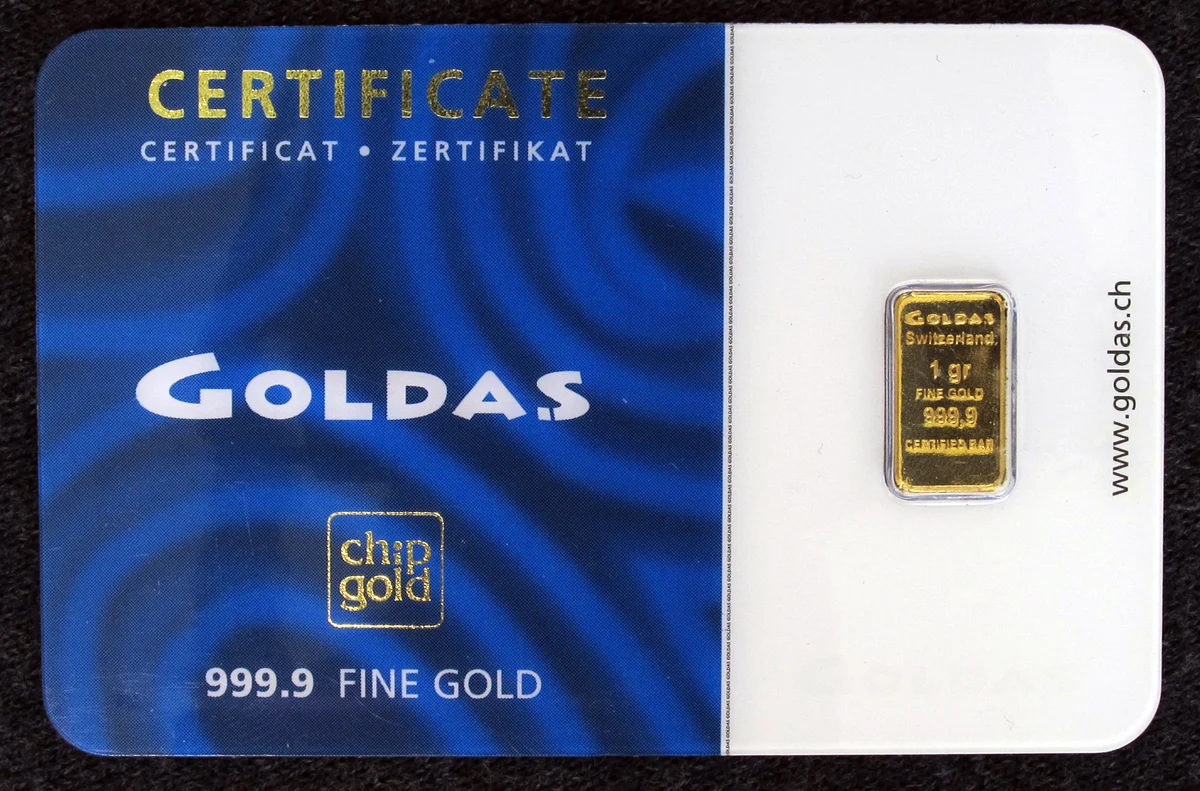
Serial 194(i) describes non-tola bars bearing the manufacturer’s or refiner’s engraved serial number and metric weight. It also covers eligible gold coins with gold content of at least 99.5 percent. Check a bar’s actual markings and look for the weight and fineness in the documentation supplied with the purchase. If the marking is unclear or the paperwork describes a product differently from its inscription, give Customs both descriptions and ask which entry applies.
Serial 194(ii) covers other forms, including tola bars and ornaments, with an exclusion for ornaments studded with stones or pearls. Rule 6 uses its own jewellery definition and expressly includes studded personal adornments. For a gemstone-set bracelet, first check whether it falls within the special duty-free jewellery rule for your passenger category and overall jewellery weight. If it falls outside that allowance, ask Customs to identify its treatment before relying on any passenger concession.
An itemized invoice helps identify what you bought, particularly when a single receipt covers several pieces. For a coin, bring the supplied documentation for its gold content and identify any face value or collectible status when asking about U.S. reporting. For a mixed set of jewellery, flag the pieces with stones or pearls individually. The guide covers passenger baggage from the USA to India. Trade imports, courier and postal shipments, commercial consignments and transit-only itineraries require separate guidance.
Check duty and tariff value for your arrival date
The May 12, 2026 Gazette raised the basic customs duty at both serial 194 entries from 5 percent to 10 percent, effective May 13. The same Gazette separately amended the Agriculture Infrastructure and Development Cess and Social Welfare Surcharge entries. The 10 percent figure describes basic customs duty. To establish the amount payable, Customs needs to determine the classification, valuation and other applicable components. The tariff amendment is Notification 15/2026-Customs. The February baggage declaration regulation has the same number with an N.T. suffix.
Tariff value is another input that changes. Table 2 of the relevant tariff-value notifications gives a statutory value in U.S. dollars per 10 grams for eligible passenger gold under serial 194. Your U.S. purchase receipt gives the retail price. For a 20-gram item assessed using the July 16, 2026 Table 2 figure, doubling US$1,311 gives a tariff value of US$2,622 for that historical example. The calculation illustrates the valuation step. The final assessment also depends on the duty components and applicable conversion.
| Effective date | Tariff value per 10 grams |
|---|---|
| June 16, 2026 | US$1,348 |
| July 1, 2026 | US$1,297 |
| July 16, 2026 | US$1,311 |
| November 20, 2026 | US$1,245 |
For your own trip, find the latest applicable CBIC or Gazette tariff-value notification effective on the arrival date and locate the Table 2 row for serial 194. Check the rate amendments separately. Mumbai Customs pages have displayed conflicting figures, including a 6 percent figure and a 16.5 percent FAQ example alongside superseded jewellery caps. Give arrival Customs the item description and the effective dates you found, and ask which valuation, duty and surcharge provisions apply to your item.
The May notification changes a component of a Customs assessment. The November example changes the published tariff value per 10 grams for the specified entry. Check each in the rules applying on the day of arrival. A receipt from a U.S. jeweller provides evidence of the item and the transaction. It cannot determine eligibility for a tariff entry or which valuation method Customs applies.
- CBIC Notification 45/2025-Customs, serial 194 and Condition 23
- Gazette 15/2026-Customs and 16/2026-Customs, effective May 13, 2026
- Gazette June 2026 Table 2 tariff value for serial 194 passenger gold
- Indian Gazette passenger-gold tariff value effective July 1, 2026
- Indian Gazette passenger-gold tariff value effective July 16, 2026
- Indian Gazette passenger-gold tariff value effective November 20, 2026
Declare accompanied gold and temporary valuables
Use CBD-I for an accompanied passenger declaration. It asks separately about jewellery beyond daily necessities or a prescribed special allowance and about gold bullion. The regulations provide for electronic filing up to three days before arrival, with updates allowed until arrival for electronically declared accompanied baggage. Use the official ATITHI entry point and check that your declaration matches the articles you will present. If you have not filed electronically, a specified Customs officer may allow another method on arrival.
Present declarable baggage to Customs at the Red Channel or other notified customs area at arrival. Have descriptions, weights, available invoices and relevant prior export documentation accessible. An electronic declaration is a filing step. Customs then reviews the goods and decides their treatment. The immigration e-Arrival card is a separate process. If your baggage is coming separately, consult the CBD-II process for unaccompanied baggage.
CBD-IV is the temporary import and re-export process for a tourist’s qualifying articles. If you are bringing a necklace for a wedding and plan to take it home, ask arrival Customs whether it qualifies and how to obtain the certificate. The rules require re-export on your first departure or within six months, whichever comes earlier. Present the articles and certificate when leaving. Tell the officer which items you intend to leave in India so they can be considered under the appropriate import rules.
CBD-III serves another journey pattern. It is an export certificate for qualifying valuables previously taken out of India and later brought back. The declaration is made ahead of departure from India. If you already have a certificate for a piece returning with you from the USA, bring it with the item and identify it to Customs. Use the recorded description to match the article you are presenting.
| Form | Situation | When to bring it to Customs |
|---|---|---|
| CBD-I | Accompanied declarable passenger baggage | An electronic declaration can be filed up to three days before arrival and updated until arrival. |
| CBD-II | Unaccompanied baggage | Use the separate declaration route for the goods travelling apart from you. |
| CBD-III | Export certificate for qualifying valuables first taken out of India | Request before departure from India if relevant to later re-import. |
| CBD-IV | A tourist requests a temporary import for re-export | Present the articles and certificate on re-export, by first departure or within six months, whichever is earlier. |
Check U.S. departure reporting separately
U.S. Customs and Border Protection says bullion, gold bars and jewellery fall outside its definition of currency and monetary instruments for FinCEN Form 105. That guidance applies specifically to U.S. monetary-instrument reporting. Legal-tender and collectible coins have separate definitions, so someone carrying gold coins should check the U.S. rule for those coins. The U.S. reporting threshold does not set an Indian baggage allowance, and India’s CBD-I process deals with the items you are bringing into India.
When checking the departure side, give the authority the item’s form and any legal-tender or collectible status. Ask separately about other U.S. export requirements if they are relevant to your articles. For transport questions, consult your airline’s current conditions for valuables and baggage on your itinerary. A carrier can explain its carriage terms, while arrival Customs determines your Indian classification and clearance. Use the specific item descriptions in both conversations, especially if your baggage contains coins as well as jewellery.
Sources
- India Baggage Rules, 2026, rules 2–6 and Annexure I
- CBIC Notification 45/2025-Customs, serial 194 and Condition 23
- Gazette 15/2026-Customs and 16/2026-Customs, effective May 13, 2026
- Gazette June 2026 Table 2 tariff value for serial 194 passenger gold
- India Customs Baggage Declaration and Processing Regulations, 2026 and CBD forms
- U.S. Customs and Border Protection monetary-instrument rule scope
- Existing rights-cleared photograph of marked gold bullion
- CBIC | Baggage Rules, 2026
- Ministry of Finance | Baggage Rules and declaration changes
- CBIC | Customs Baggage (Declaration and Processing) Regulations, 2026
- Indian Gazette passenger-gold tariff value effective July 1, 2026
- Indian Gazette passenger-gold tariff value effective July 16, 2026
- Indian Gazette passenger-gold tariff value effective November 20, 2026
